How to Read a Project Specification Sheet: Concrete to KNX
What do C30/37 concrete, S420 steel, pumice walls, 5-chamber PVC, VRV and KNX mean for a buyer? A plain guide with real examples.
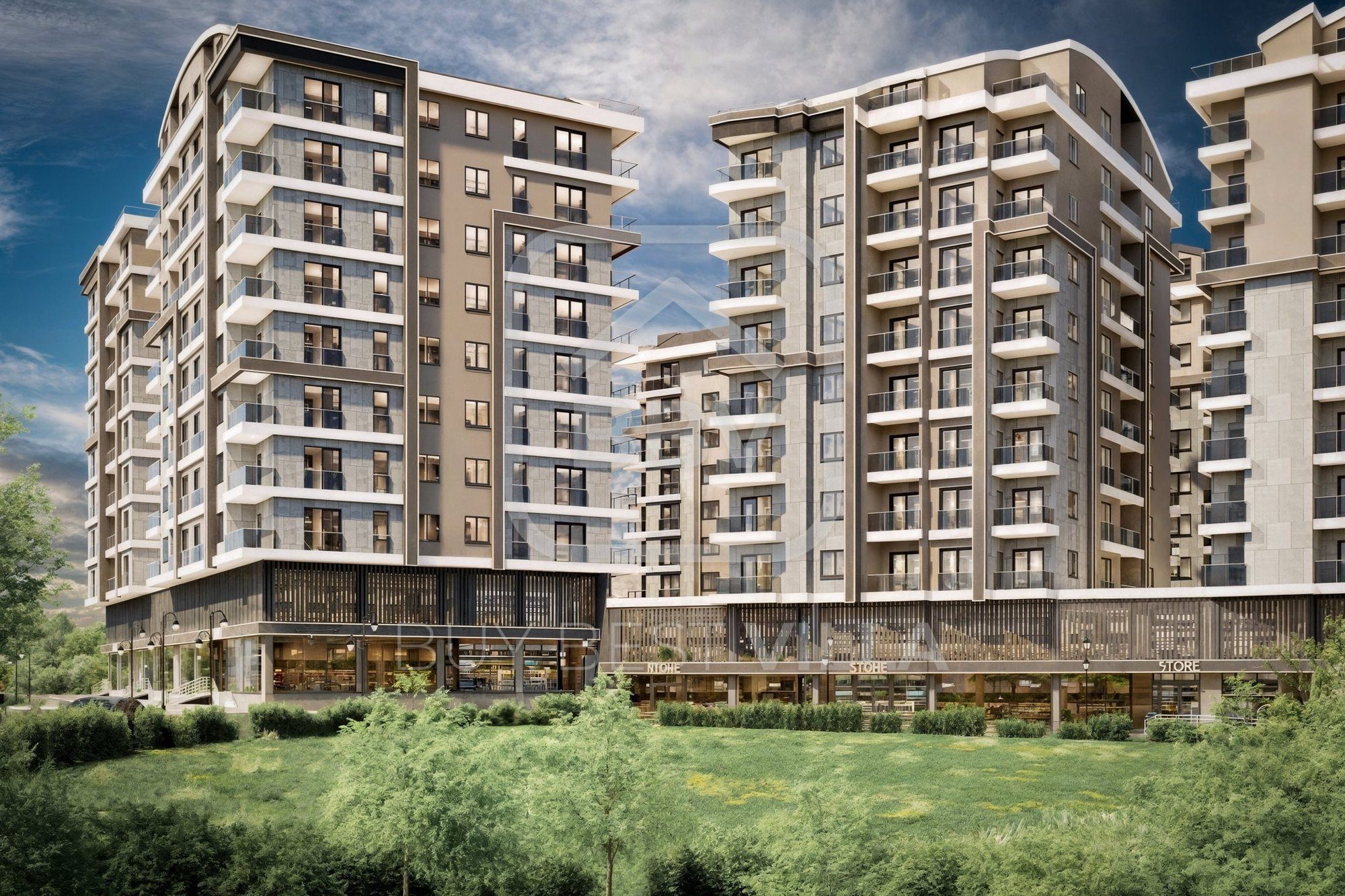
A project's specification sheet is the clearest document you will get about how a building is made. Terms such as "C30/37 concrete", "S420 steel", "pumice walls", "5-chamber PVC" or "VRV air conditioning" tell you how strong the structure is, how well the home is insulated and what it will cost to run. This guide explains what each term means for a buyer, with examples from real project specifications in Antalya.
At a glance
- C30/37: a concrete class with a characteristic compressive strength of 30 MPa on cylinder samples and 37 MPa on cube samples.
- S420 / B420C: ribbed reinforcing steel with a yield strength of 420 MPa; the final "C" marks the highest ductility class.
- Pumice (bims): a lightweight wall block made with pumice aggregate; non-structural, and it helps with thermal insulation.
- 5-chamber PVC and double glazing: five air chambers in the frame profile and an insulating gap between two panes; better heat and sound insulation.
- VRV/VRF: a central air-conditioning system in which one outdoor unit serves many indoor units; with split units, each indoor unit has its own outdoor unit.
- KNX: an open smart-building standard that controls lighting, blinds and climate over a single network.
Why does the specification sheet matter so much?
Sales-office renderings show you what a building will look like; the specification tells you what it will be made of. When you buy off-plan you cannot inspect the building yet, so the specification is one of the most important documents to attach to the sales contract. Having it signed as an annex prevents later arguments along the lines of "that material was never in the contract". We cover the legal side of buying off-plan in a separate guide; here we focus on the technical side.
It helps to read a specification in three parts: the structure (concrete and steel), the envelope (walls, windows, glass) and the services (heating, cooling, electrics and automation).
What does C30/37 concrete mean?
The "C" stands for concrete. The first number is the characteristic compressive strength that standard cylinder samples must reach at 28 days (30 MPa, or 30 N/mm²); the second is the equivalent figure for cube samples of the same concrete (37 MPa). In short, C30/37 is one strength class above C25/30.
The Turkish Building Earthquake Code (TBDY 2018), in force since 1 January 2019, sets C25/30 as the minimum class for cast-in-place reinforced concrete buildings. C30/37 is therefore one class above the legal minimum. The class alone is not the whole story, though: the concrete should come from a ready-mix plant, samples should be taken on site, and the results should be reported by the independent building inspection firm.
What should you ask as a buyer?
- Is the concrete ready-mix, and are the sample test results kept on file?
- Which building inspection firm supervises the project, and can you see its test reports?
- Was a soil survey carried out, and what type of foundation is used?
What is the difference between S420 and B420C steel?
In reinforced concrete, the concrete resists compression and the steel bars resist tension. The 420 in "S420" means the steel has a yield strength of 420 MPa. The current Turkish standard TS 708 calls the same strength class B420C, where the final "C" indicates the highest ductility class. Ductility is the steel's ability to stretch before it breaks, and it is critical for a building to absorb energy during an earthquake. TBDY 2018 essentially requires B420C and B500C ribbed steel in reinforced concrete buildings.
So when a specification says "S420C ribbed steel", it is telling you the reinforcement belongs to this high-ductility class. For a wider view, our earthquake safety guide walks through what to check in a building step by step.
Are pumice walls a good choice?
Pumice block (bims in Turkish) is made from pumice, a light, porous volcanic stone. Türkiye has large pumice reserves, and Isparta, Antalya's neighbouring province, is one of the best-known production centres. In a reinforced concrete frame, the walls carry no structural load; they simply fill the spaces between columns and beams, so lighter walls mean less weight on the structure.
Pumice generally insulates better than ordinary clay brick. Even so, how cool a flat stays in summer depends mainly on the block thickness and on whether the façade has separate external insulation (known locally as mantolama). Ask about both.
What do 5-chamber PVC frames and double glazing do?
The inside of a PVC window profile is divided into separate air chambers. The more chambers, the less heat passes through the frame, so a 5-chamber profile insulates better than a 3-chamber one. The steel reinforcement inside the profile and the quality of the seals matter just as much as the chamber count.
Double glazing is an insulated glass unit with an air- or gas-filled gap between two panes. In Antalya the summer sun matters more than the winter cold, so solar-control or low-emissivity (Low-E) coated glass noticeably reduces the load on the air conditioning, especially on west- and south-facing façades. If the specification simply says "double glazing", it is worth asking which glass is used.
VRV or split air conditioning?
Split units are the most common system: every indoor unit has its own outdoor unit on a balcony or façade. They are easy to install and maintain, and a fault affects only one room, but a façade can end up covered in outdoor units. In a multi-split system, one outdoor unit serves several indoor units.
VRV/VRF (variable refrigerant volume or flow) is a more advanced central system: a single outdoor unit sends each indoor unit exactly as much refrigerant as the room needs. It is quiet and energy-efficient, and every room is controlled independently; on the other hand, it costs more up front and needs specialist servicing. VRV is Daikin's trademark; other manufacturers usually call the same technology VRF.
One more phrase appears often in Turkish specifications: "klima altyapısı", or air-conditioning provision. This is not the air conditioner itself, but the copper piping, condensate drain and power supply laid in advance. You choose and fit the units later, cleanly and without breaking into walls.
Underfloor heating or radiators?
With underfloor heating, water at a low temperature circulates through pipes laid in the screed, and the floor warms the room evenly. It is comfortable, takes up no wall space and works efficiently with a condensing boiler or a heat pump. The downsides are that rooms warm up and cool down slowly, and repairs are harder. Radiators respond quickly, are easy to maintain and cost less. In Antalya's short, mild winter both work well, so the choice is mostly about comfort and budget.
What does a KNX smart home change?
KNX is an international open standard that controls lighting, sockets, blinds, heating, air conditioning and sensors over a single wired network. Being open means products from different brands can work in the same system and you can extend it later. With closed, single-brand systems, spare parts can become hard to find once the manufacturer ends support. If a specification only says "smart home", ask which standard is used and which functions are included.
Examples from real specifications
Put specifications side by side and each project's priorities become clear:
- Meridien Nova, Muratpaşa / Yüksekalan: C30/37 ready-mix concrete, S420C ribbed steel, pumice external walls, 5-chamber PVC frames with double glazing, radiator heating, and air-conditioning provision in the living room and main bedroom; structural works carry a minimum two-year warranty.
- Coordinat 24, Konyaaltı: VRV air conditioning in every room, underfloor heating, a smart-home system, and Rehau or Schüco frames.
- Sirius Manzara, Işıklar: a KNX-based smart home, Daikin multi-split air conditioning, gas-fired underfloor heating, and Schüco frames with automatic shutters.
The contrast is easy to see: Meridien Nova puts a solid structure and envelope first and leaves optional equipment such as the air-conditioning units to the buyer, while Coordinat 24 and Sirius Manzara include premium services as standard. For buyers who want that balance in the city centre, Meridien Nova, with its advantageous payment options, is worth a look; ask us for the current plan.
Frequently asked questions
Is C30/37 concrete enough for an earthquake-resistant building?
C30/37 is one class above C25/30, the minimum required by the code. Earthquake resistance, however, depends on the soil survey, the structural design, correct placement of the reinforcement and independent inspection. The concrete class is only one link in that chain.
Are S420 and B420C the same thing?
In terms of strength, yes: both have a yield strength of 420 MPa. B420C is the name used in the current TS 708 standard, and the final "C" shows that the steel belongs to the high-ductility class.
Does "air-conditioning provision" mean the units will be installed at handover?
No. It means the copper piping, condensate drain and power supply are ready. The indoor and outdoor units are usually bought and fitted by the buyer. Make sure the contract states clearly whether air conditioners are included.
Should the specification be attached to the sales contract?
Yes. When you buy off-plan, a signed specification annexed to the contract is the strongest basis for requiring that your home is delivered with the materials promised.
New-build projects for sale in Antalya
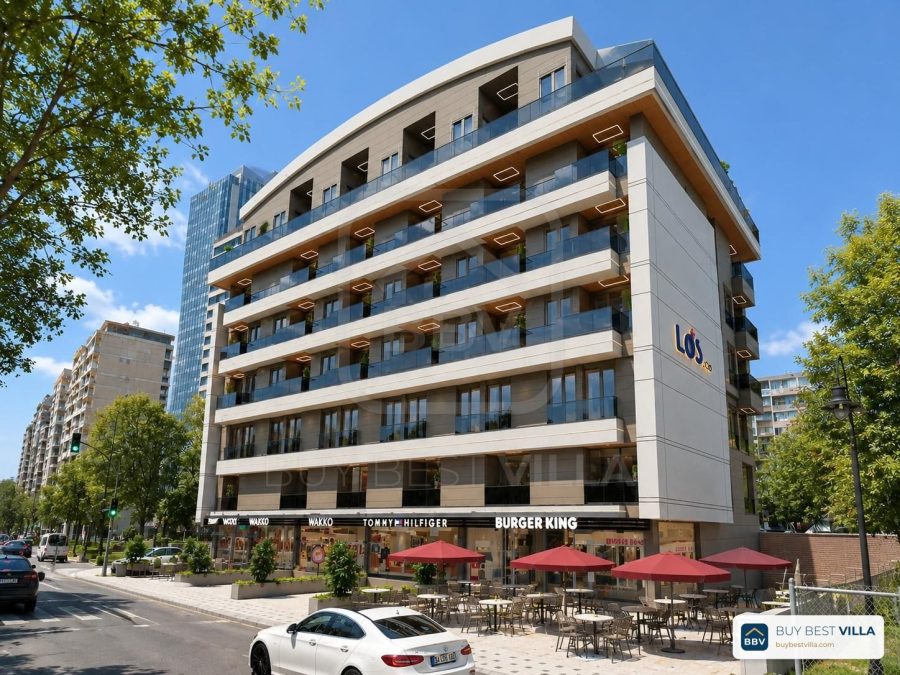
Los Tigres
A boutique development in Sarısu, Konyaaltı, with a pool and covered parking: 1+1 units usable as home or office, plus ground-floor and rooftop duplexes. Delivery August 2027.
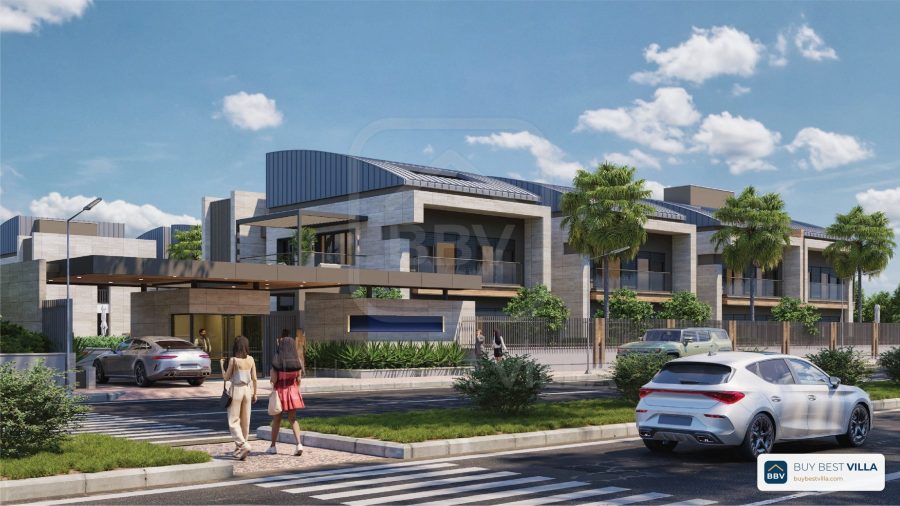
Coordinat 24
A boutique development of 2 blocks and 20 homes in Molla Yusuf, Konyaaltı: 2-bedroom garden flats and 3-bedroom duplexes with pool, gym, sauna and covered parking.
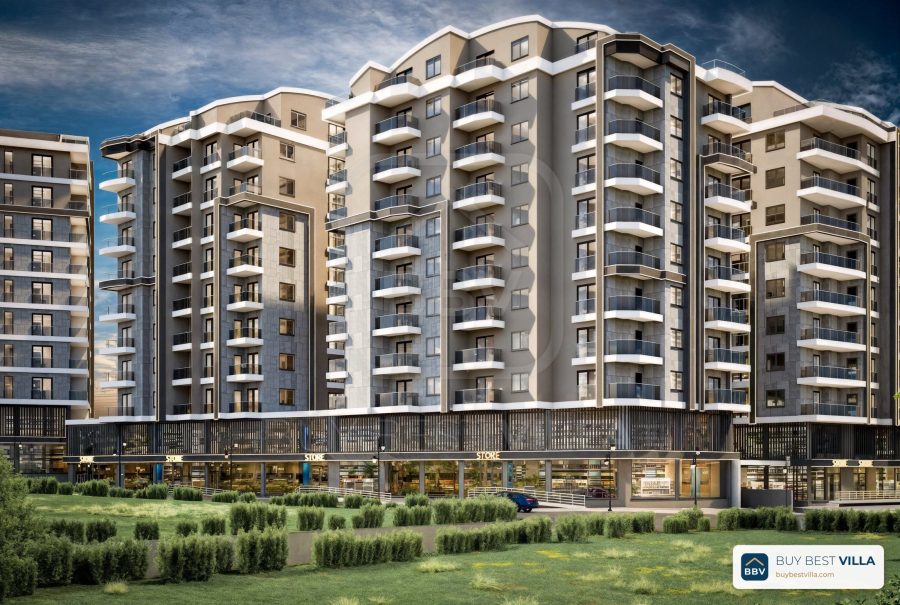
Meridien Nova
A new eight-block residential and office development in Yüksekalan, Muratpaşa, set around a landscaped pool courtyard with covered parking. From 1+1 apartments to 4+2 duplexes.