Turkish Citizenship by Property: 10 Mistakes That Sink Applications
The USD 400,000 rule is only the start. Ten common mistakes, from valuation and DAB errors to the wrong seller, that delay or sink citizenship files in 2026.
Turkish citizenship by property is still available in 2026, and the headline rule has not changed: a qualifying real estate purchase worth at least USD 400,000, held for three years. What has changed is how closely every file is checked. In 2026 the Ministry of Interior announced that the citizenship of 6,134 people, investors and their family members, had been cancelled or withdrawn, mostly over irregular property sales and inflated valuation reports. Most rejected or delayed files do not involve fraud, though. They fail on technical details that were easy to avoid before the deed was signed.
This guide walks through ten of the most common mistakes, what the current rules actually say, and the order in which the process runs. For the wider picture of the programme, see our guide to Turkish citizenship through property in Antalya.
Turkish citizenship by property: the rules in brief
The legal basis is Article 20 of the regulation implementing the Turkish Citizenship Law. The threshold rose from USD 250,000 to USD 400,000 in 2022, and a December 2023 amendment narrowed the types of property that qualify.
| Requirement | What it means in practice |
|---|---|
| Minimum value | USD 400,000 or the equivalent in another foreign currency |
| Qualifying property | A unit with condominium ownership (kat mülkiyeti) or construction servitude (kat irtifakı), or a plot with a building on it |
| Three values | Deed price, valuation report and bank payments must each reach USD 400,000 |
| Currency | Foreign currency sold to a Turkish bank, documented with a foreign currency purchase certificate (döviz alım belgesi, DAB) |
| Holding period | A three-year no-sale annotation on the title deed (tapu) |
| Family | Spouse and the minor or dependent children of the applicant and spouse |
Mistake 1: Watching only the sale price
Many buyers assume that a deed showing USD 400,000 is enough. It is not. The land registry's guidance says the declared sale price, the value in the valuation report and the total of the bank transfers must each, separately, meet the minimum. If the price is USD 410,000 but the valuation comes in at USD 385,000, the property does not qualify on its own, however much you paid.
In practice this means you should not agree a price right at the threshold without some margin, and you should see the valuation before you commit.
Mistake 2: Using the wrong valuation report, or an expired one
Since 2024, valuation reports for citizenship purchases have been prepared by a single state-affiliated company, GEDAŞ Gayrimenkul Değerleme A.Ş., ordered through the land registry's online system (Web Tapu). Before that, any appraiser licensed by the Capital Markets Board (SPK) could do it, and that freedom is what the 2018–2022 inflated-valuation cases exploited. Reports from other firms, or reports not uploaded at the time of the deed or annotation, are not taken into account for citizenship.
Two practical points:
- A report is valid for three months. If the sale slips, you may need a new one.
- The Turkish lira value in the report is converted to dollars at the Central Bank rate from the last business day before the report date. A weaker dollar or a cautious valuation can push a borderline property below the line.
Mistake 3: Paying the wrong way, or at the wrong time
Since January 2022, the foreign currency must be sold to a bank operating in Türkiye, which in turn sells it to the Central Bank. The bank issues the DAB, which must show your name and passport number, the property number, the USD amount and a statement that the transaction is for citizenship. The land registry receives it electronically and draws up the deed on the lira amount shown.
Common errors:
- Missing citizenship wording or property number on the DAB.
- Including VAT, commission, fees or taxes in the converted amount. The DAB should cover the property price only.
- Paying outside the banking system, or into an account with no reasonable link to the seller.
- Timing: transfers made before the DAB is issued should be documented in foreign currency; payments after it in lira. For an off-plan sales promise, the DAB must be dated no later than the contract.
Plan the transfer with the bank before you fly. Our guide to opening a bank account and transferring money covers the practical steps.
Mistake 4: Buying from the wrong seller
The seller matters as much as the property. Under the land registry guidance, a property cannot be used for citizenship if it is:
- Registered to a foreigner, or to your first-degree relatives (by blood or marriage) who are Turkish citizens.
- Transferred by any foreigner to a Turkish citizen or company within the last three years (second-hand properties).
- Previously transferred by you or your first-degree relatives to a Turkish citizen or company.
- Owned by a company in which you or your first-degree relatives are a partner or manager, or by a foreign-capital company covered by Article 36 of the Title Deed Law.
- Registered to someone who became a Turkish citizen by investment.
Buying from a Turkish developer's company is perfectly normal and allowed. Buying from a company linked to you, or from a recent chain of foreign owners, is not. Your lawyer should check the full title history, not just the current owner.
Mistake 5: Buying a property that has already been used
A property can support only one citizenship application, ever. Resale units in popular complexes may already have been used by a previous buyer. The land registry checks this, but you want to know before paying a deposit, not at the certificate stage.
Mistake 6: Choosing the wrong type of property or ownership
Since 12 December 2023, bare land and fields no longer qualify. Timeshares never did. Shared ownership is another trap: if two foreigners buy a unit together in shares, neither can use it. And a mortgage-funded purchase counts only for the part you paid yourself; the loan amount is deducted.
Mistake 7: Mixing purchase routes
You may combine several properties to reach USD 400,000, with no limit on their number. The rules are stricter for off-plan purchases made with a notarised sales promise contract (satış vaadi sözleşmesi):
- The property must already have construction servitude or condominium ownership.
- The full USD 400,000 must be paid up front, by the contract date. Instalments after signing do not count.
- The amount must be reached in a single contract. Several separate promise contracts cannot be stacked.
- A shortfall on completed purchases cannot be topped up with a sales promise.
Read more in our article on buying off-plan in Antalya.
Mistake 8: Putting the deed in the wrong name
The route covers personal purchases by a foreign individual. Property bought in your spouse's name, your child's name or through your company does not count for you. The good news is that one qualifying purchase covers the family: under Article 12 of the Citizenship Law, your foreign spouse and the minor or dependent children of you and your spouse can be included. Adult children who are not dependent must qualify on their own.
Mistake 9: Underestimating the three-year commitment
At the deed, you sign an undertaking not to sell for three years, and an annotation goes onto the title. You can rent the property out. You cannot sell it within the three years: the annotation is lifted early only after an official letter showing your citizenship or application has been cancelled. If you are acting through a representative, the power of attorney must expressly authorise giving this undertaking.
Mistake 10: Ignoring red flags
The 2026 revocations were a reminder that citizenship can be cancelled at any point if it was obtained through false statements or concealed facts, and family members' citizenship falls with the investor's. Reports also indicate that people who lose citizenship are generally required to sell their Turkish property. Be wary of:
- A price well above comparable sales, justified by "the citizenship premium".
- Offers to show a higher price on paper than you really pay, or any part paid in cash.
- A seller who will not let your lawyer see the title history.
- Pressure to sign before the valuation is ready.
The application sequence and typical timelines
- Due diligence and valuation: title and seller checks, GEDAŞ report ordered.
- Payment and DAB: currency sold through a Turkish bank.
- Title deed and annotation: transfer at the land registry with the three-year undertaking. See what to check on a title deed.
- Certificate: the land registry issues the certificate of conformity (uygunluk belgesi), now officially called the real estate investment determination certificate (taşınmaz yatırımı tespit belgesi).
- Residence permit: a short-term permit under Article 31(1)(j) of the Law on Foreigners, which is the basis for the application.
- Citizenship application: with passports, birth and marriage certificates, usually translated and apostilled.
Law firms commonly quote about 3 to 6 months from purchase to passport when documents are in order. Security checks and official workload can make it longer.
Frequently asked questions
Is the minimum still USD 400,000 in 2026?
Yes. The threshold has been USD 400,000 since 2022, and it applies to the deed price, the valuation and the payments separately.
Can I buy two apartments of USD 200,000 each?
Yes, completed purchases can be combined. Off-plan purchases must reach the amount in one fully prepaid sales promise contract.
Can I rent the property out during the three years?
Yes. Renting is allowed. Selling is not, without losing eligibility.
Can I buy from a foreign owner?
No. The property must not be registered to a foreigner, and second-hand property transferred by a foreigner in the last three years is excluded.
Are my children included?
Your spouse and your and your spouse's minor or dependent children can be included. Adult independent children must apply separately.
Rules and fees in Türkiye change from time to time. This article reflects the situation as of September 2026 and is general information, not legal or tax advice. Confirm the details for your own case with a licensed lawyer or accountant.
Planning a citizenship purchase in Antalya? Get in touch to discuss suitable properties and the checks to run first.
New-build projects for sale in Antalya
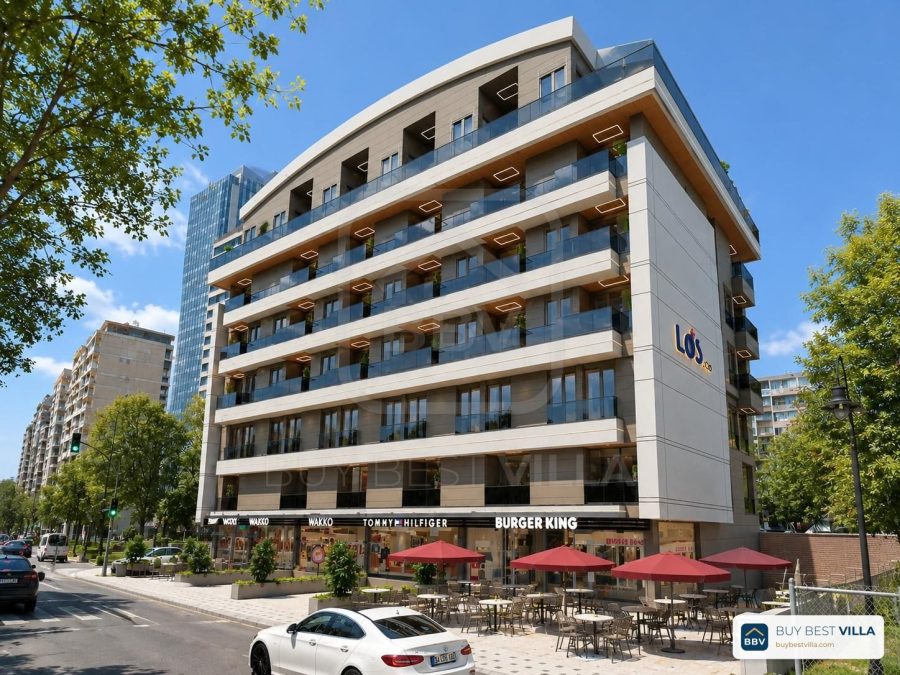
Los Tigres
A boutique development in Sarısu, Konyaaltı, with a pool and covered parking: 1+1 units usable as home or office, plus ground-floor and rooftop duplexes. Delivery August 2027.
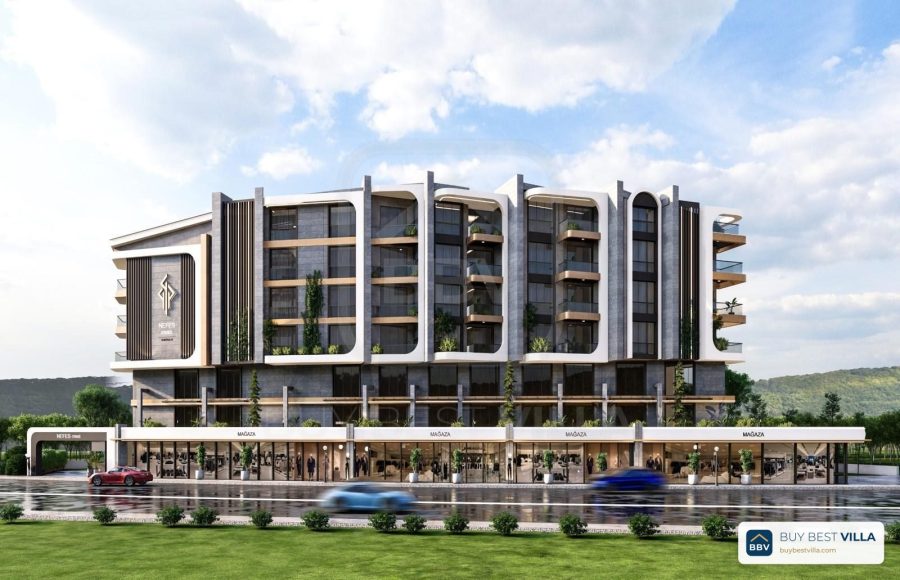
Nefes Corner
A boutique corner-plot project with a pool garden and 44 units: ground + mezzanine duplexes, 1+1 and 2+1 flats and roof duplexes.
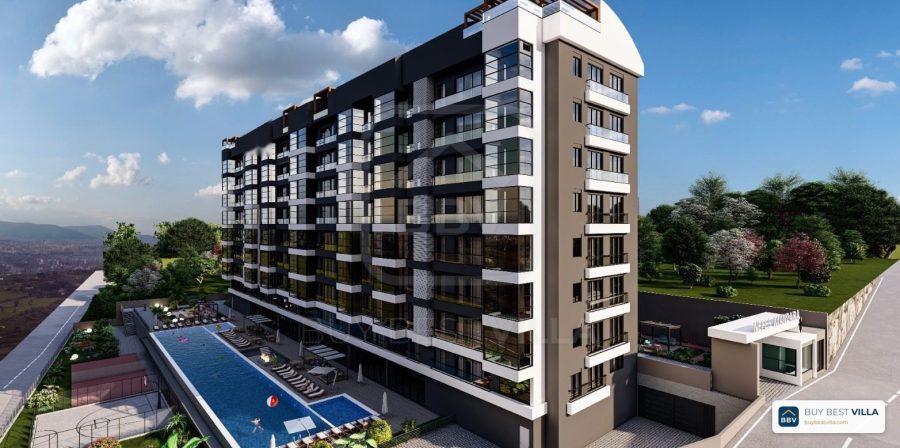
Nefes Premium
A three-block, 56-unit residence in Kepez with a 350 m² pool, tennis court, jogging track, garden duplexes and penthouse duplexes with private pools. From 2+1 to 4+1.