Understanding the Turkish Title Deed (Tapu): Types and What to Check
Condominium title, construction servitude, shared title: what a Turkish title deed shows, the main types and the checks to make before you buy.
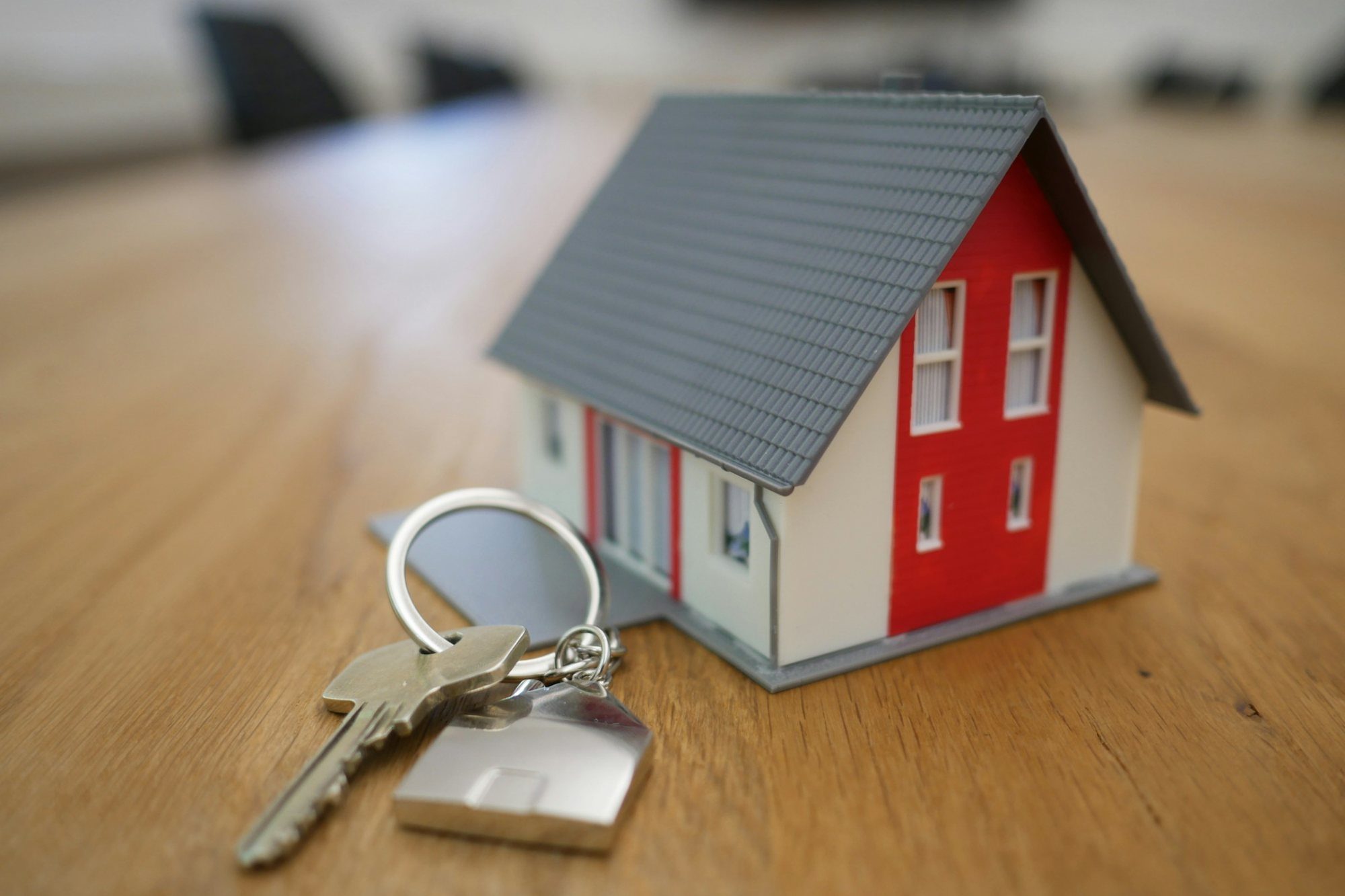
The title deed (tapu) is the single most important document in any Turkish property purchase. It proves who owns the property, what exactly is owned and whether anything is registered against it. Understanding it takes the guesswork out of a purchase.
What the title deed shows
- Location: province, district, neighbourhood, and the block (ada) and parcel (parsel) numbers.
- Description (nitelik): for example land, a building on land, or an apartment in a building.
- Owner or owners, and each owner's share.
- For an apartment, the unit number, floor and its share of the land.
The main types you will meet
Full condominium title (kat mülkiyeti)
This is what you want for a finished apartment or villa in a development. It is issued once the building is completed and has its habitation certificate (iskan). It gives you ownership of your unit plus a share of the land and common areas.
Construction servitude (kat irtifakı)
This is registered while a building is planned or under construction, or when a completed building has not yet obtained its habitation certificate. It is normal for off-plan purchases, but for a finished property ask why it has not been converted to full condominium title.
Shared title (hisseli tapu)
The land is owned in shares by several people, without dividing it into defined units. Shared titles are common for plots and some older houses. They can make selling, building and borrowing harder, so take legal advice before buying one.
Land title (arsa or tarla)
A plot or agricultural land. What can be built depends on the zoning (imar) status, which you check separately at the municipality.
Annotations: the part people miss
Every deed record has sections for mortgages (ipotek), seizures or court notes (haciz, şerh) and declarations (beyan). Before paying anything beyond a deposit, your lawyer should obtain the current record from the land registry and confirm there are no restrictions that would stop or complicate the sale.
Useful checks you can do yourself
- Parcel search. The land registry's online parcel search shows where a block and parcel sit on the map, which helps confirm the location matches what you were shown.
- Compare the details. The size, floor and unit number on the deed should match the property you viewed and the sales contract.
- Habitation certificate. Ask for it directly. Its absence can affect utilities, residence permit applications and resale.
After the purchase
At the transfer, a new title deed is issued in your name. Keep it safe, but remember the official record is held electronically by the land registry. You can view your properties through Türkiye's e-government system once you have access.
Rules and fees in Türkiye change from time to time. This article reflects the situation as of September 2026 and is general information, not legal or tax advice. Confirm the details for your own case with a licensed lawyer or accountant.
Read our step-by-step buying guide for the whole process, or send me a message if you would like help checking a property.
New-build projects for sale in Antalya
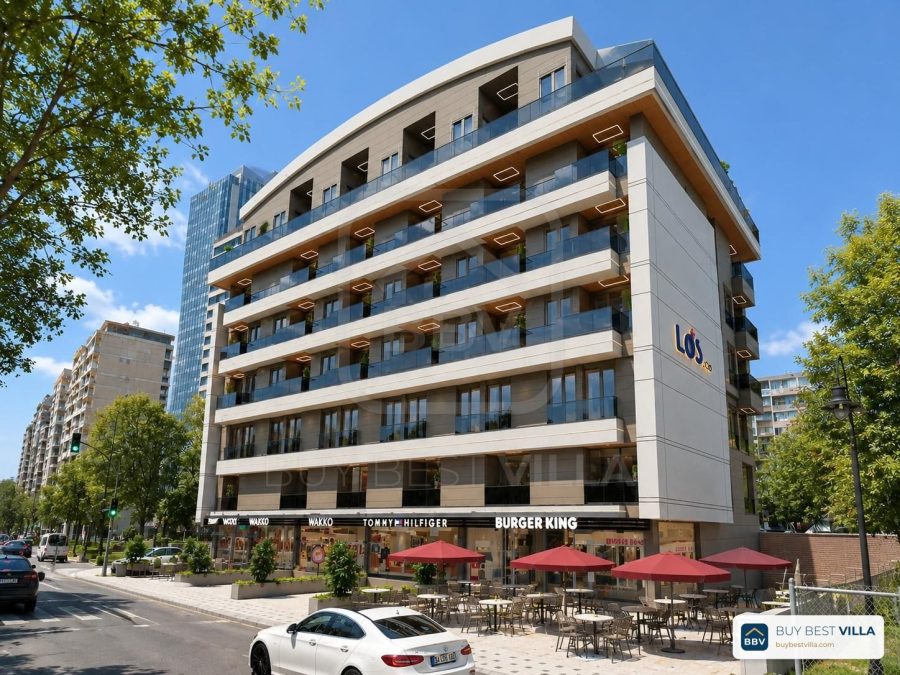
Los Tigres
A boutique development in Sarısu, Konyaaltı, with a pool and covered parking: 1+1 units usable as home or office, plus ground-floor and rooftop duplexes. Delivery August 2027.
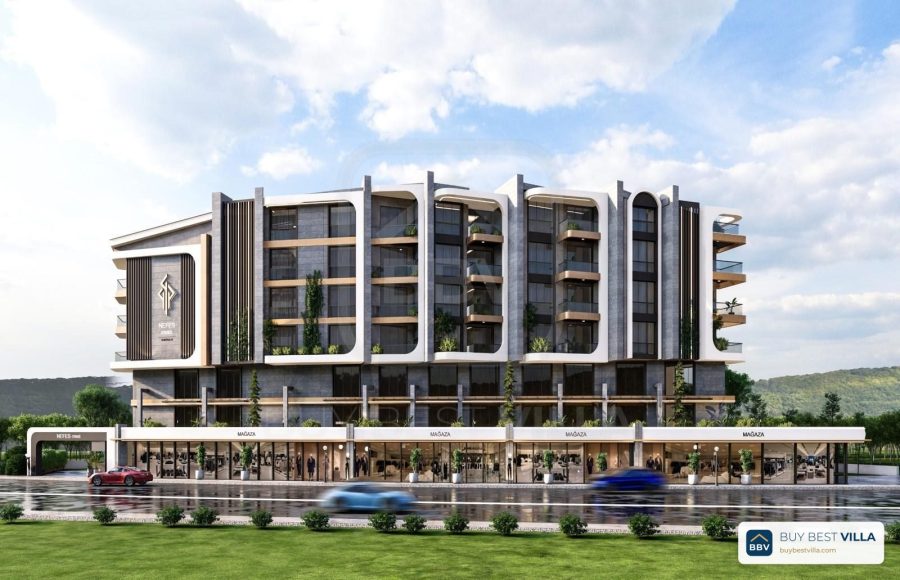
Nefes Corner
A boutique corner-plot project with a pool garden and 44 units: ground + mezzanine duplexes, 1+1 and 2+1 flats and roof duplexes.
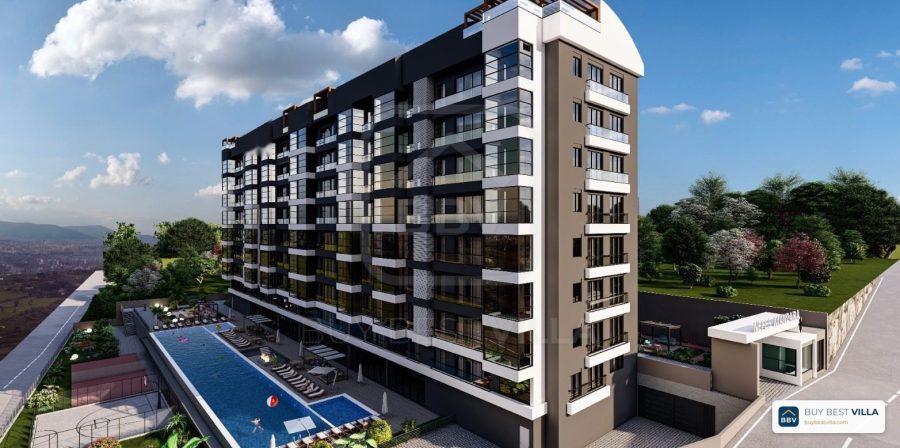
Nefes Premium
A three-block, 56-unit residence in Kepez with a 350 m² pool, tennis court, jogging track, garden duplexes and penthouse duplexes with private pools. From 2+1 to 4+1.