Aidat Explained: How Site Fees Work in Turkish Apartment Complexes
What aidat pays for, how pools, security and generators drive it, what Turkish law says, and the 2026 budget rule change.
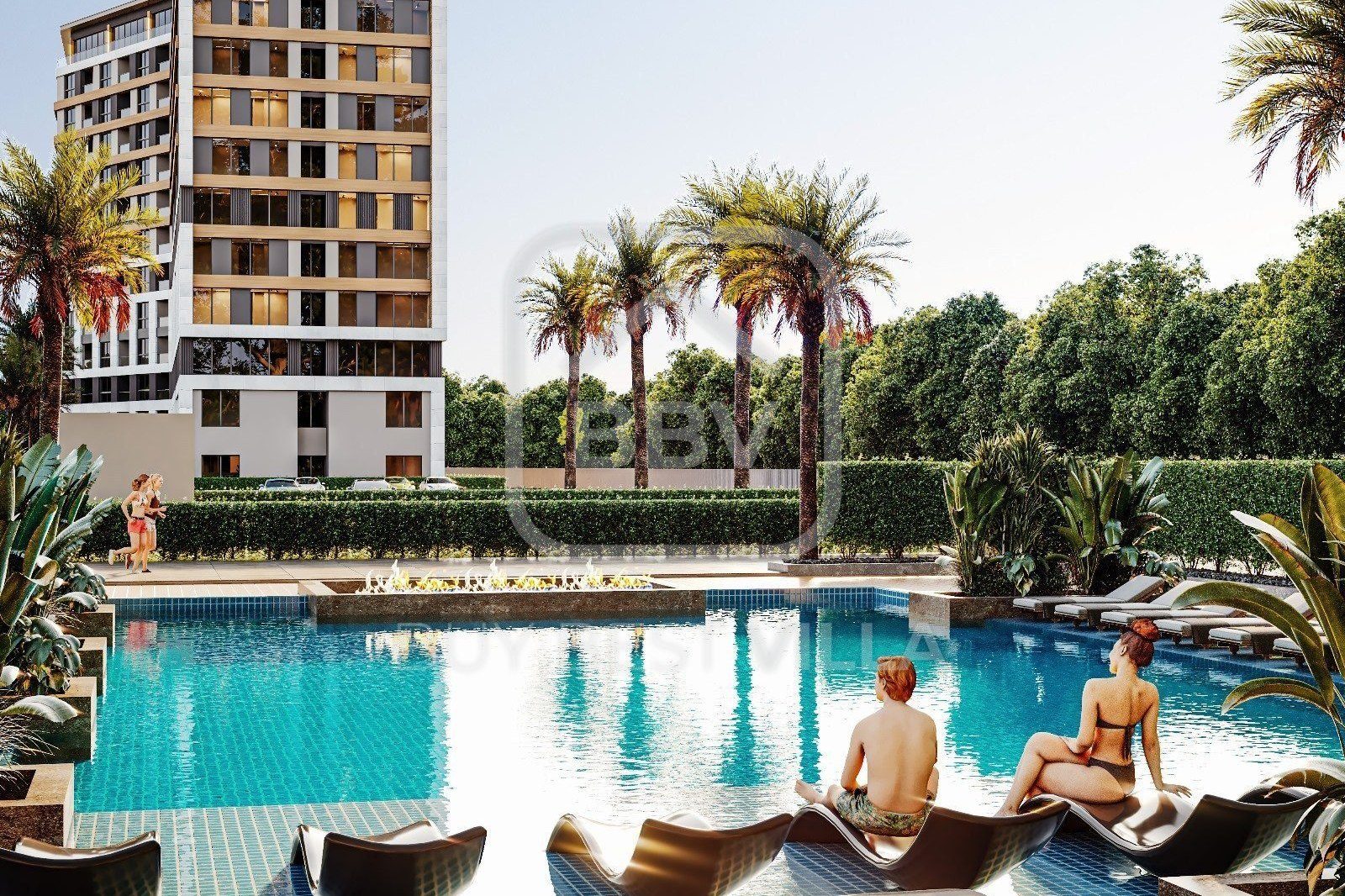
Aidat is the regular payment each owner in a Turkish apartment building or complex (site) makes as their share of the common expenses. The amount is set by the operating budget (işletme projesi) prepared under Condominium Law No. 634, which since 2026 must be approved by the owners' assembly. The more facilities a complex has, such as a pool, gardens, security and a generator, the higher the aidat tends to be; the real question is how many homes share those costs and how well they are managed.
At a glance
- Legal basis: Condominium Law No. 634 (Kat Mülkiyeti Kanunu) and the building's management plan (yönetim planı).
- Who sets it: the manager prepares the operating budget; the owners' assembly (kat malikleri kurulu) approves it.
- How it is split: as a rule, staff costs such as the caretaker, gardener and guard are shared equally, while maintenance, repairs and insurance are shared in proportion to each unit's land share (arsa payı). The management plan can set a different split.
- If unpaid: a late-payment charge of 5% per month and enforcement proceedings.
- 2026 change: Law No. 7579 made approval of the operating budget by the owners' assembly mandatory.
What does aidat pay for?
Aidat is the total of all regular spending on running a building's or complex's common areas, divided among the owners. Typical items are:
- Staff: security guards, cleaners, a gardener, a pool attendant, a site manager or caretaker. In most complexes this is the largest item.
- Common-area energy: lifts, stairwell and garden lighting, water-pressure and pool pumps, car-park ventilation.
- Water: garden irrigation and pool water.
- Maintenance contracts: lift servicing and the annual periodic inspection, generator servicing, fire systems, cameras and card-access systems.
- Running the pool: chemicals, filter and pump maintenance, cleaning, and heating for indoor pools.
- Insurance and management: insurance of the common areas, the fee of a professional management company if there is one, and accounting.
- Reserve fund: savings for roof, façade or major equipment renewal. Not every complex has one, but it is a healthy sign.
To see where aidat fits among the yearly costs of owning a home, read our post on the real costs of owning a home in Antalya each year.
Pool, gardens, security and generator: what drives the cost?
Security
Round-the-clock security means several shifts even for a single gatehouse, in other words a team of several people. The more entrances, the bigger the team. That is why security is one of the items with the greatest effect on aidat.
The pool
The cost of an outdoor pool is largely seasonal: chemicals, electricity and cleaning peak in summer. Indoor, heated pools use energy all year round and, together with a sauna and hamam, add up to a significant fixed cost.
Gardens and landscaping
In Antalya's long, dry summer, landscaping needs regular watering and care. An automatic irrigation system reduces labour, but water and maintenance costs remain.
The generator
A full-capacity generator keeps lifts, pumps and flats running during power cuts. Its cost is made up of fuel, periodic servicing and test runs, and it varies with how often the power goes off.
How is aidat set, and what does the law say?
The legal framework is Condominium Law No. 634. The key rules are:
- The owners' assembly is made up of all owners and meets at the times set in the management plan, at least once a year.
- A manager is compulsory in buildings with eight or more independent units. The manager can be one of the owners or an outsider, such as a professional management company.
- The operating budget sets out the expected income and expenses for a year and each owner's advance payment.
- How costs are shared: unless agreed otherwise, the costs of the caretaker, boiler operator, gardener and guard are shared equally, while the maintenance, repair and insurance of common areas are shared in proportion to land share. An owner cannot avoid contributing by saying they do not use, or do not need, a shared facility.
What changed in 2026?
Law No. 7579, in force since 22 May 2026, changed the operating-budget process. Previously, a budget prepared by the manager became final if no owner objected within seven days of being notified. Under the new system, the operating budget is approved by the owners' assembly. If there is no approved budget, the manager prepares a temporary one and must put it to the assembly for approval within three months at the latest. Increases in a temporary budget are capped at the revaluation rate announced each year by the Ministry of Treasury and Finance. The same law lowered the majority needed to change the management plan of multi-parcel developments (toplu yapı) from four-fifths to two-thirds.
If you disagree with an assembly decision, you can file for its annulment at the civil court of peace within one month: from the decision date if you attended and voted against, or from the date you learned of it if you did not attend (and in any case within six months).
What happens if aidat is not paid?
Unpaid aidat attracts a late-payment charge of 5% for each month of delay. An operating budget approved by the assembly counts as a document for enforcement proceedings, so the management can pursue the debt through the enforcement office. If the flat is let, the tenant is also liable for the aidat debt together with the owner, but only up to the amount of rent they owe.
Big facilities, big aidat?
Not always. What matters is how many units share the cost of the facilities and which services are included in the aidat. Three different examples show the balance well:
- A mid-sized city complex: Meridien Nova in Yüksekalan consists of 8 blocks around a landscaped pool courtyard with automatic irrigation and covered parking. The pool and garden costs are shared across the 8 blocks; ask us for a current aidat estimate.
- A large project with extensive facilities: Skyport Residence in Altınova has 250 one-bedroom flats and 22 duplexes, with indoor and outdoor pools, a gym, sauna, hamam, meeting room and reception. Items such as an indoor pool and reception create fixed costs, but sharing them among hundreds of units keeps the burden per flat in balance, and the solar energy system that supplies part of the common areas can help with the electricity bill.
- A hotel-concept complex: Sirius Town in Kundu offers hotel-style facilities such as an aquapark, spa, lobby service, a hairdresser and room cleaning. With projects like this, the first question to ask is which of these services are included in the aidat and which are charged separately when used.
Red flags: what to watch for
- No approved operating budget, and no income and expense statements shared. Transparent management presents its accounts to owners regularly.
- Suspiciously low aidat for the facilities offered. This usually means a sharp increase or cuts in service later on.
- High accumulated arrears. If some owners do not pay, the burden falls on those who do.
- No reserve fund at all. When a major repair comes, an extra collection will be needed.
- A pool, lift or generator with no maintenance contract. Check the lifts' annual periodic inspection label.
- Long, vaguely worded management contracts. Ask what the management company charges and how the contract can be terminated.
- A mismatch between the brochure and the aidat. Ask in writing which of the facilities described at the sales stage are covered by the aidat.
What should you ask for before buying?
Before buying, ask the management for the last twelve months' income and expense statement, the current operating budget, the management plan and a letter confirming the flat has no outstanding aidat. Ask whether any major repairs are planned and request the minutes of the last assembly meeting. In a new project, find out how management will be set up after handover and who will prepare the first operating budget. The aidat for unsold units is owed by the owner of those units.
Frequently asked questions
Who sets the aidat?
Aidat is set by the operating budget prepared by the manager and approved by the owners' assembly. Since 2026, if there is no approved budget, the manager applies a temporary one and must put it to the assembly for approval within three months.
I never use the pool. Do I still have to pay?
Yes. Under the Condominium Law, an owner cannot avoid contributing to common expenses by claiming that they do not use, or do not need, a shared facility.
Who pays the aidat on a rented flat?
In practice the regular aidat is usually paid by the tenant, but this should be stated clearly in the tenancy agreement. By law, the tenant is liable for the aidat debt together with the owner, up to the amount of rent they owe.
What happens if aidat is not paid?
A late-payment charge of 5% per month accrues, and the management can start enforcement proceedings on the basis of the approved operating budget. Long-standing arrears also cause problems when the flat is sold.
Are there different rules for foreign owners?
No. The Condominium Law applies in the same way to every owner regardless of nationality. Owners living abroad should give the management up-to-date contact details so they do not miss meeting notices and statements.
New-build projects for sale in Antalya
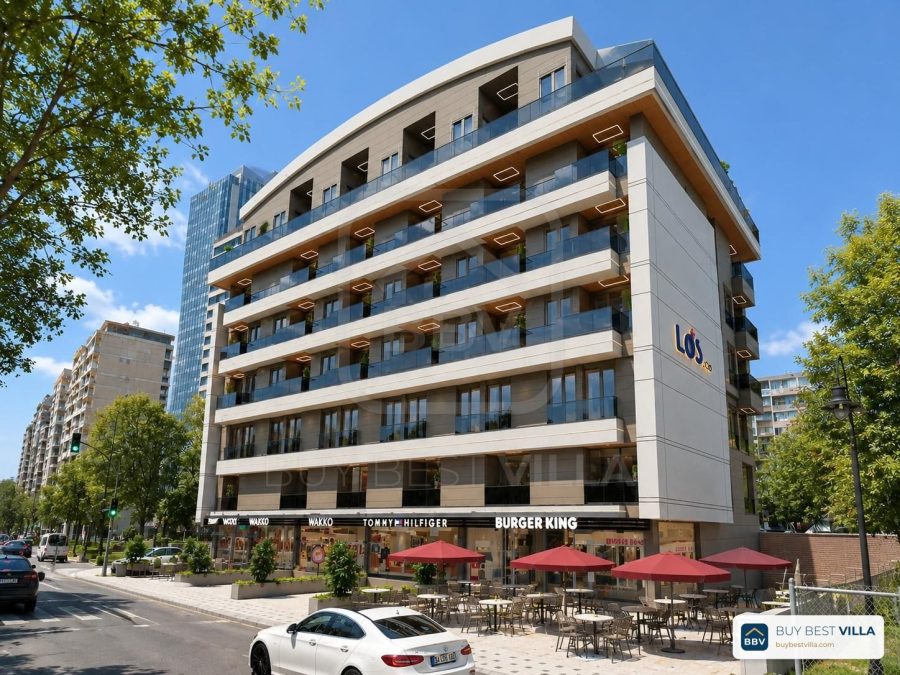
Los Tigres
A boutique development in Sarısu, Konyaaltı, with a pool and covered parking: 1+1 units usable as home or office, plus ground-floor and rooftop duplexes. Delivery August 2027.
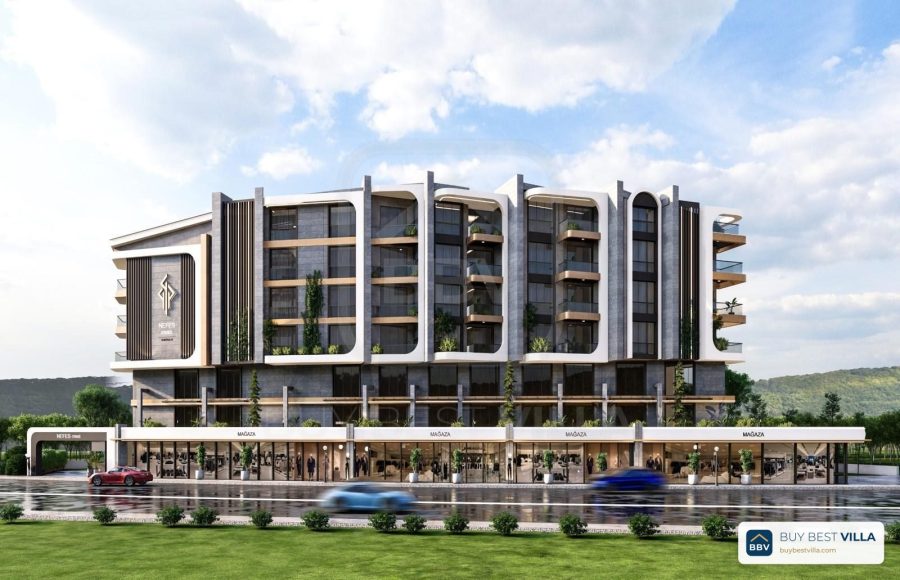
Nefes Corner
A boutique corner-plot project with a pool garden and 44 units: ground + mezzanine duplexes, 1+1 and 2+1 flats and roof duplexes.
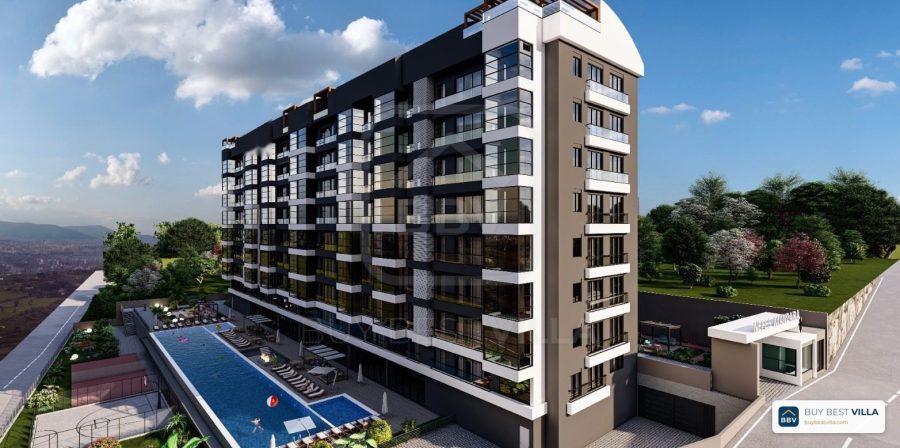
Nefes Premium
A three-block, 56-unit residence in Kepez with a 350 m² pool, tennis court, jogging track, garden duplexes and penthouse duplexes with private pools. From 2+1 to 4+1.