Antalya After COP31: Investment Potential by Region
The summit ends, but the infrastructure remains: new roads, the refurbished EXPO site and the city’s international connections. We have summarised the areas affected by COP31 and the indicators to watch for Aksu, Belek, Lara, Kaleiçi and Konyaaltı.
The summit ends, but the infrastructure remains. COP31 may leave behind more than just a week’s worth of news: new roads, a revitalised EXPO site and the city’s international connections. In this article, we explain how COP31 has impacted which areas of Antalya and what investors should be looking out for. For details on the summit’s dates and programme, please see our COP31 Antalya Guide.
Updated: 26 October 2026
What remains in the city once the summit is over?
- New roads. Roadworks covering approximately 38 kilometres – including the Belek Tourism Road (4 main arteries and 12 hotel access roads) – have been completed. These roads were built for the summit, but they also improve day-to-day use and access between the airport and hotel areas.
- The refurbished EXPO site. An area of approximately 1 million square metres has been redeveloped. Minister Murat Kurum stated that the facility, which has approximately 160,000 square metres of indoor space, will be utilised in a way that contributes to employment and production following the summit; Antalya Governor Hulusi Şahin also noted that the site will serve as an exhibition centre. Kurum also reported that over 35,000 square metres of permanent structures have been built in the Blue Zone alone.
- Organisational experience. Antalya has already hosted the 2015 G20 Summit and EXPO 2016. COP31 builds on this experience on a much larger scale.
- Accommodation capacity. The city has 2,709 licensed establishments and 619,644 beds; this capacity is also utilised by conference tourism at the end of the season: the International Astronautics Congress took place in October, and the Asian Seed Congress is scheduled for 1–5 December.
Examples: cities following climate summits
According to Ali Çandır, President of the Antalya Chamber of Commerce and Industry, Dubai transformed the Expo City infrastructure into a lasting asset following COP28, whilst Baku enhanced its international visibility through COP29. Çandır also emphasises that the real success for Antalya lies in the permanent establishment of an approach that prioritises the city’s environmental values following the summit. In other words, the summit’s investment value is measured not by a single week, but by how it is managed afterwards.
Region by region: where will COP31 have an impact?
The following summary is not a price forecast; it outlines each region’s connection to COP31 and the key areas to watch.
Aksu and the EXPO area
- Connection to COP31: Summit venue; proximity to AntRay and the airport; plans for a permanent exhibition and conference centre.
- Type of investment: Residential properties and flats close to demand for events and business travel.
- Key indicator to monitor: The EXPO’s post-summit events calendar and new transport investments.
- Read more: The impact of the airport expansion on Altınova and Aksu, Kepez or Aksu?
Belek (Serik)
- COP31 link: Belek Tourism Route; five-star hotels in Belek and Kundu will host high-level delegations.
- Type of investment: Second homes and villas in the resort and golf areas.
- Key indicators to watch: Extended season, demand for conferences and golf.
- Read more: Belek and Serik: buying a home in the golf region
Lara and Kundu
- COP31 link: Hotel belt; a hotel operator in Lara stated that occupancy rates reached 70 per cent during the COP31 period.
- Investment type: Residences, investment flats, medium-term lettings.
- Key indicators to monitor: Rental demand, occupancy rates, airport passenger numbers.
- Read more: Lara or Konyaaltı?, Kundu and the Aksu coast
Kaleiçi and the city centre
- COP31 connection: Occupancy rates have reached 100 per cent in some boutique hotels and guesthouses.
- Type of investment: Boutique accommodation and commercial units; planning and intended use must be examined separately due to conservation regulations.
- Key indicator: Boutique hotel occupancy rates and tourist footfall.
Konyaaltı
- COP31 link: Booking flows for city-centre hotels continue during the COP31 period (ANTOB).
- Investment type: Seaside residences, long-term lettings.
- Key indicators to monitor: Number of new projects, balance between rent and demand.
- Read more: Living in Konyaaltı: a neighbourhood guide for buyers
Your investment objective determines which area is right for you.
A 6-step investor checklist
- Clarify your objective: owner-occupation, rental income, capital appreciation or resale to a foreign buyer.
- Check transport links: distance from the airport, AntRay and major roads.
- Monitor official data: TÜİK’s monthly figures on residential property sales to foreigners, DHMİ’s airport passenger figures.
- Verify the legal status: title deed, planning status, occupancy permit and flat ownership (see What is an occupancy permit?).
- Check the energy performance: COP31 and the green transition: energy-efficient homes.
- Determine your exit strategy: for letting, see Rental yields and 12-month demand in Antalya, for foreign buyers: interest from foreign buyers due to the COP31 effect.
A balanced view: what’s on the table today?
According to a TÜİK compilation featured in the local press, 6,704 homes were sold in Antalya in September 2026; which represents an increase of approximately 14.5 per cent compared to the 5,855 sold in August. According to data compiled by a private data platform, approximately 664 homes were sold to foreign buyers in the same month; this accounts for approximately 9.9 per cent of residential property sales in Antalya, and Antalya ranks second only to Istanbul amongst the provinces where foreign buyers purchase the most properties. This figure for foreign sales at provincial level is not an official TÜİK table; we recommend comparing it with official data for a definitive assessment.
In contrast, passenger numbers at Antalya Airport for January–September are below last year’s figures, and the question of how the EXPO site will be used following the summit has been raised in the Turkish Grand National Assembly (TBMM). It therefore makes sense to assess the impact of COP31 not during the summit week, but using data from the following 6–12 months.
Frequently Asked Questions
What will happen to the EXPO site after COP31? Officials have stated that the site will be used as a permanent exhibition, conference and events centre. Only time will tell how many events this plan will attract.
Which area will be most affected by COP31? There is no definitive ranking. The summit venue is in Aksu, the hotels where high-level delegations will stay are in Belek and Kundu, whilst city-centre accommodation is concentrated in Kaleiçi, Lara and Konyaaltı. Each area caters to a different investment profile.
This content is for informational purposes only; it does not constitute investment or legal advice. Figures are based on published sources as at 26 October 2026 and are subject to change.
Sources
- Timeturk – 19.2 billion lira investment in Antalya’s tourism sector (5 September 2026)
- Borsagündem – Minister Kurum: ‘We will showcase Antalya to the world at the COP31 summit’
- Haber Meydan – What will COP31 bring to Antalya? (Permanent structures in the Blue Zone)
- Hürriyet Daily News – COP31 and the roads to Belek
- Ekonomi Gazetesi – Antalya aims to benefit from climate funds (Ali Çandır)
- Ekonomi Gazetesi – COP31 Antalya to be Turkey’s largest exhibition venue (Governor Şahin)
- Türkgün – Hotels fully booked for COP31 (Belek and Kundu)
- Milliyet – Three major summits have filled Antalya’s hotels
- Milliyet Uzmanpara – Major summit in Antalya leaves hotels fully booked (Kaleiçi and Lara)
- Wikipedia – Antalya (G20 2015, EXPO 2016, AntRay)
- Turkish Grand National Assembly – Written question regarding the post-COP31 use of the EXPO Antalya site
- Antalya Ekspres – Property sales in Antalya rose by 14.5 per cent in one month
- Antalya Körfez Gazetesi – September property sales in Antalya
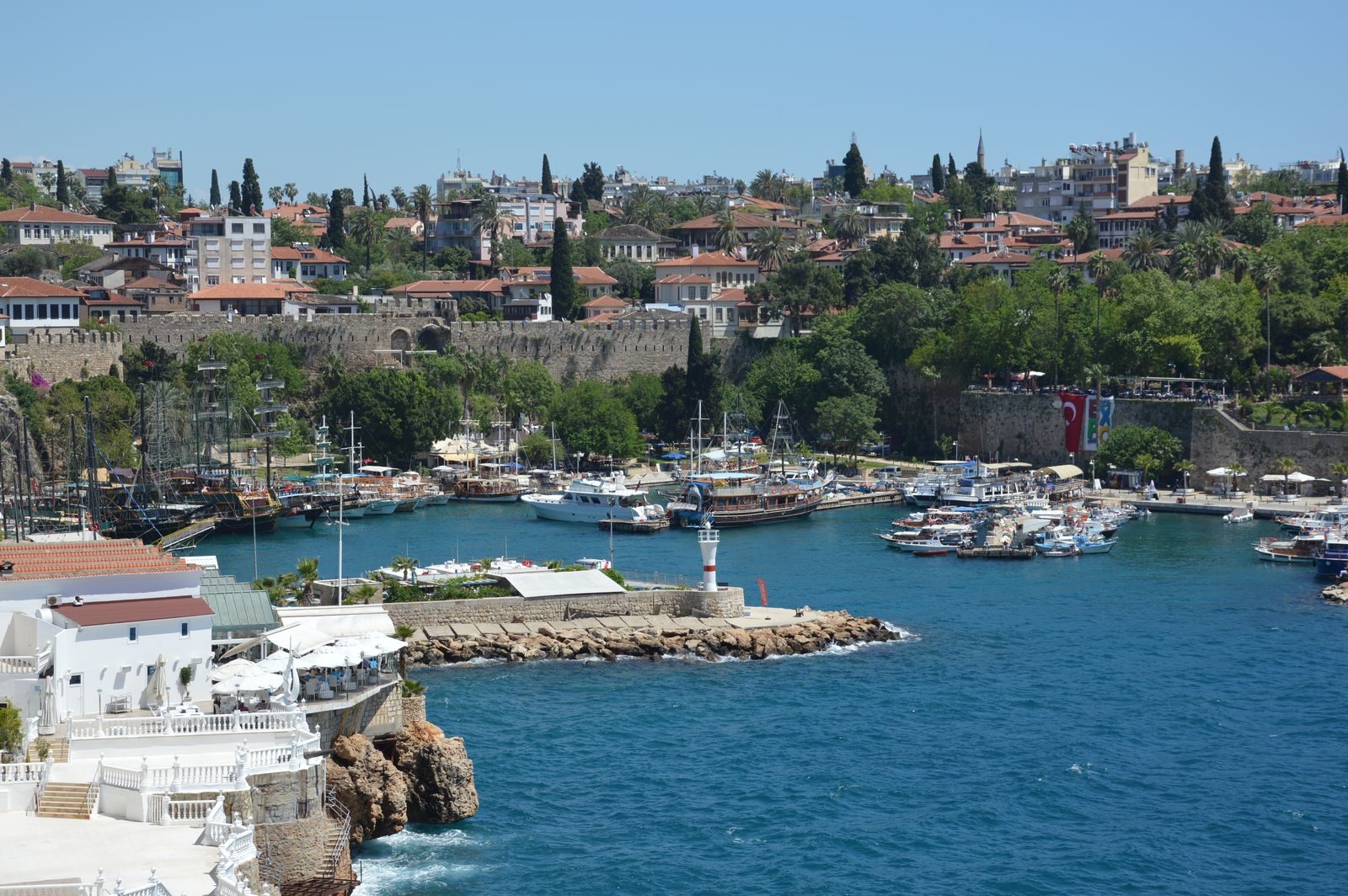
Cover photo: Kemal Sait Kaplan, Pexels (Pexels Licence). A general view showing the port of Antalya and the historic Kaleiçi district.
New-build projects for sale in Antalya
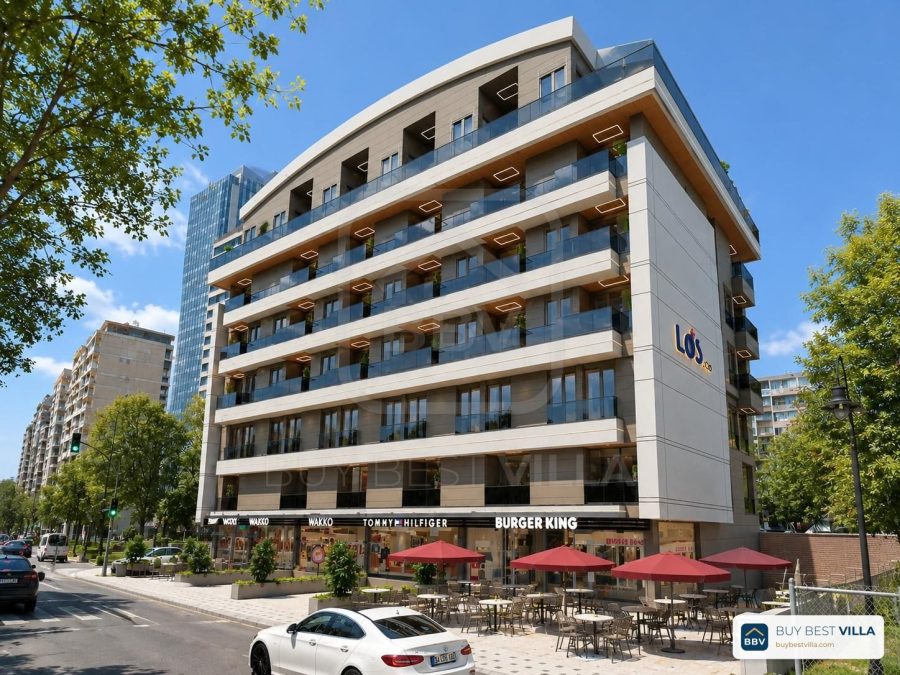
Los Tigres
A boutique development in Sarısu, Konyaaltı, with a pool and covered parking: 1+1 units usable as home or office, plus ground-floor and rooftop duplexes. Delivery August 2027.
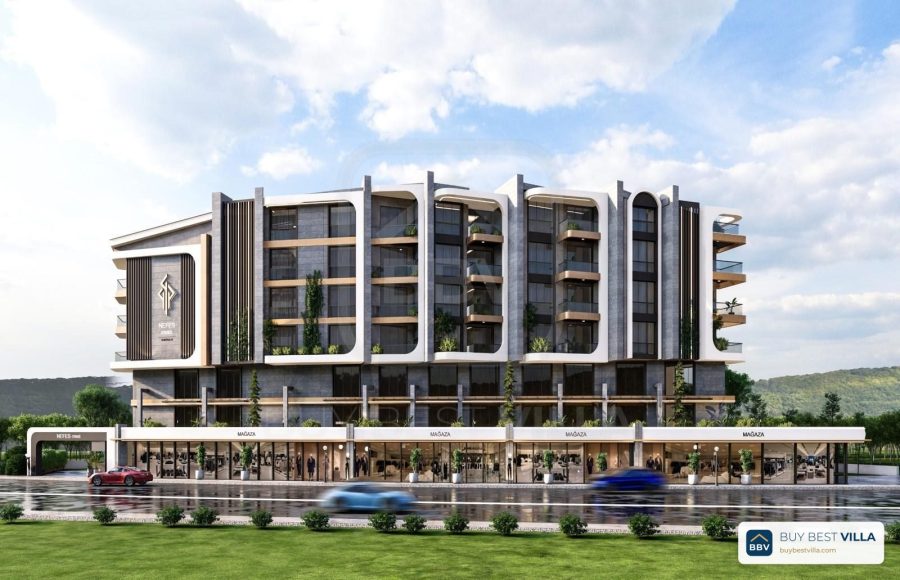
Nefes Corner
A boutique corner-plot project with a pool garden and 44 units: ground + mezzanine duplexes, 1+1 and 2+1 flats and roof duplexes.
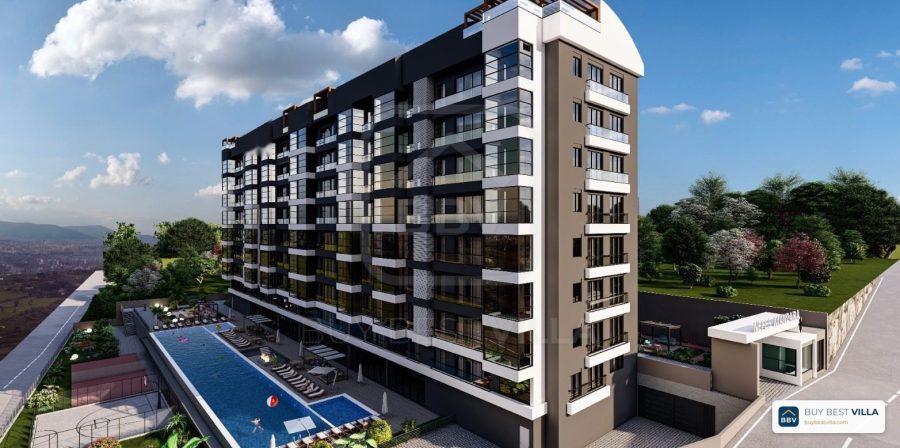
Nefes Premium
A three-block, 56-unit residence in Kepez with a 350 m² pool, tennis court, jogging track, garden duplexes and penthouse duplexes with private pools. From 2+1 to 4+1.