How to check title deed information (TAKBİS) through e-Devlet in Türkiye
You can check land registry information through e-Devlet, the TKGM Parcel Query site and the TKGM mobile app. Here is what each route is for and what to watch out for.
Before you buy, sell or inherit a property, one of the first questions is simple: what does the title deed record actually say? The good news is that you no longer have to visit the land registry office for every enquiry. Several official channels run on the Land Registry and Cadastre Information System, known as TAKBİS. This guide explains what each channel does, what you can see, and what a buyer should do after the search.
What is TAKBİS and why does it matter?
TAKBİS is the electronic system run by the General Directorate of Land Registry and Cadastre (TKGM), where land registry and cadastral records are kept. The e-Devlet title deed service works for people who are registered in this system. So what you see on screen comes from the same source as the record at the land registry office. That makes it a far more reliable starting point than a "title status" note in a listing or what a seller tells you.
Route 1: "Title Deed Information Query" on e-Devlet
This is the most practical route. In short:
- Log in to the e-Devlet portal with your Turkish ID number and password. If you do not have a password, you can collect one from a PTT branch with your ID.
- Type "Tapu Bilgileri Sorgulama" in the search bar and open the service.
- The properties registered in your name are listed. If there are none, the system tells you so.
One key point: this service is mainly meant for people to see the property registered in their own name. You cannot look up a seller's flat from your own account; the seller can run the query and show you. Some institutions also ask for a screenshot of this page as proof of owning or not owning property. If that applies to you, make sure the whole page is visible, including the total number of properties, and check the validity period the requesting institution sets.
Route 2: TKGM Parcel Query (by block and parcel)
If you want to see where a property is and basic parcel data, use the TKGM Parcel Query site:
- Select the province, district and neighbourhood.
- Enter the block (ada) and parcel (parsel) numbers and run the query.
- The map shows the location and boundaries of the parcel and basic record details.
You can get the block and parcel numbers from the seller, a copy of the deed or the listing. This tool is especially useful for plots and villas, to answer the question "is the place described in the listing really this one?". But seeing a parcel on a map does not mean its legal status is clean; more on that below.
Route 3: the TKGM mobile app
TKGM's mobile app lets you run some of the website queries from your phone. Guides describe functions such as block-parcel queries, application tracking and location-based parcel viewing, and the app is free to download. It is handy when you are standing on a plot and want to check the parcel. Screens and menus can change over time, so confirm the current layout inside the app.
Route 4: tracking a land registry application
If you have applied to a land registry office for a transaction, you can follow its progress on TKGM's application query screen. This is not a record search but a way to track a request. It is useful when you are waiting after a sale and wondering when the registration will be complete.
What you do not see here: encumbrances
Many people finish the search and think everything is fine. Yet whether a property has a mortgage, an attachment, an annotation or a declaration on the deed is the most critical point for a buyer. In Turkish law these entries are called "takyidat" (encumbrances). A mortgage means the property secures a debt; an attachment (haciz) restricts the owner's power to dispose of it in favour of a creditor. We explain how to read them in our companion article on reading encumbrances on a title deed.
In practice we suggest this: obtain the current deed record for the property you plan to buy, ideally together with the seller, and check it again shortly before the transaction, because entries can change quickly. If you wonder how the day at the land registry goes, our article what happens on title deed day walks through it step by step.
Photo: Bestalex / CC BY-SA 4.0 — Wikimedia Commons
Check the type of title as well
Another thing you will see is the type of title: condominium ownership (kat mülkiyeti), floor easement (kat irtifakı) or land. The difference matters for mortgages, transfers and your rights, especially with off-plan homes. See floor easement versus condominium ownership for the detail, and understanding the Turkish title deed for a general overview. If you are considering a project whose deed is not yet issued, read buying from a project without a title deed yet.
Common mistakes when searching
- Fake or unofficial websites: Many sites advertise "title deed search". The official channels are only e-Devlet and TKGM's own pages and app. Do not enter your ID details on sites you do not know.
- Relying on an old screenshot: A picture the seller sent weeks ago may not reflect today's situation.
- Looking only at the parcel map: A map shows location; it does not show whether there is a mortgage or an attachment.
- Paying a deposit before checking: Do not pay anything until you understand the record.
- Skipping zoning and occupancy status: Even with a clean deed, the building's occupancy permit and zoning status must be checked separately.
A short checklist
- Use "Tapu Bilgileri Sorgulama" on e-Devlet to see the property in your own name.
- Use TKGM Parcel Query or the mobile app for location and parcel data.
- Before a purchase, study the current deed record and its encumbrance section.
- Re-check the record close to the day of the sale.
- If you do not understand an entry, ask a lawyer or the land registry office before you act.
For the full picture of buying in Antalya, our page on buying a home in Antalya outlines the roadmap. Feel free to write to us with any questions.
This content is for general information only and is not legal or financial advice. Consult a qualified professional before making a decision.
Cover photo: yalcin kaya / CC BY-SA 3.0 — Wikimedia Commons
New-build projects for sale in Antalya
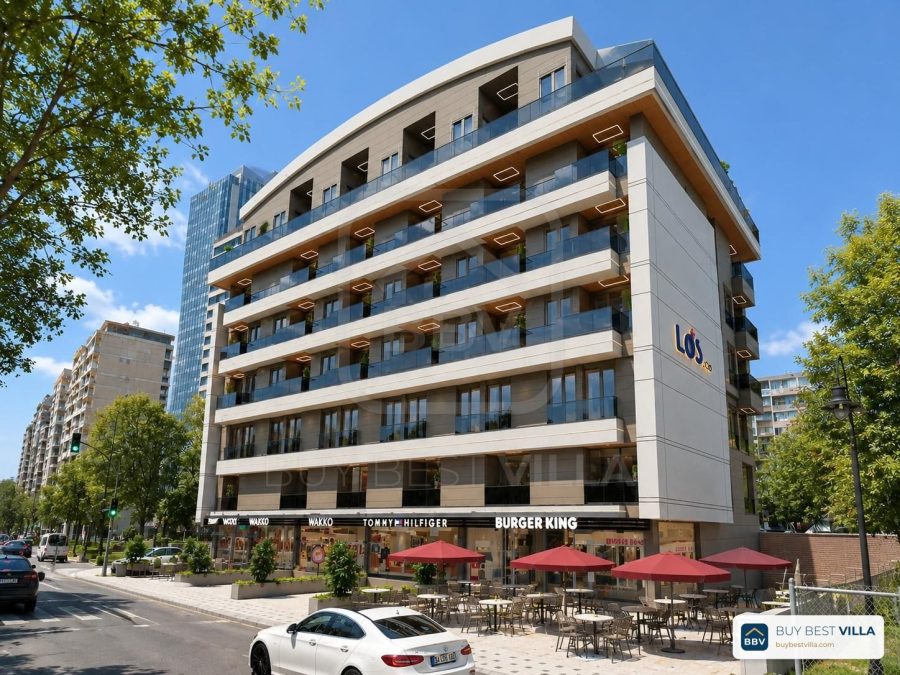
Los Tigres
A boutique development in Sarısu, Konyaaltı, with a pool and covered parking: 1+1 units usable as home or office, plus ground-floor and rooftop duplexes. Delivery August 2027.
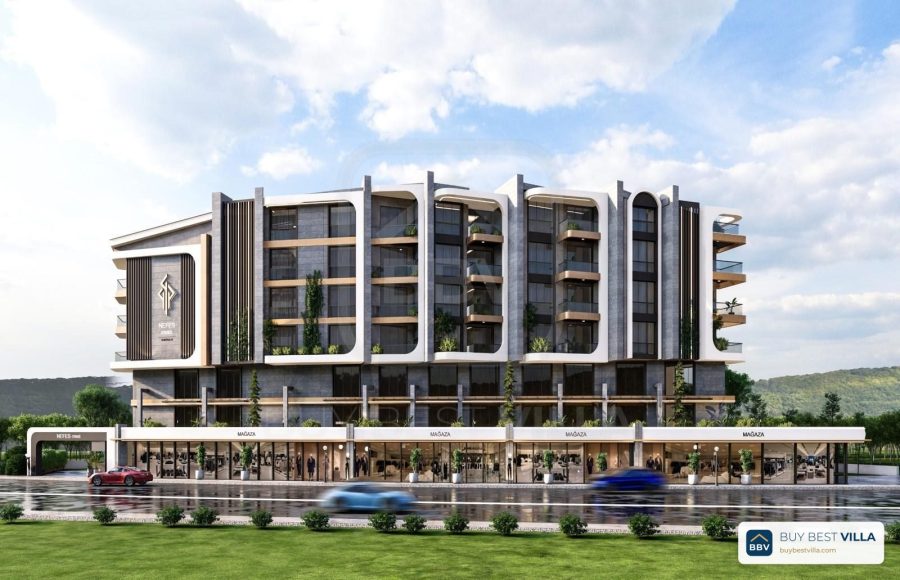
Nefes Corner
A boutique corner-plot project with a pool garden and 44 units: ground + mezzanine duplexes, 1+1 and 2+1 flats and roof duplexes.
Nefes Premium
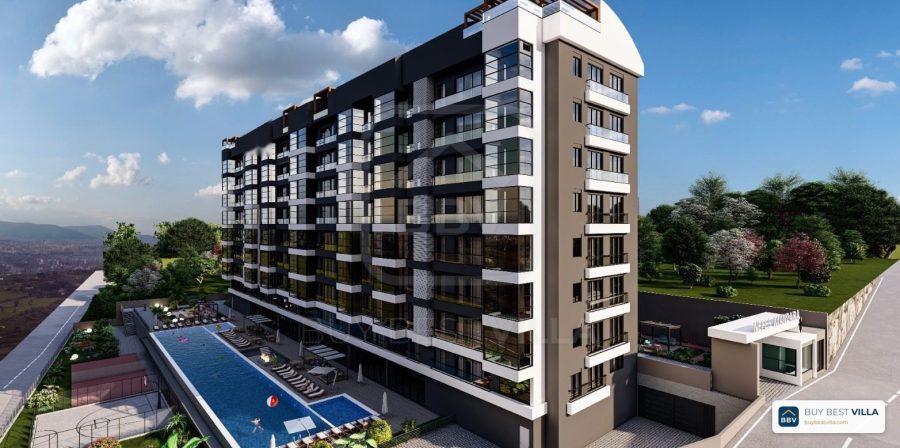
A three-block, 56-unit residence in Kepez with a 350 m² pool, tennis court, jogging track, garden duplexes and penthouse duplexes with private pools. From 2+1 to 4+1.