Winter in Antalya: Rain, Humidity and Preventing Mould at Home
Antalya's winter is mild but wet and humid. We summarise the climate with MGM data and explain how to prevent mould and choose a home that stays dry.
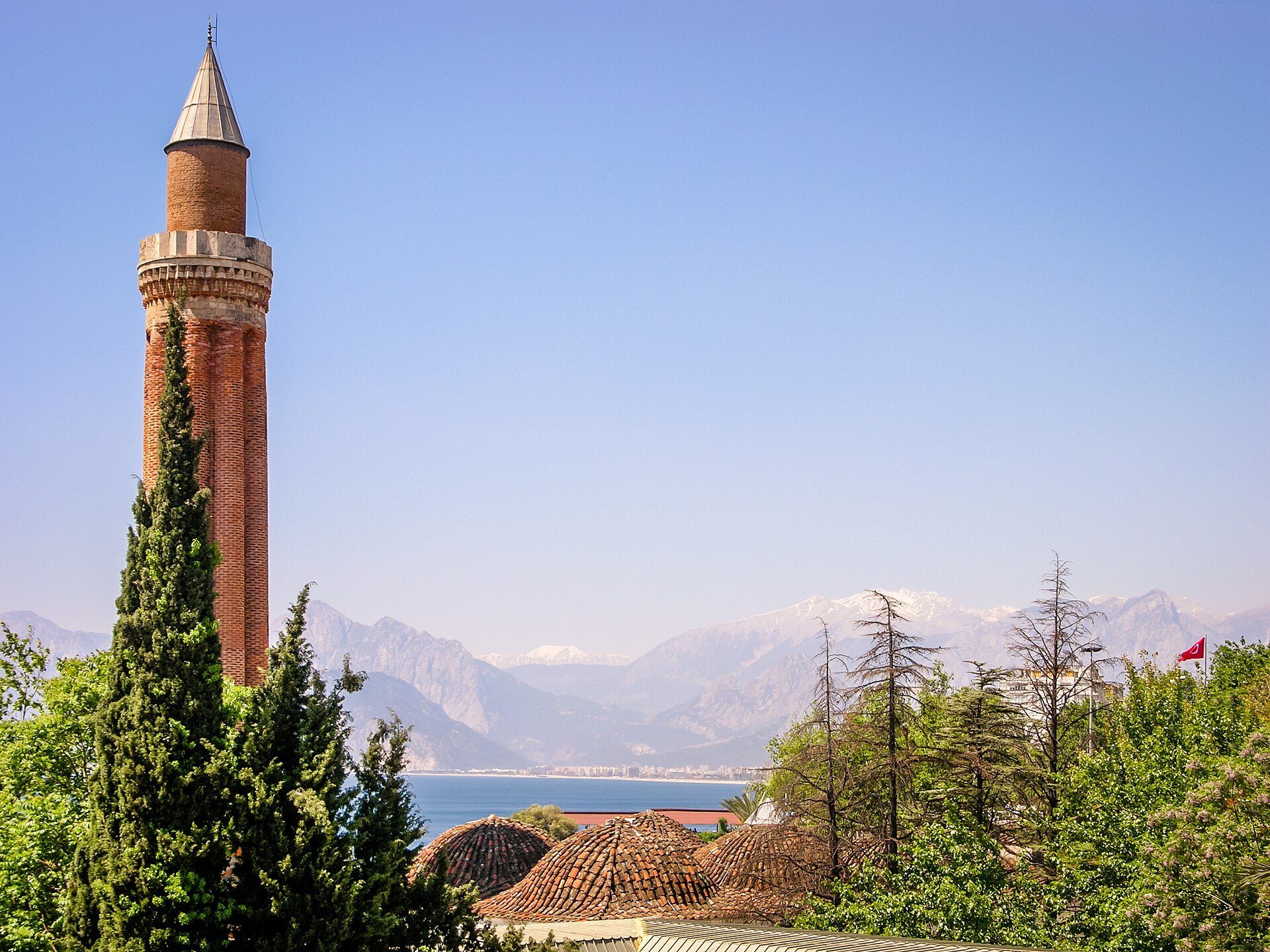
Most people picture summer when they think of Antalya, but residents know that winter is a real season here too. It is mild, yet it is wet, and humidity that is not managed can turn into damp, mould and odours in the home. This guide summarises Antalya's winter climate using official data, then explains practical steps to control humidity and prevent mould, and what to look for when choosing a home.
What is winter in Antalya actually like?
According to the official climate statistics for Antalya published by the Turkish State Meteorological Service (MGM) for 1930-2025, the coldest month is January: mean temperature 10.1 °C, mean daily high 15.0 °C and mean daily low 6.1 °C. Winter in Antalya means cool and rainy weather rather than snow and frost.
The rainfall is the notable part. In the same data December averages 250.9 mm of rain, January 225.5 mm and February 148.1 mm, with roughly 12 rainy days in January and about 12 in December. By contrast, July and August each receive under 5 mm. Most of the year's rain falls between November and February, and daily sunshine drops to around 5 hours in December and January. According to the climate table compiled on Wikipedia, average relative humidity is about 63 percent over the year and about 68 percent in December.
On clear winter days you can see snow on the mountains, such as the Taurus range and Tahtalı, while the coast stays mild.
Why humidity can be a problem
The 2009 WHO Europe guidelines on dampness and mould report that people living in damp or mouldy buildings have up to a 75 percent higher risk of respiratory symptoms and asthma, and that children are particularly susceptible. The guidance also notes that mould generally needs surface relative humidity above about 75-80 percent, while dust mites thrive at roughly 45-50 percent.
The goal, then, is to keep indoor humidity and condensation on cold surfaces under control. According to WHO, dampness comes from building design, construction quality and maintenance, and from how occupants use the building: owners are responsible for adequate insulation, occupants for water use, heating and ventilation.
Where mould usually starts
- The inner face of exterior walls, especially corners and ceiling joints
- Window glass and thermal bridges around columns and beams
- Bathrooms, kitchens and rooms where laundry is dried
- Behind wardrobes and bookcases pushed against an outside wall
- Leaking pipes, roofs or balcony junctions
The WHO text notes that cold surfaces such as window panes and poorly insulated walls can raise local humidity enough to support mould, and that carpets and furniture against external walls can have a similar effect.
What you can do at home
1. Ventilate regularly. Ventilation is the most practical way to carry moisture out. On Antalya's mild winter days, opening windows on opposite sides for a few minutes several times a day is often enough. The WHO says that in existing buildings the first steps are better ventilation and changes in occupant behaviour.
2. Reduce moisture sources. Use the cooker hood and bathroom extractor; dry laundry on a balcony or a well-ventilated space rather than in a closed room. The guidance stresses that controlling the source is better than relying on ventilation alone.
3. Leave a gap between furniture and cold walls. A few centimetres lets air circulate.
4. Measure humidity. An inexpensive hygrometer shows what is going on. As a general rule, humidity that stays above about 60-65 percent deserves attention.
5. Use a dehumidifier if needed. The WHO chapter says temporary dehumidification can help but should not push humidity far below about 45 percent.
6. Fix the cause of any mould. Paint or cleaning alone will not last unless the leak or condensation is solved. If there is a leak, talk to a plumber or the building management.
What about heating?
Winter cold in Antalya is far milder than in northern cities, so heating needs are limited, though you may want it on mornings and evenings between December and February. Heating methods depend on the building: some use a gas boiler, others reversible air conditioning. Which suits you depends on the building's infrastructure, your expected bills and your comfort preferences. Leaving the home completely unheated can raise indoor humidity and cause condensation, so think of moderate warmth and ventilation together.
What to check when choosing a home
- Orientation and sunlight: South- and west-facing homes get more winter sun; a north-facing side can stay cooler and damper.
- Insulation and window quality: Thermal insulation and double glazing reduce condensation.
- Building age: Older buildings more often have poor insulation and pipe leaks. We compared new and older stock in new or second-hand (in Turkish).
- Ground and low floors: Ground-floor and below-grade flats are more sensitive to ground moisture.
- Stains on ceilings, balconies and walls: Visible marks or blistering paint point to past leaks; always look during viewings.
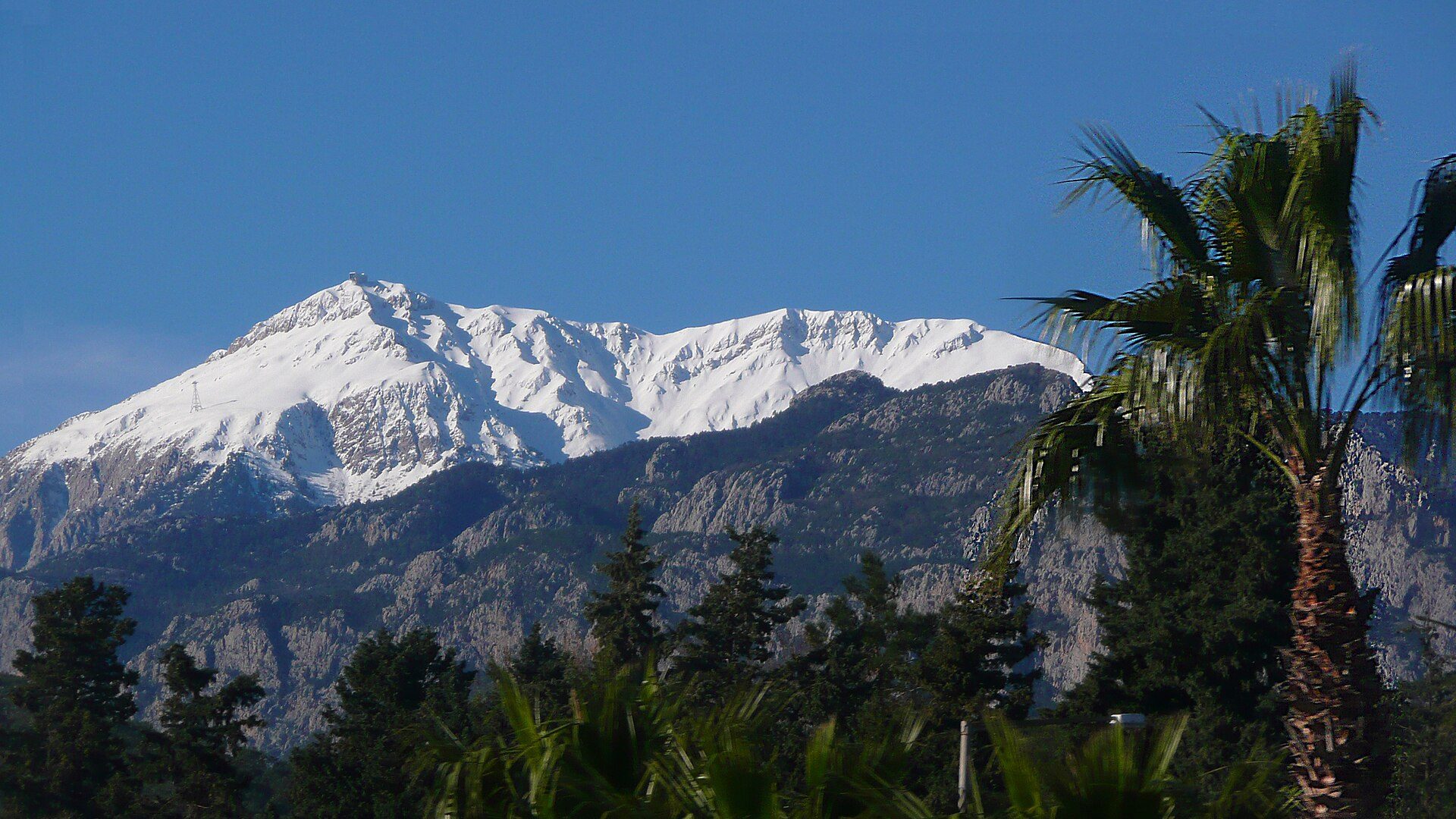
Photo: Peter Tritthart / CC BY 3.0 — Wikimedia Commons
If you leave the home empty for long periods
For holiday or investment homes, a closed-up property during the wet months is the riskiest case for damp and mould. Our Turkish article on leaving a home empty and managing it remotely has practical suggestions.
A short winter checklist
- At the end of October, check windows, balcony doors and roof or terrace waterproofing.
- Have drains and gutters cleaned before the rains.
- Make sure bathroom and kitchen ventilation works.
- Buy a cheap hygrometer and watch humidity in the main rooms.
- Keep wardrobes off outside walls and do not push bed heads against them.
- If you are away for long, ask someone to air the home from time to time.
Conclusion
Antalya's winter is not cold, but it is wet and humid. Mould and damp are often avoidable with ventilation, control of moisture sources and the right choice of home. For the wider climate picture see Antalya weather through the year. If you want to factor winter conditions into your choice of area, our Konyaaltı neighbourhood guide and the buying a home in Antalya page can help, and you can browse new developments on the projects page. Feel free to write to us with any questions.
Cover photo: Julia Maudlin / CC BY 2.0 — Wikimedia Commons
New-build projects for sale in Antalya
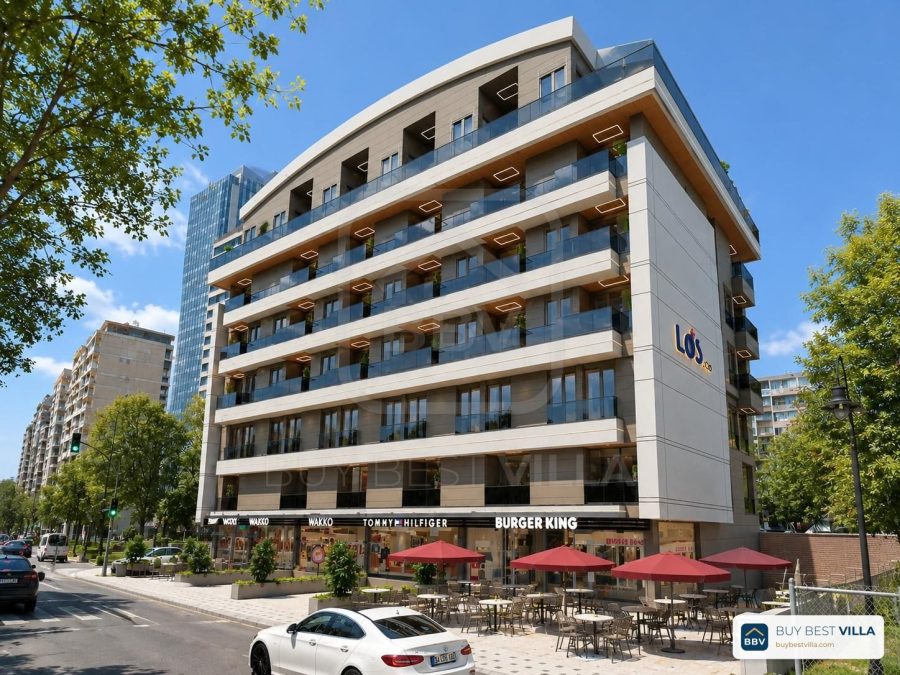
Los Tigres
A boutique development in Sarısu, Konyaaltı, with a pool and covered parking: 1+1 units usable as home or office, plus ground-floor and rooftop duplexes. Delivery August 2027.

Coordinat 24
A boutique development of 2 blocks and 20 homes in Molla Yusuf, Konyaaltı: 2-bedroom garden flats and 3-bedroom duplexes with pool, gym, sauna and covered parking.
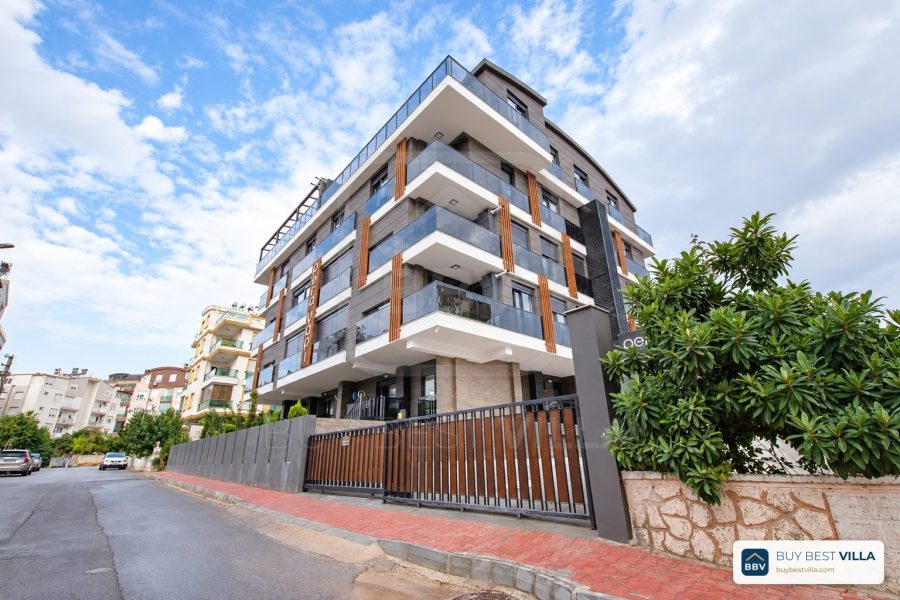
Pera New Life
A boutique project in Pınarbaşı, Konyaaltı: ground + 2 + duplex floors, 16 units — 2+1 and 3+1 reverse duplexes and 4+1 duplexes.