A Guide to Antalya's Neighbourhood Markets and Local Produce
How do you get the most from a neighbourhood market in Antalya? We cover geographically indicated products such as Finike oranges, seasonal shopping tips and how to find market days.
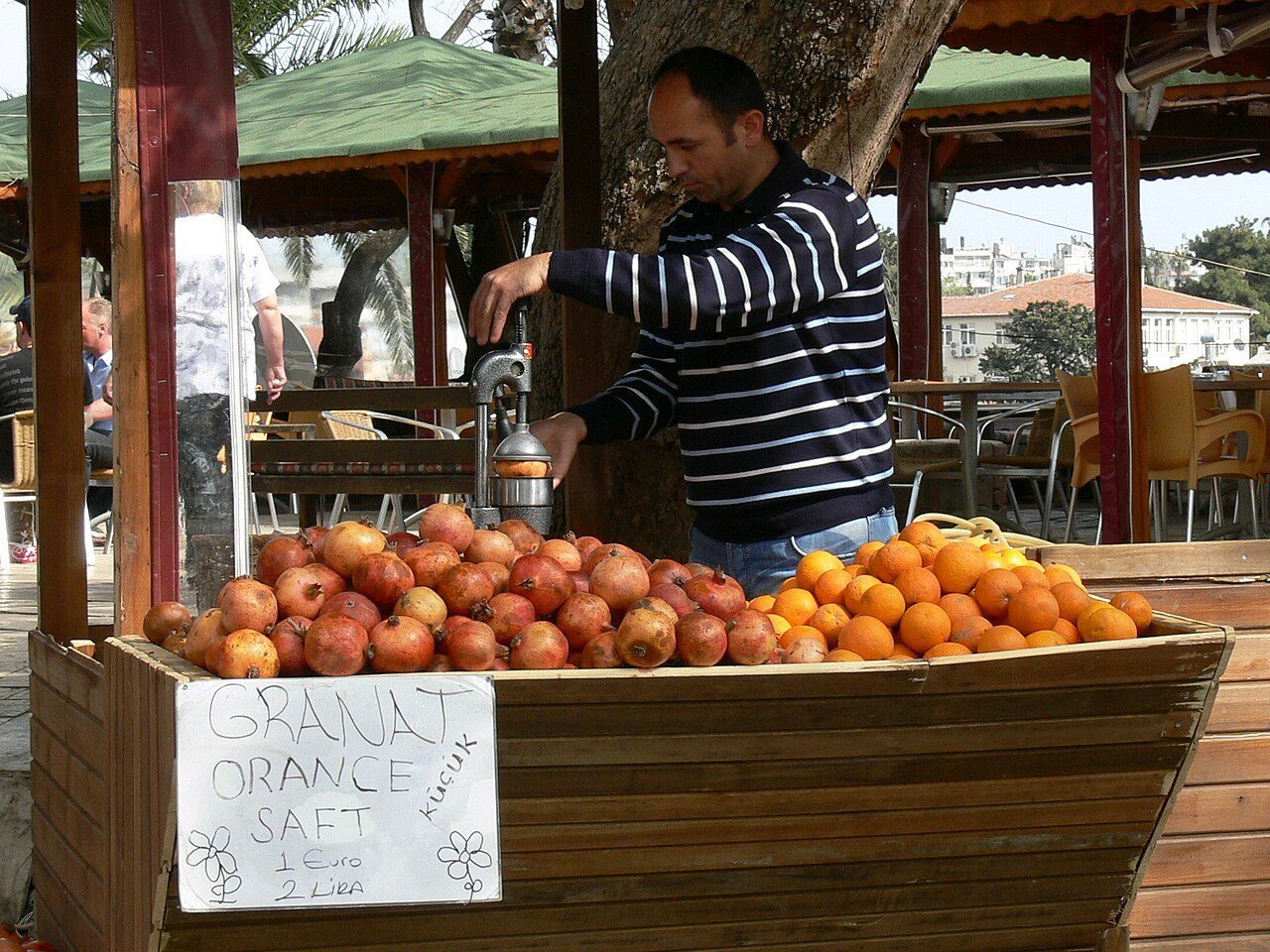
One of the first places newcomers to Antalya discover is often the neighbourhood market, or semt pazarı. In a city with such a variety of citrus, seasonal vegetables and local specialities, the market is both an enjoyable way to manage a budget and a good way to get to know the place. This guide explains how to get the most from local markets, introduces Antalya's regional produce and geographically indicated foods, and gives practical shopping tips.
Why the neighbourhood market matters
A neighbourhood market is one of the liveliest parts of daily life in a district. Producers and traders stand side by side, and produce in season is usually plentiful and reasonably priced. In a tourist-heavy city like Antalya, these markets are also where residents actually shop, so they should not be confused with bazaars aimed at visitors.
For people looking for a home, a market within walking distance is a useful clue. When comparing districts, consider the market day and how far the market is. If you wonder how daily life works on foot in the centre, see the 15-minute city in central Antalya.
How to find market days
Market days vary from district to district and can change over time, so the most reliable way is to check the announcements of the relevant district municipality or ask residents. We do not give a fixed calendar here. Before you move, finding out which day a market is set up near your home helps you anticipate morning traffic and parking.
Antalya produce through the seasons
Antalya's climate allows different crops through the year. According to official MGM data for Antalya, winter temperatures stay around 10 °C on average; this mild winter provides suitable conditions for citrus.
Finike oranges
One of Antalya's best-known local products is the Finike orange. Registered as a geographical indication by the Turkish Patent and Trademark Office in 2008 (registration date 26.12.2008), it is a seedless fruit of the Washington Navel variety. The fruit turns yellow and becomes ready for harvest in November; oranges ripened on the tree are at their best for the domestic market and for export in December, January and February. That is a sensible window to look for Finike oranges at markets and greengrocers, although it is also good practice to ask about the label and the seller's claim of origin.
Local products of Konyaaltı
According to a news report from October 2025, ten local products of Konyaaltı and its surroundings were introduced at a meeting held by the Konyaaltı District Governorate in Çakırlar village: Çandır beans, Konyaaltı molehiya stew, pumpkin gözleme, Çakırlar bazlama bread, stuffed dough (hamur dolması), Doyran black aubergine, Çakırlar village breakfast, Hacısekililer oranges, goat cheese and boiled pistachios (Antalya fıstık haşlaması). The report cites Governor Hulusi Şahin as saying that registered and in-process products in Antalya together approach 200. You can check whether a product is registered or only applied for in the geographical-indication database of the Turkish Patent and Trademark Office.
Shopping tips
- Go early. Stalls are fuller and produce fresher in the morning; prices may drop toward evening but choice shrinks.
- Walk the market first. Compare price and quality of the same item before buying.
- Bring your own bags. Practical and better for the environment.
- Check the unit. Make sure the price is per kilogram, per piece or per crate, and watch the weighing.
- Touch and smell. Fragrance and firmness show quality. You are entitled to pick out bruised or rotten items.
- Plan quantities. In TurkStat's 2025 Household Consumption Expenditure results (2 June 2026), fresh fruit and vegetables were the most wasted food group at 39.7 percent. Planning a week of meals and buying accordingly reduces both waste and cost.
- Carry cash. Not every stall takes cards, and small change helps.
- Protect produce from heat. In summer keep delicate items in the shade and do not leave them in a parked car.
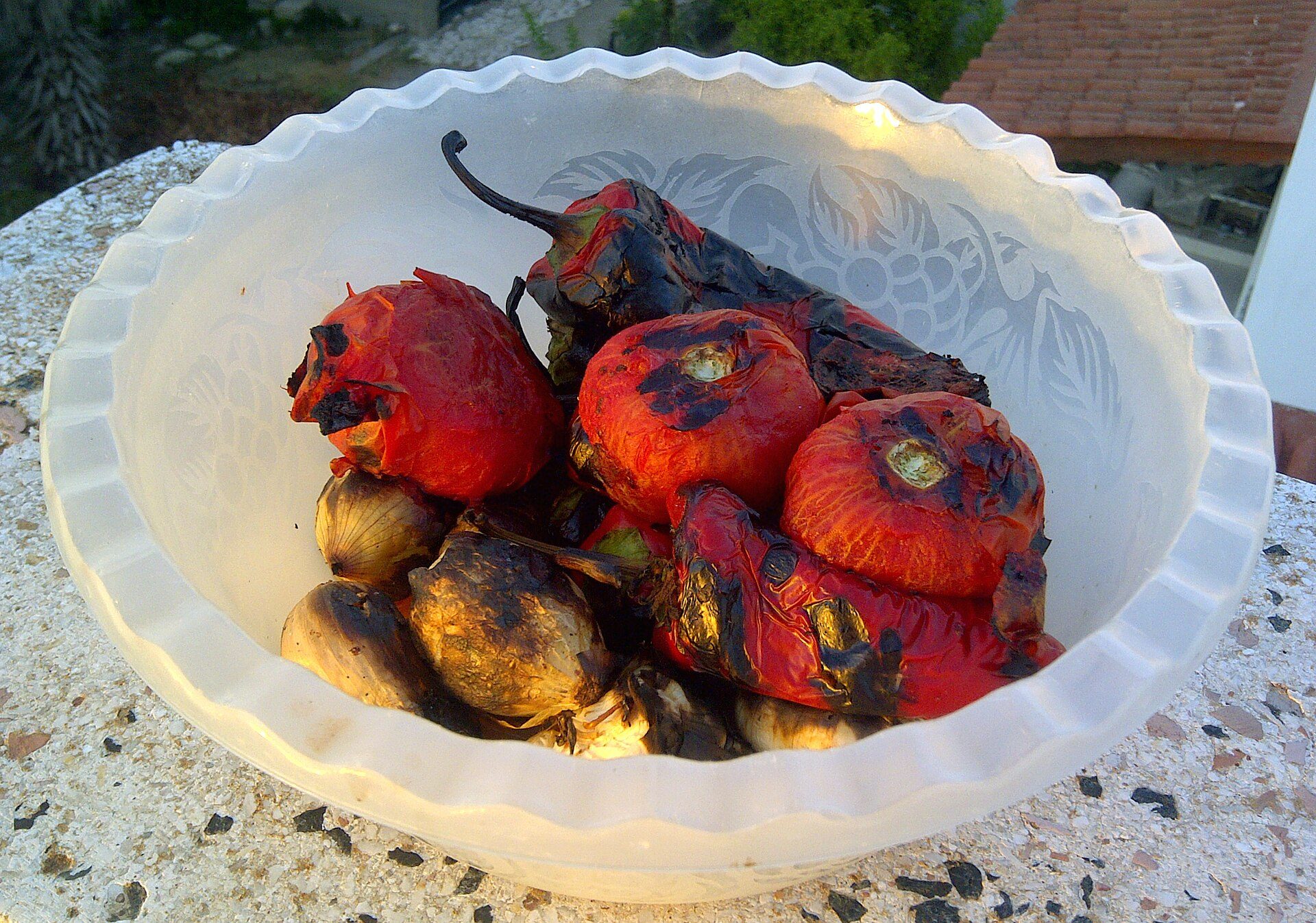
Photo: Abuk SABUK / CC BY-SA 3.0 — Wikimedia Commons
The market and your budget
Food is a significant line in the monthly cost of living; in TurkStat's 2025 data, food and non-alcoholic beverages account for 17.3 percent of household spending nationally. Buying local produce in season is often a practical way to manage that line, but we do not quote a fixed saving because prices change with season and demand. For other budget lines see our guide to the cost of living in Antalya.
Market access and choosing a district
Your market experience depends on the district you choose. Konyaaltı is known for green space and proximity to the sea, while in Kepez, a large and densely populated district, market shopping is part of the daily routine. You can read about the differences here:
Conclusion
Antalya's neighbourhood markets are a strong tool for getting to know local produce and managing the daily budget. Learn the market day in your district, favour produce that is in season and clearly sourced, and match quantities to your weekly plan. If you are choosing an area, see buying a home in Antalya, and for new developments the projects page. Feel free to write to us with any questions.
Cover photo: Wolfgang Sauber / CC BY-SA 3.0 — Wikimedia Commons
New-build projects for sale in Antalya
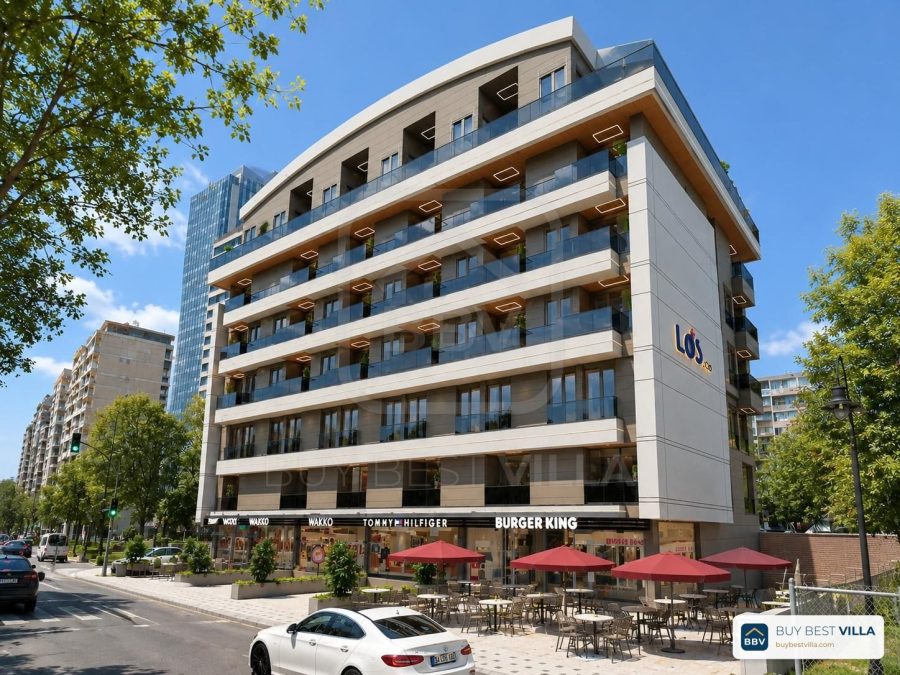
Los Tigres
A boutique development in Sarısu, Konyaaltı, with a pool and covered parking: 1+1 units usable as home or office, plus ground-floor and rooftop duplexes. Delivery August 2027.

Nefes Corner
A boutique corner-plot project with a pool garden and 44 units: ground + mezzanine duplexes, 1+1 and 2+1 flats and roof duplexes.
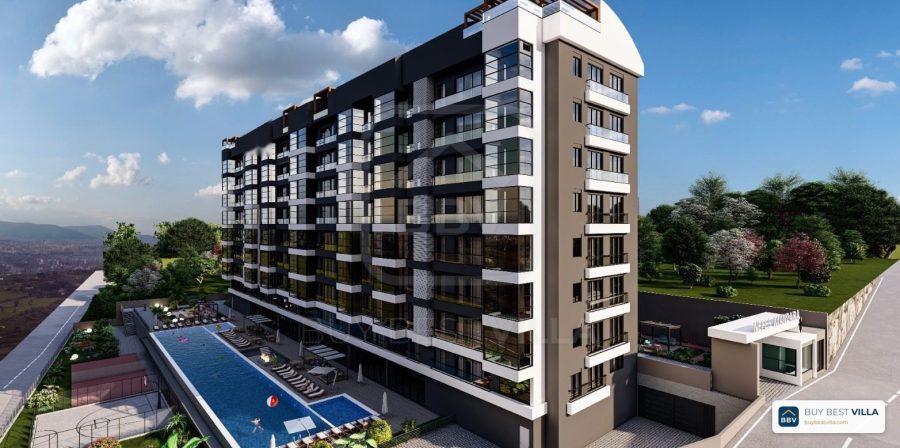
Nefes Premium
A three-block, 56-unit residence in Kepez with a 350 m² pool, tennis court, jogging track, garden duplexes and penthouse duplexes with private pools. From 2+1 to 4+1.