Hadrian's Gate in Antalya: History, Architecture and How to Visit
The story of the triple-arched gate built for Emperor Hadrian in AD 130, its carved details, and practical tips for visiting it today.
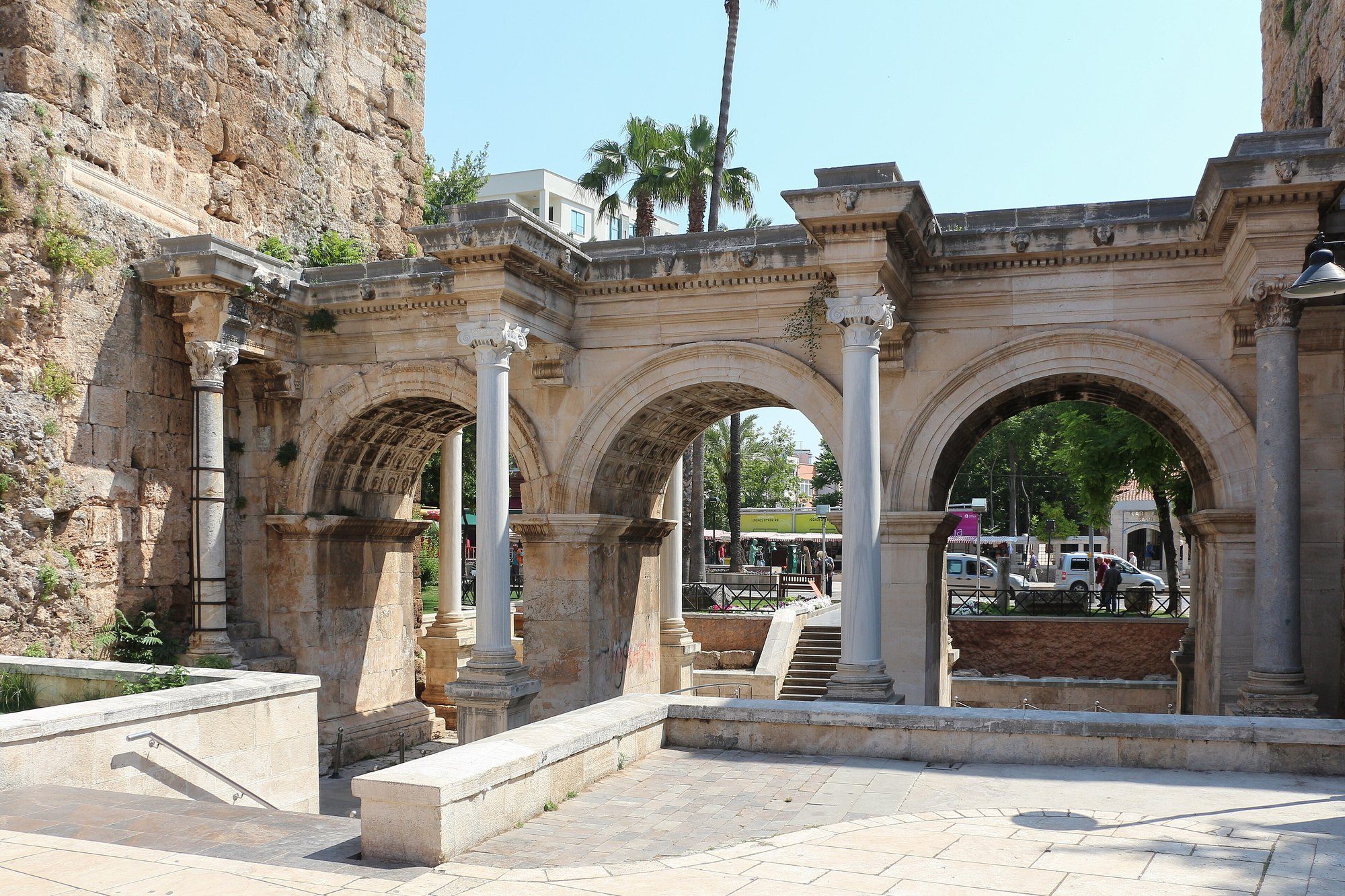
Hadrian's Gate, known locally as Üçkapılar ("the three gates"), is a triple-arched marble gateway built to commemorate the Roman Emperor Hadrian's visit to Antalya, then called Attaleia, in AD 130. It stands at the eastern entrance to Kaleiçi, the old town, on Atatürk Caddesi, and you can visit it free of charge at any hour.
Having stood for almost 1,900 years, the gate is one of the best-preserved Roman monuments in Antalya. This guide covers why it was built, the architectural details worth looking for, how it was hidden and rediscovered, and how to see it today.
At a glance
- Built: AD 130, to mark Emperor Hadrian's visit to the city
- Local name: Üçkapılar, meaning "three gates"
- Materials: white marble with granite columns
- Location: eastern entrance to Kaleiçi, Atatürk Caddesi
- Entry: open-air, free, accessible around the clock
- Time needed: 20–30 minutes
When and why was Hadrian's Gate built?
Hadrian ruled the Roman Empire from AD 117 to 138 and was famous for travelling through his provinces. During his tour of the eastern provinces in AD 130 he visited Pamphylia, and with it Attaleia. The citizens honoured the occasion with a monumental ceremonial gate on the eastern side of the city walls. Hadrian's name is linked with other great works too: Hadrian's Wall in Britain was built in his reign, and the Pantheon in Rome was rebuilt in his time. The Antalya gate is one of the most tangible traces this travelling emperor left in Anatolia.
Attaleia itself is much older. It was founded in the 2nd century BC by King Attalus II of Pergamon, who gave the city its name. Thanks to its sheltered harbour, it became an important trading and transit point in the Roman period, and Hadrian's Gate was the grandest landward entrance to this harbour city.
The architecture: three arches, columns and carvings
The gate's defining feature is its three identical arched passageways side by side, which is where the name Üçkapılar comes from. The structure is built of white marble, while the column shafts are granite.
Façades and ceilings
Four columns stand in front of the arches on each façade. The capitals are richly carved, and a frieze with plant motifs runs along the front. Look up as you walk through: the vaulted ceilings are divided into square coffers decorated with rosettes and floral designs. These are the gate's finest details, and many visitors miss them.
The lost upper storey
The gate originally had two storeys. The upper level is thought to have carried statues of the emperor and his family. It had disappeared by the late 19th century.
The flanking towers
A tower stands on each side of the gate. The southern tower dates from the Roman period, while the northern tower was rebuilt in the 13th century under the Seljuk Sultan Alaeddin Keykubad I. In one spot you can see Roman and Seljuk work side by side.
Wheel ruts in the stone
In the old stone paving beneath the arches you can still make out deep ruts worn by centuries of cart traffic. This section is now protected by a walkway that visitors cross.
How was the gate hidden and rediscovered?
Over time Hadrian's Gate was absorbed into the city walls and partly hidden behind later masonry. Western readers learned of it through the travel notes of the British naval officer and hydrographer Francis Beaufort, published in 1817.
The gate only regained its current appearance in the mid-20th century. In the 1950s the surrounding wall remains were cleared, the gate was exposed again, and a major restoration followed in 1959. The complete view you see today from Atatürk Caddesi is the result of that work.
The link with Kaleiçi: a gateway to the old harbour city
When you pass through Hadrian's Gate, you step into ancient Attaleia, today's Kaleiçi. Hesapçı Sokak, which starts just inside the gate, takes you past the Kesik Minaret to the area around Hıdırlık Tower, while side lanes lead down to the old harbour, in use since Roman times and now a marina. Along the way you will find the Yivli Minaret, the Clock Tower, the Kesik Minaret and Hıdırlık Tower. To cover them in a day, see our one-day walking route through Kaleiçi. For more ideas in the centre, our guide to places to visit near Antalya city centre is a good companion.
How to visit Hadrian's Gate today
The gate is an open-air monument with no tickets, ticket office or closing time. A few practical tips:
- Timing: Early morning and late afternoon are quieter and give softer light for photos. The gate is lit up in the evening.
- Summer heat: In July and August the stone gets very hot around midday. To plan by season, see our article on Antalya's weather through the year.
- Getting there: The gate is an easy walk from the city centre. The nostalgic tram that ran past it for many years was suspended in summer 2026; the municipality has said the line will not be scrapped and has introduced the NT07 bus route as a temporary replacement. Check the current situation before you set out.
- Respect the site: Do not climb on the marble, and follow the signs around the protected paving.
Living within walking distance of the gate
Hadrian's Gate is not only a tourist sight; it is part of the daily routine for people who live in central Antalya. The shops, cafés and benches around it work as a meeting point all day long. Popping down to Kaleiçi for coffee or taking an evening stroll along the walls is simply part of life here.
Incidentally, Meridien Nova, rising in Yüksekalan about 1 km from Üçkapılar as the crow flies, offers advantageous payment options and is worth a look if you are searching for a home in the centre. The development offers 1+1 to 3+1 apartments and duplexes on the top floors; ask us for the current payment plan.
Frequently asked questions
When was Hadrian's Gate built?
It was built to commemorate the Roman Emperor Hadrian's visit to Attaleia, today's Antalya, in AD 130, which makes it almost 1,900 years old.
Is there an entrance fee for Hadrian's Gate?
No. The gate is in the open air and can be seen free of charge at any hour. Around 20–30 minutes is usually enough.
Why is it called Üçkapılar?
Because the structure has three identical arched passageways side by side, locals call it Üçkapılar, "the three gates". Its official and international name is Hadrian's Gate.
How do I get to Hadrian's Gate?
The gate is at the eastern entrance to Kaleiçi on Atatürk Caddesi and is within walking distance of much of the city centre. As the nostalgic tram has not been running since summer 2026, check current routes before relying on public transport.
Cover photo: Bernard Gagnon, CC BY-SA 3.0, Wikimedia Commons (cropped).
New-build projects for sale in Antalya
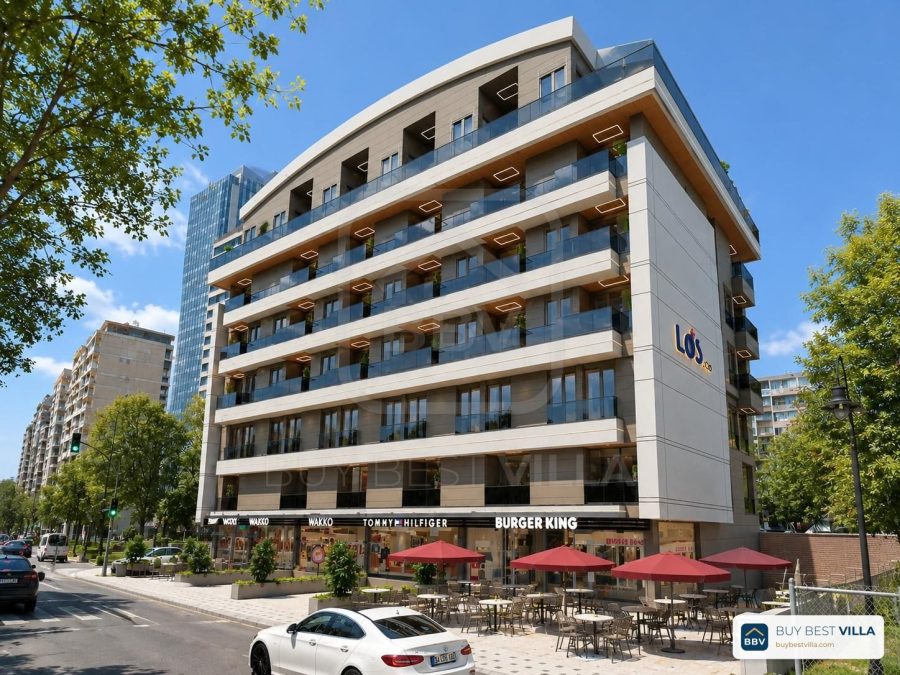
Los Tigres
A boutique development in Sarısu, Konyaaltı, with a pool and covered parking: 1+1 units usable as home or office, plus ground-floor and rooftop duplexes. Delivery August 2027.
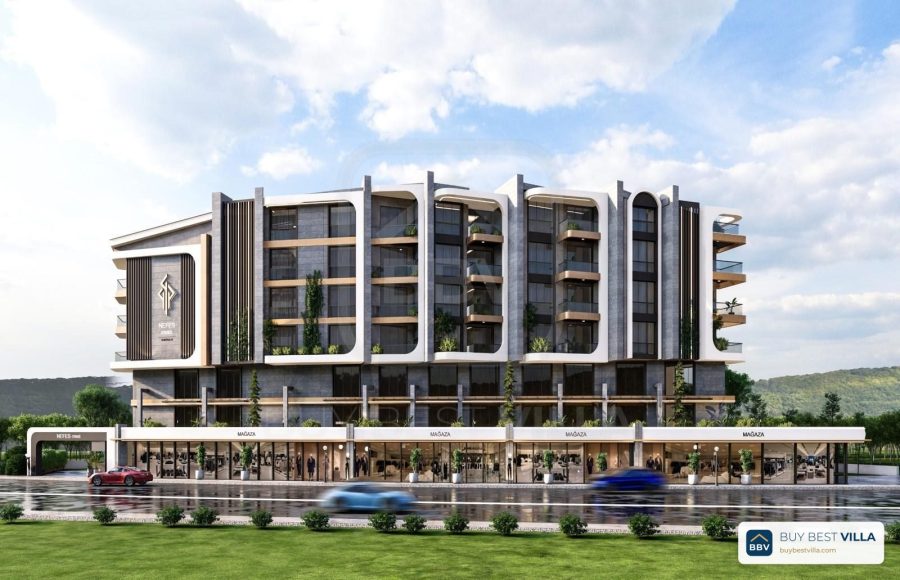
Nefes Corner
A boutique corner-plot project with a pool garden and 44 units: ground + mezzanine duplexes, 1+1 and 2+1 flats and roof duplexes.
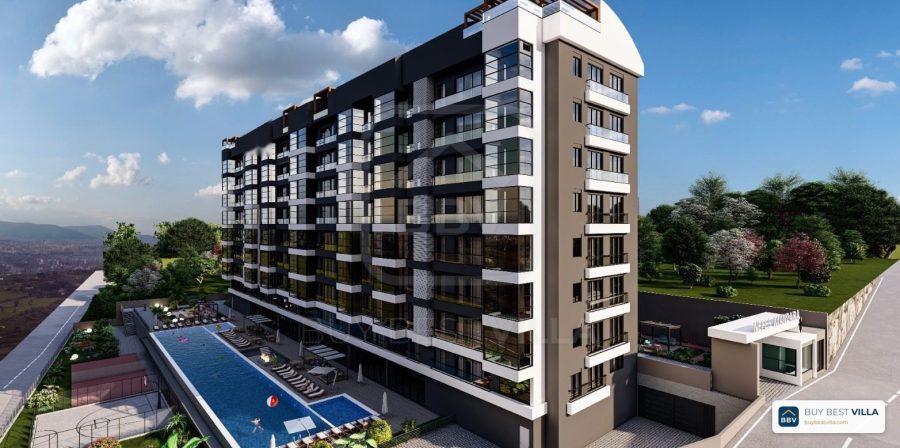
Nefes Premium
A three-block, 56-unit residence in Kepez with a 350 m² pool, tennis court, jogging track, garden duplexes and penthouse duplexes with private pools. From 2+1 to 4+1.