The Antalya Museum and the city’s history: a culture route while the museum is closed
The Antalya Museum closed in July 2025 to be rebuilt. We cover its history, the closure and routes for seeing Antalya’s history in the meantime.
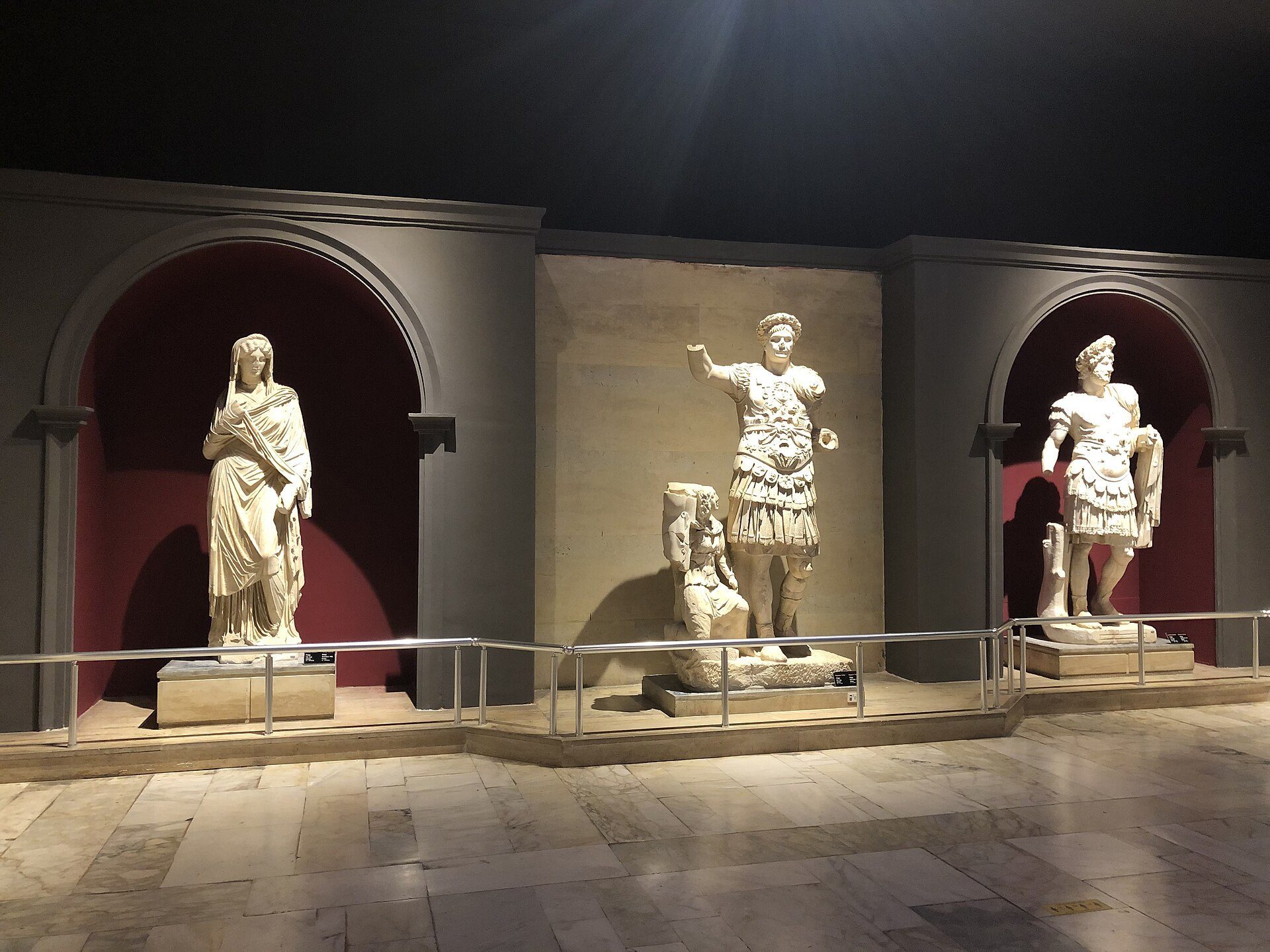
One of the best ways to get to know a city is to visit its museum. For Antalya, that museum was for many years the Antalya Museum on Konyaaltı Avenue. But a warning is needed first: as part of a Ministry of Culture and Tourism project, the Antalya Museum closed to visitors on 16 July 2025 and is being demolished to be rebuilt. So today you cannot walk in and tour its halls. In this post we explain what the museum was, why it was closed and which other routes let you learn Antalya's history in the meantime.
A short history of the Antalya Museum
According to Wikipedia's entry, the museum was founded in 1922 and was first housed in the Alâeddin Mosque. After restoration it reopened to the public in April 1985. It had 13 exhibition halls and an open-air gallery in about 7,000 square metres. About 5,000 works were on display, with many more (25,000 to 30,000) in storage. A travel site said the museum was open daily from 08:30 to 20:00 and accepted the Museum Card, but that information no longer applies.
The exhibits: gods and emperors from Perge
The museum's best-known sections were:
- Hall of Gods: Marble statues largely from Perge dated to the 2nd century AD; Wikipedia says figures such as Minerva, Zeus, Artemis and Hermes stood here.
- Hall of Emperors: Portrait busts of Roman emperors such as Hadrian and Trajan.
- Sarcophagi Hall: Stone sarcophagi decorated with mythological scenes and hunting motifs. The most famous was the Heracles Sarcophagus, depicting the Twelve Labours of Heracles.
- The Dancer from Perge: A 2nd-century AD marble statue of a woman was another highlight.
- Other sections: Prehistory (Karain, Hacılar, Semahöyük), Byzantine mosaics and icons, coins, Islamic-era and ethnographic items, and a children's museum.
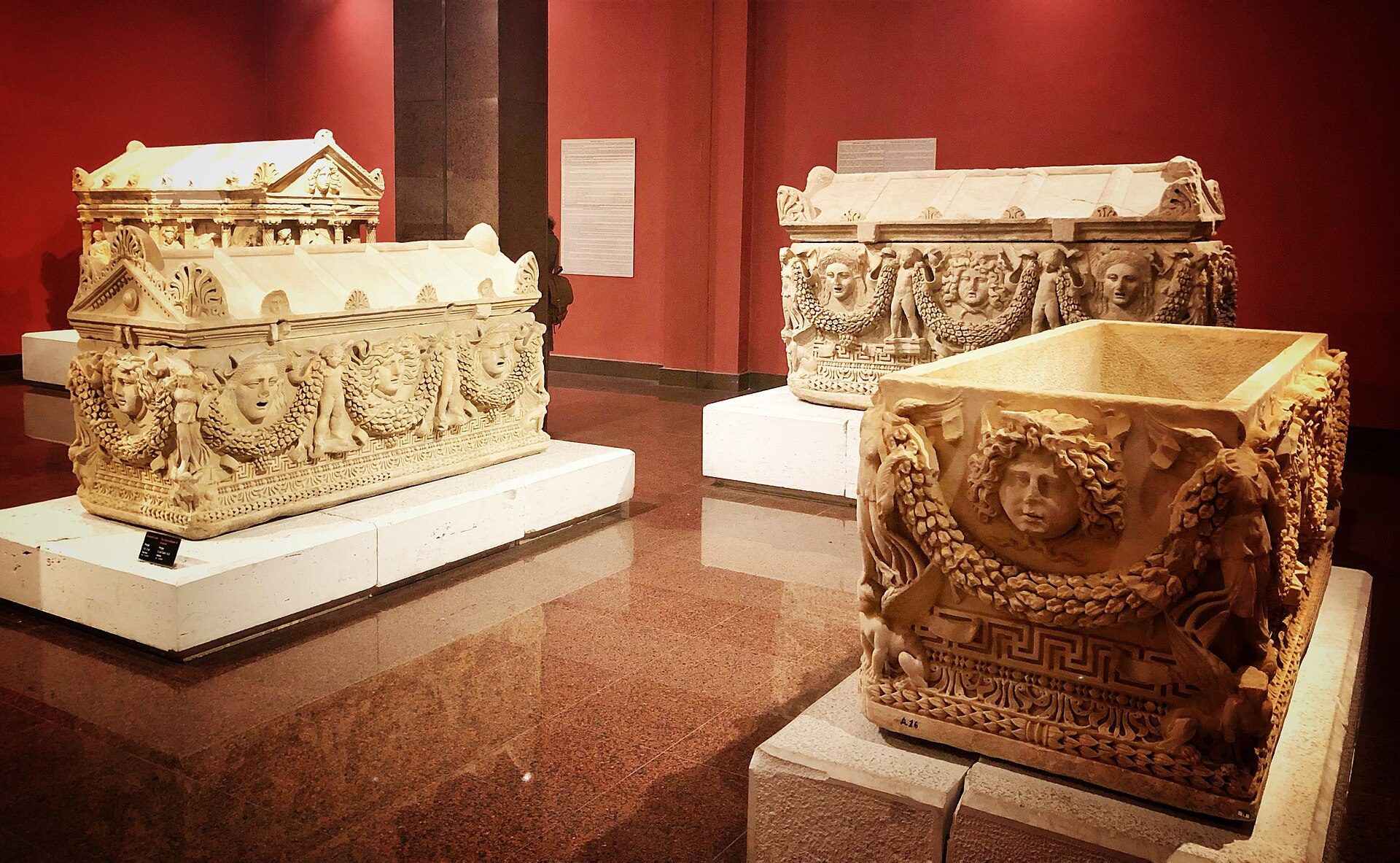
Photo: Yamen / CC BY-SA 4.0 — Wikimedia Commons
Why was it closed?
According to Gazete Vatan, the building was classified as a risky structure in a 2020 earthquake performance analysis, so the Ministry decided to demolish it and build a new museum on the same site. The process went like this: the project was presented on 20 March 2025, the first-phase tender was held on 4 June 2025, the contract was signed on 1 July 2025 and the museum closed to visitors on 16 July 2025. The first phase covers building temporary storage in the museum garden, moving the artefacts there under expert supervision and then demolishing the existing building. The same report gives the planned completion as the end of 2026; as a target, it may change.
A DHA-sourced report says Minister Mehmet Nuri Ersoy shared footage of the transfer, that nearly 100,000 artefacts were moved, and that the Heracles Sarcophagus and the Tired Heracles statue were among them. The pieces are said to be kept in suitably climate-controlled temporary locations. The decision was criticised by some professional chambers and members of parliament, who argued the building should be reinforced instead of demolished. We take no side in that debate; we only pass on publicly reported information.
Where to see Antalya's history while the museum is closed
For people living in Antalya, history continues in the city's streets and the ancient cities around it. Even with the museum closed, there are several outdoor routes:
- Kaleiçi: The walled old town, with restored Ottoman-era houses, narrow streets and a historic harbour, is like an open-air museum. For a one-day walking route see A one-day walking route through Kaleiçi.
- Hadrian's Gate: According to Wikipedia, this monumental gate was built in the 2nd century to honour Emperor Hadrian and is one of Kaleiçi's entrances. For its architecture and visiting notes read our guide to Hadrian's Gate.
- Yivli Minaret: The Seljuk-era minaret, decorated with dark blue and turquoise tiles, is regarded as the city's symbol.
- Perge and Aspendos: Walking around Perge, where the museum's statues came from, is a good way to see the works in context. Perge and Aspendos weekend trips introduces both cities.
- Termessos: For the ancient city on the mountainside, Termessos and Güver Cliff is a good start.
If you want other options near the centre, places to visit near Antalya city centre will help.
When and how will the new museum come?
According to Gazete Vatan, the new museum will be built on the same land, the existing green areas and tree cover will be kept, and the building will include space reserved for future expansion. The architect is quoted as saying the main inspiration for the design is the ancient city of Perge. Follow official updates and the opening date through the culture and tourism directorate and muze.gov.tr; we have no confirmed information on the opening date.
Conclusion
Even though the Antalya Museum is closed for now, the city's history lives in its streets, gates, minarets and surrounding ancient cities. When the museum reopens it will probably again be the centre of a cultural route; until then the routes above offer a good alternative for you and your guests. If you are thinking of living in Antalya, see our guide to buying a home in Antalya and projects page for areas and homes, and feel free to write to us with questions.
Sources: Wikipedia (Antalya Museum), Gazete Vatan (the closure process), DHA/Bursa Hakimiyet (transfer of artefacts), Nomado Travel. Images are archive photos; the museum is currently closed.
Cover photo: Yamen / CC BY-SA 4.0 — Wikimedia Commons
New-build projects for sale in Antalya
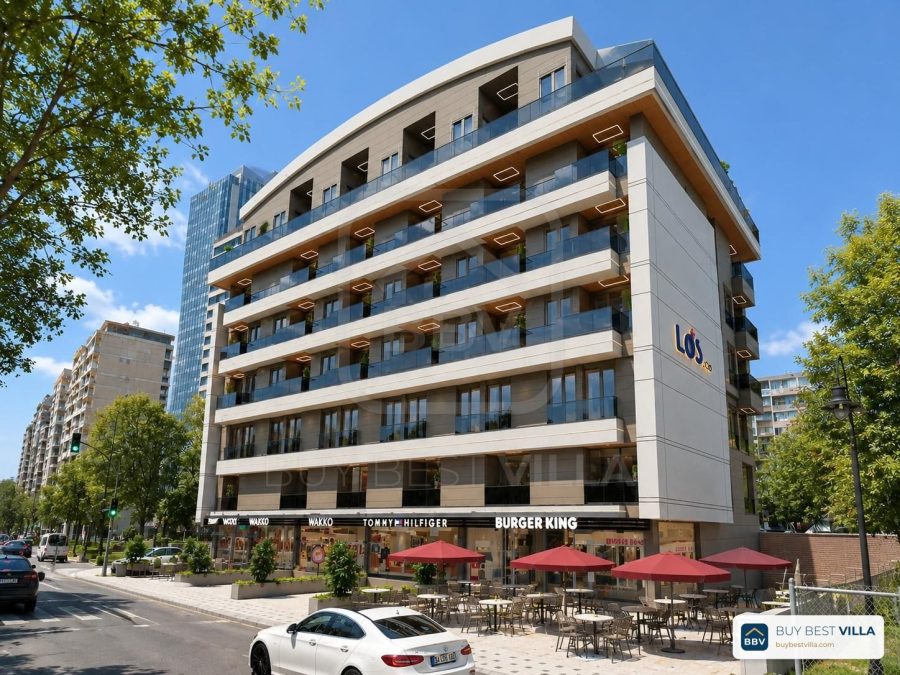
Los Tigres
A boutique development in Sarısu, Konyaaltı, with a pool and covered parking: 1+1 units usable as home or office, plus ground-floor and rooftop duplexes. Delivery August 2027.
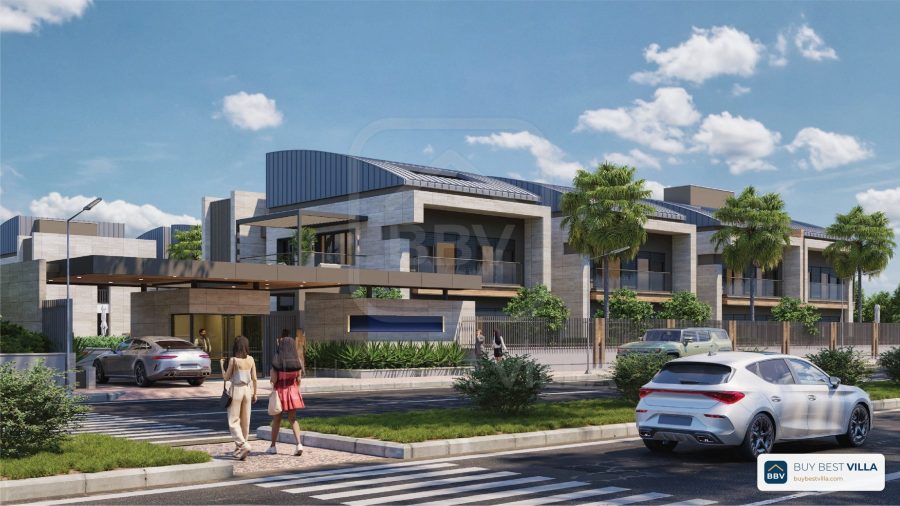
Coordinat 24
A boutique development of 2 blocks and 20 homes in Molla Yusuf, Konyaaltı: 2-bedroom garden flats and 3-bedroom duplexes with pool, gym, sauna and covered parking.
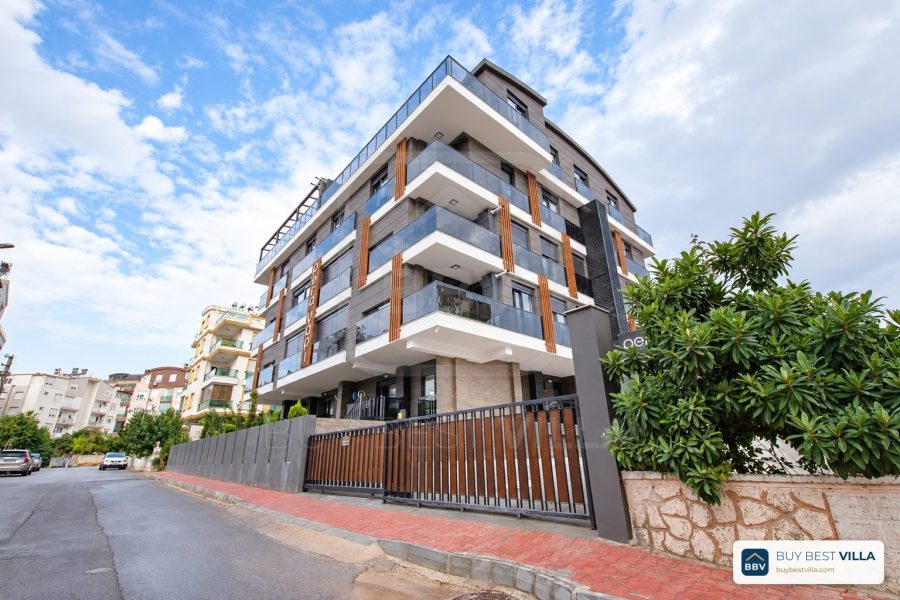
Pera New Life
A boutique project in Pınarbaşı, Konyaaltı: ground + 2 + duplex floors, 16 units — 2+1 and 3+1 reverse duplexes and 4+1 duplexes.