Phaselis ancient city and the Gelidonya road: a day west of Antalya
Set between pine forest and sea, Phaselis offers three harbours, a theatre and an aqueduct as an easy day trip from Antalya. Getting there, visiting tips and the Gelidonya road.
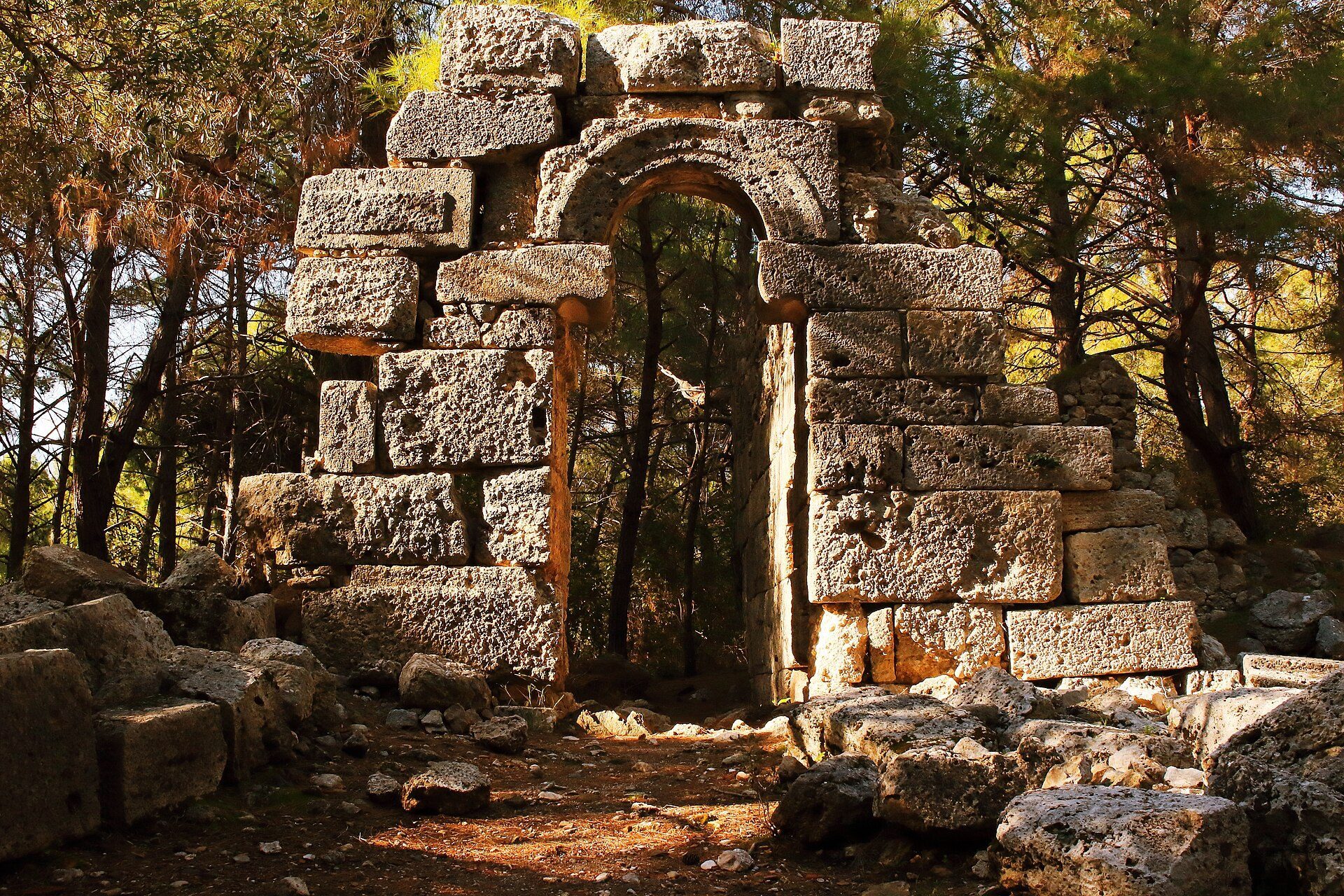
The coast road that runs west from Antalya, past Kemer and beyond, offers a quick escape from city life with both nature and history on the way. One of its best-known stops is the ancient city of Phaselis, squeezed between a pine forest and the Mediterranean. If you have moved to Antalya or are thinking about it, Phaselis is an easy weekend day trip that combines a walk among ruins with a swim.
Where is Phaselis and how long does it take?
Phaselis lies in the Kemer district, right beside the Antalya–Kumluca highway. Wikipedia places the ruins about 16 km south of Kemer, near the 57th kilometre of the highway; a Habertürk travel feature gives roughly 15 km from Kemer and about 60 km from Antalya city centre. Depending on traffic and where you start, expect a drive of around an hour or a little more. The same feature notes that dolmuş minibuses run from Kemer, though you should confirm current timetables before you set out.
Behind the pine forest that surrounds the site, Mount Tahtalı rises. That backdrop turns Phaselis from a simple archaeological site into a proper nature stop.
A short history: the city bought with fish
Phaselis is generally said to have been founded by Rhodian colonists in the 7th century BC; Wikipedia gives 690 BC in the text and 700 BC in the infobox, so treat the date as approximate. According to a local legend, the colonists' leader bought the land from a shepherd named Kylabras in exchange for grain or salted dried fish, and the shepherd chose the fish. It is a legend, not a documented fact.
Over the centuries the city came under Lycian, Persian, Macedonian (the time of Alexander the Great) and Roman rule. Habertürk's feature says it lost importance as the Seljuks focused on Antalya and Manavgat. Traces of the Hellenistic, Roman and Byzantine periods can be seen side by side.
Three harbours: what makes Phaselis special
The city's most distinctive feature is its three harbours:
- North Harbour: the quietest, with a mostly pebbly shore and a sarcophagus decorated with lion heads.
- Military (Central) Harbour: a small, pool-like cove where rocks and ancient ruins act as natural breakwaters.
- South Harbour: the sandy beach, a regular stop for day-trip boat tours and often crowded in summer.
Wikipedia lists the same trio (North, Battle and Protected or Sun Harbour). There are also ruins under the water near the harbours, so a snorkel is a good idea if you like the sea.
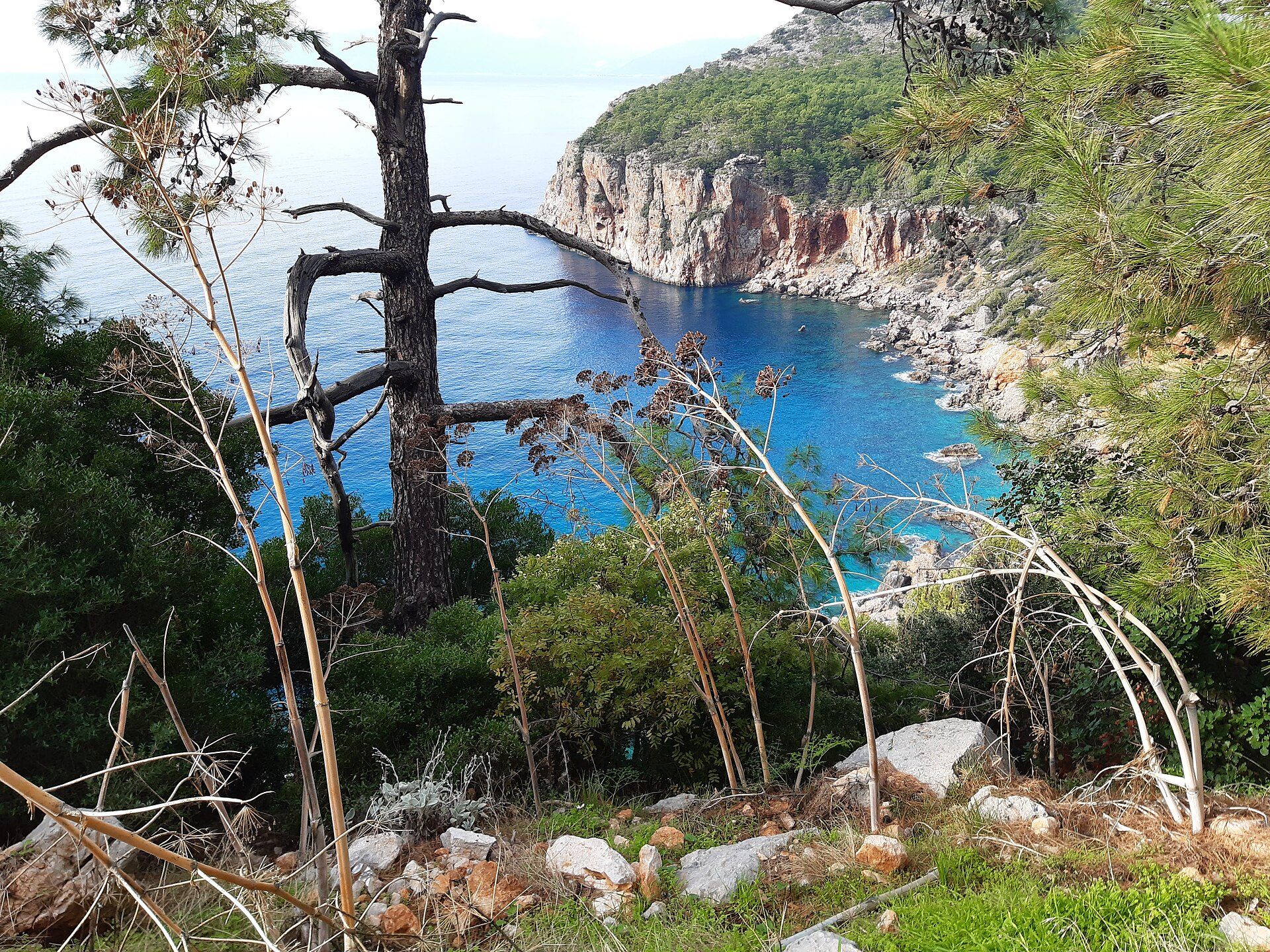
Photo: BİSİKLETÇİ1234 / CC BY-SA 4.0 — Wikimedia Commons
The main street, the aqueduct and the theatre
On the way in you walk beneath the arches of the Roman aqueduct that carried water to the city and reach the main street. On the southern part of that street stands the gate built in Hadrian's honour. Wikipedia calls it the "Hadrian Waterway Gate", while Habertürk describes the gate as built for the emperor's visit. The two sources differ on detail, so let us simply say that the gate can still be seen as one of the city's entrances.
The ancient theatre, which seated roughly 1,500 to 2,000 people, overlooks the central square. Sitting on its steps with Tahtalı in view is one of the nicest quiet moments on the site. The agora, baths and other public buildings show how lively the city's commercial and social life once was.
Practical notes before you go
- Tickets and hours: The site charges an entrance fee, and a Museum Card may reduce it. Fees and opening times change, so check the Ministry of Culture and Tourism's official pages (ktb.gov.tr, muze.gov.tr). Habertürk reports that the site closes in the evening and has no accommodation.
- Food and water: There is reportedly only one kiosk, selling drinks and toasted sandwiches. Bring water and snacks; there are no showers and toilets are limited.
- Walking: If the distance between the ticket office and the sea feels long, a paid shuttle vehicle is available. Wear comfortable shoes.
- Crowds: Public holidays are very busy. According to a DHA report, around 19,000 people visited during one Kurban Bayramı holiday period, with car queues stretching from the ticket office to the Antalya–Kemer highway. Weekday mornings are far calmer.
- Protection: The site is protected. Do not light fires in the pine forest or picnic on the monuments.
The Gelidonya road: further south
After Phaselis, the Antalya–Kumluca route follows the coast of the Teke Peninsula, which lies between the Gulf of Antalya and the Bay of Finike. Cape Gelidonya takes its name from the Greek Khelidonia and the Latin Chelidonium promontorium.
What made Gelidonya known to archaeologists lies under the sea: according to Wikipedia, a Late Bronze Age shipwreck dated to around 1200 BC lies at about 27 metres' depth. It was located in 1954 and excavation began in 1960. On land you find rocky cliffs and small coves within the Kumluca district, reached mostly by those travelling by car.
How to plan the day
There are two sensible ways to fit Phaselis into a day:
- Leave early: Visit the ruins in the cooler hours, swim in the harbour coves in the afternoon and head back before the crowds build.
- Combine it with the west coast: For Olympos and Çıralı, see our guide to Olympos, Çıralı and Yanartaş.
If you enjoy ancient sites, our posts on Termessos, Güver Cliff and Düzlerçamı and on Perge and Aspendos cover mountain and plain-side ancient cities, and places to visit near Antalya city centre has closer options.
Conclusion
Phaselis is one of the few places on Antalya's west coast where history, forest and sea share the same frame. The distance is reasonable and the programme flexible, as long as you start early, carry water and avoid holiday crowds. If you are thinking of living in Antalya, day trips like this are part of what the city offers; for areas and homes see our guide to buying a home in Antalya and projects page, and feel free to write to us with any questions.
Sources: Wikipedia (Phaselis, Cape Gelidonya), Habertürk Travel (Phaselis Ancient City), DHA/NTV news reports.
Cover photo: Josh.artofwayfaring / CC BY-SA 4.0 — Wikimedia Commons
New-build projects for sale in Antalya
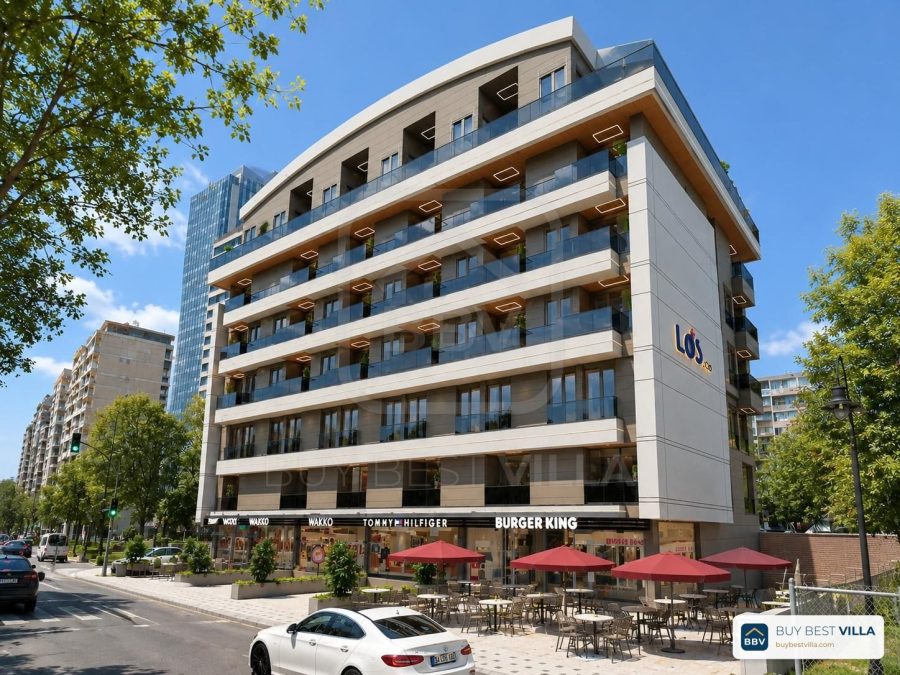
Los Tigres
A boutique development in Sarısu, Konyaaltı, with a pool and covered parking: 1+1 units usable as home or office, plus ground-floor and rooftop duplexes. Delivery August 2027.
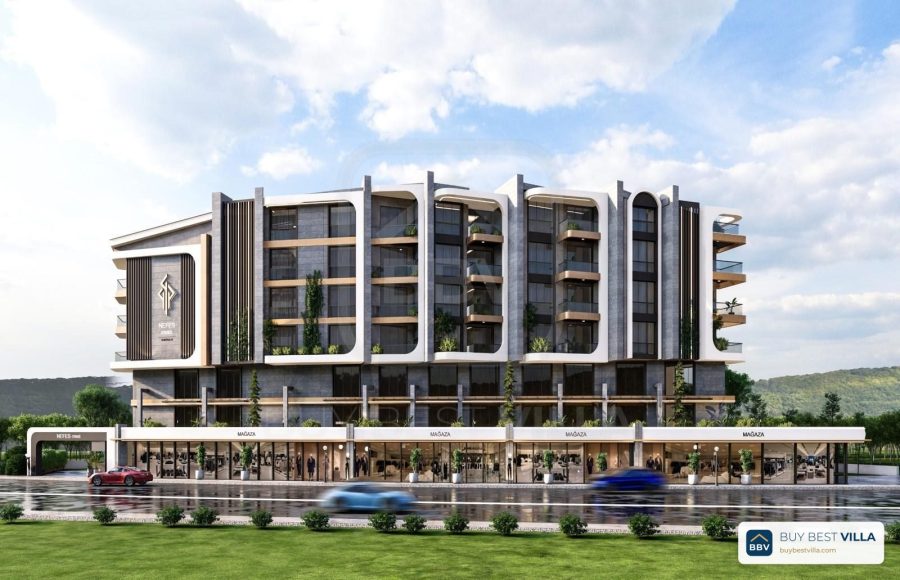
Nefes Corner
A boutique corner-plot project with a pool garden and 44 units: ground + mezzanine duplexes, 1+1 and 2+1 flats and roof duplexes.
Nefes Premium
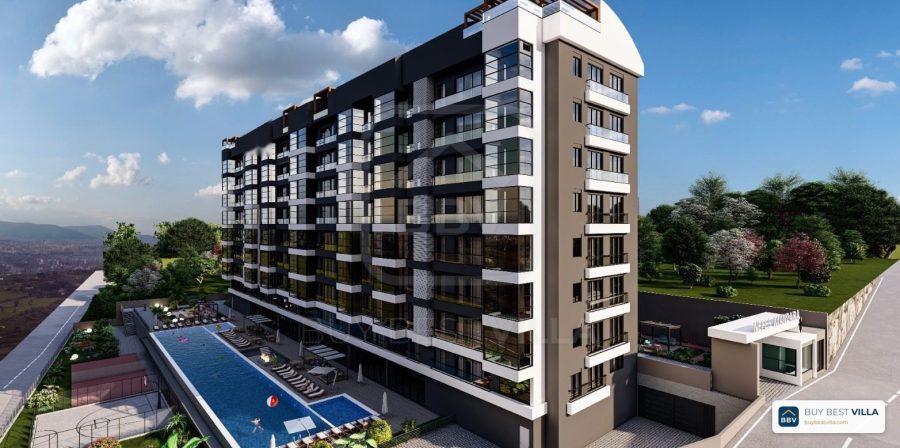
A three-block, 56-unit residence in Kepez with a 350 m² pool, tennis court, jogging track, garden duplexes and penthouse duplexes with private pools. From 2+1 to 4+1.