What Is an Energy Performance Certificate (EKB) and Why It Matters When Buying a Home
The EKB rates a building's energy performance from A to G. Who needs one, how long it is valid, how to check it and how to read it when buying.
Short answer: The Energy Performance Certificate (EKB, Enerji Kimlik Belgesi) is the official document that rates a building or unit from A to G. For new buildings it is part of the occupancy permit process; the regulation also expects a certificate to exist for sales and lettings, with a copy given to the buyer or tenant. For a buyer it is a practical way to see heating and cooling needs in advance.
When buying a home people look at price, location and size; energy performance, which drives the electricity, gas and air-conditioning bills you will pay every year, often comes last. In Antalya, summer cooling and winter damp and heating show up in the budget. The EKB gives a neutral starting point. This article explains what it is, who prepares it, how to check it and what to look for.
What is the EKB and what does it show?
The EKB shows a building's energy demand and consumption class. According to the regulation's definition it contains at least the building's energy need and consumption classification, insulation properties and the efficiency of heating and/or cooling systems. There are seven classes, A to G: A is the highest performance and G the lowest.
The legal basis is Energy Efficiency Law No. 5627 and the Regulation on Energy Performance of Buildings (BEP). The regulation is issued under the Ministry of Environment, Urbanisation and Climate Change and is amended from time to time; the latest amendment was published in the Official Gazette on 16 May 2026. For the current text, check mevzuat.gov.tr.
Who needs one?
- New buildings: for buildings with a permit issued after 1 January 2011 the EKB is part of the occupancy permit (iskân) process; no permit is given without an approved EKB. New buildings must reach at least class C.
- Existing buildings: for buildings permitted before 2011 the certificate shows current performance, with no minimum class. A D or E alone does not block a sale.
- Sales and lettings: the regulation requires an EKB to have been issued for sales, purchases and lettings, and the owner gives a copy to the buyer or tenant.
- Exemptions: industrial production buildings, structures used for under two years, buildings under 50 m², greenhouses, workshops and similar structures are outside scope.
In practice, whether a land registry office always asks for the certificate at the sale can vary. That does not mean you cannot ask: as a buyer, requesting it from the seller is reasonable and consistent with the legal framework.
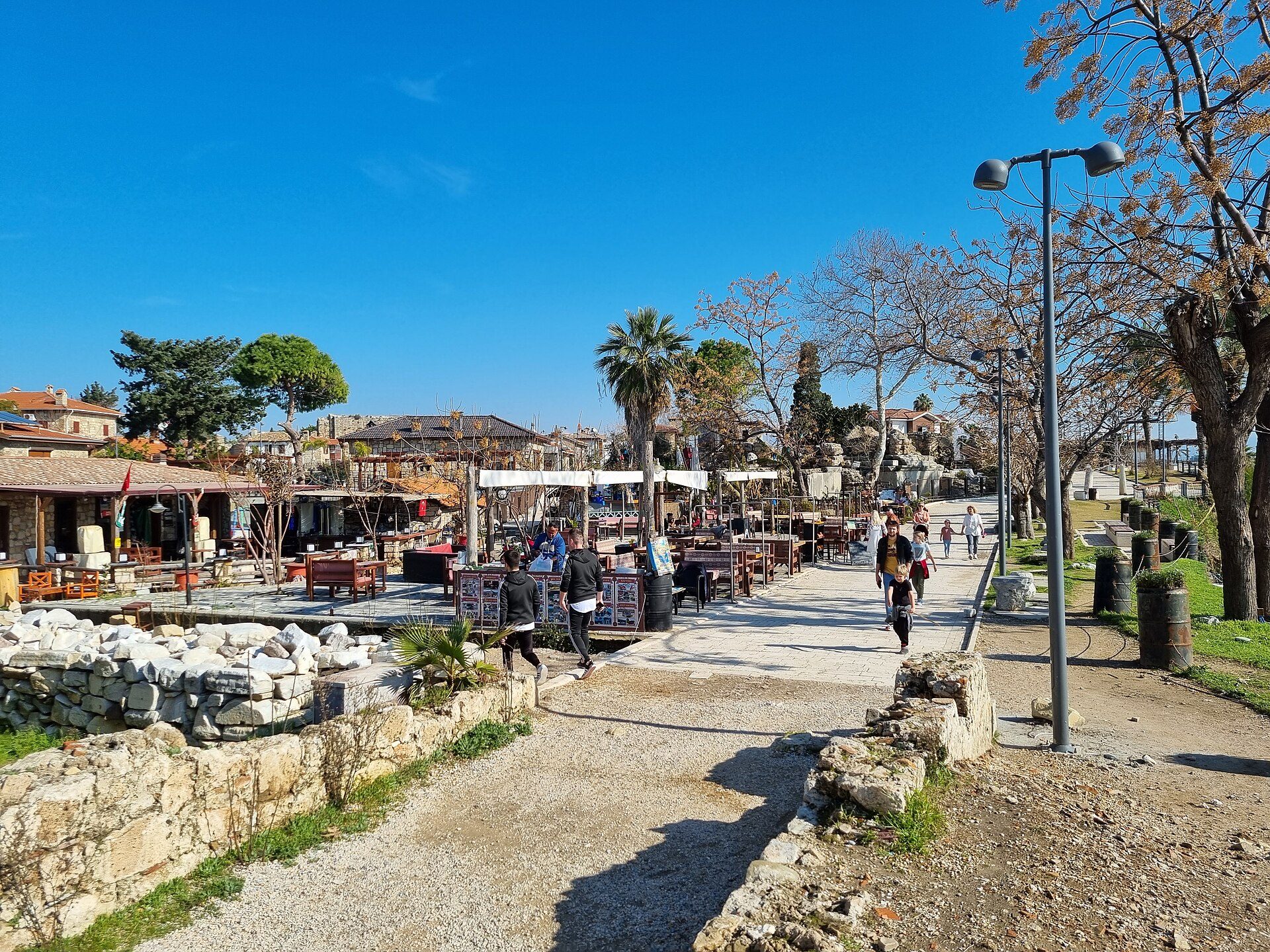
Photo: Maksym Kozlenko / CC BY-SA 4.0 — Wikimedia Commons
Validity and updates
An EKB is valid for 10 years from issue. If a major renovation changes the building's annual primary energy need (external insulation, boiler replacement, a change of heating system), it must be updated. Check the certificate's date and whether the building has had major work since.
Who prepares it and how is it checked?
Authorised EKB experts and organisations issue it with the BEP-TR software, and it must be approved in the official system. You can verify a certificate through the Energy Performance Certificate Query service on e-Devlet; use it to confirm that a paper certificate is really registered.
The title record can also be checked via e-Devlet; see our TAKBİS guide.
How to read an EKB when buying
- Class and date: is it valid, and has the building changed since?
- Heating and cooling system: combi boiler, central heating or air conditioning? See our listing-reading guide.
- Insulation: façade cladding, glazing and roof insulation directly affect the class. For Antalya, see our summer heat article and our winter damp article.
- New or old: new buildings are expected to reach C or better; a second-hand home may score lower, which can be an insulation-upgrade opportunity. See new versus second-hand.
- Real consumption: the class is a calculation; your actual bills depend on how you live. Ask the seller for last year's electricity, water and gas bills.
Short questions for the seller
- Has an EKB been issued, and what are its date and class?
- Can we check it together on e-Devlet?
- Has façade insulation, the boiler or air conditioning been replaced since?
- How have monthly energy bills looked over the past year?
- Can the management tell us about shared systems such as central heating or solar power?
Value and mortgage effects
Homes with a better class can be cheaper to run and may attract more interest. In past BDDK mortgage rules the energy class has been one of the criteria for the loan-to-value ratio; as conditions change, ask your bank how the EKB affects its valuation, and see how to apply for a home loan. We make no numerical claims; we only note that loan terms may be linked to this certificate.
How it relates to other documents
Read the EKB together with the occupancy permit, DASK and the title record; none replaces another:
- Occupancy permit: shows the building is fit for use. See our occupancy permit article.
- DASK: compulsory earthquake insurance. See our DASK article.
- Handover: when taking delivery of a new flat, check the EKB is in the handover file; see the handover checklist.
A note on the 2026 amendment
The 16 May 2026 amendment requires the preliminary calculation form for new buildings to be prepared by authorised EKB experts, and for buildings of 10,000 m² or more, a building life-cycle analysis certificate to be submitted with the EKB at the occupancy permit stage (the life-cycle provisions take effect on 1 January 2027). These mainly concern large new projects; when buying a single flat the certificate's validity and class are your first checks.
Conclusion
The EKB is one of the most practical ways to see a home's energy performance in advance: look at class, date and insulation, verify on e-Devlet and weigh it with ownership costs. For the full yearly picture see the yearly costs of owning a home. For the process, see buying a home in Antalya, instalment options and our projects. Feel free to write to us with questions.
This content is for general information only and is not legal or financial advice. Please consult a professional before making a decision.
Cover photo: Another Believer / CC BY-SA 4.0 / Wikimedia Commons
New-build projects for sale in Antalya
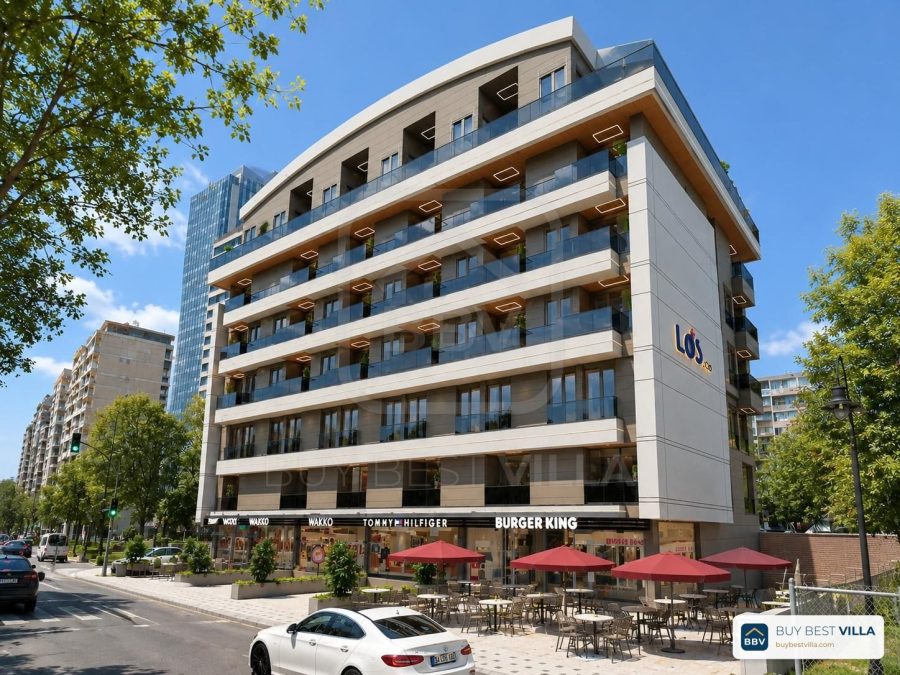
Los Tigres
A boutique development in Sarısu, Konyaaltı, with a pool and covered parking: 1+1 units usable as home or office, plus ground-floor and rooftop duplexes. Delivery August 2027.
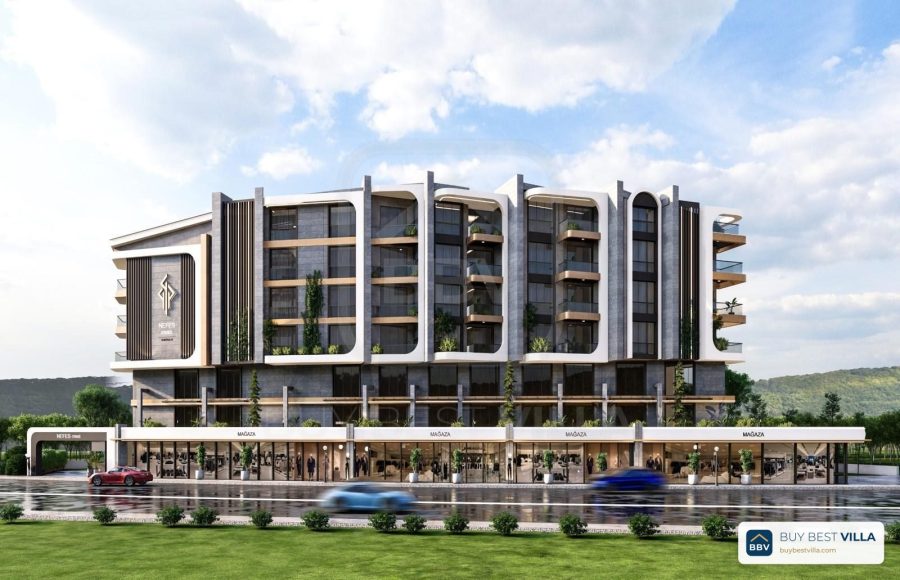
Nefes Corner
A boutique corner-plot project with a pool garden and 44 units: ground + mezzanine duplexes, 1+1 and 2+1 flats and roof duplexes.
Nefes Premium
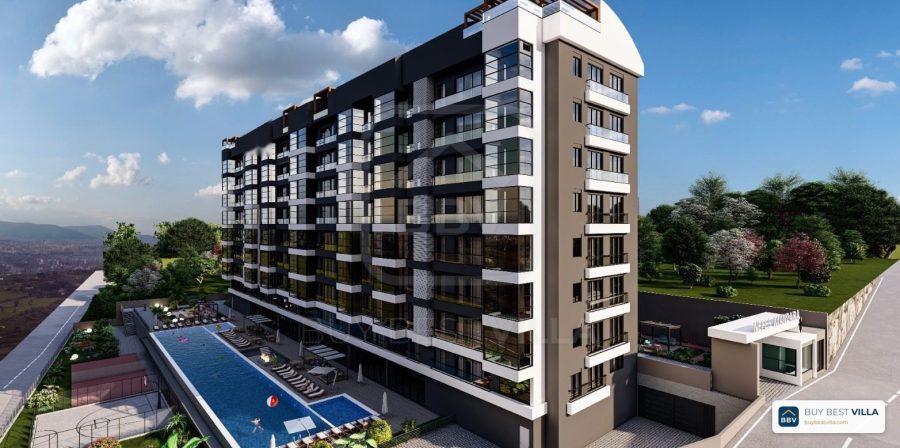
A three-block, 56-unit residence in Kepez with a 350 m² pool, tennis court, jogging track, garden duplexes and penthouse duplexes with private pools. From 2+1 to 4+1.