Applying for a home loan in Türkiye: steps and required documents
A home loan application moves from budget to appraisal, contract and mortgage registration. We list the steps, the usual documents and the points to check before you apply.

A home loan is the decision most buyers think about the longest. The process differs slightly from bank to bank, but the skeleton is almost the same everywhere: first a budget and pre-assessment, then documents, an appraisal, the contract and finally the mortgage registered at the land registry. This guide walks through the steps in order, lists the documents usually requested and points out where an application can get stuck. We do not quote interest rates or loan amounts; they change constantly and should be taken from the bank's current offer.
1. Budget and down payment
Before applying, answer three questions: how much can I put down, how much can I comfortably commit to monthly instalments, and how much cash do I need for purchase costs? As banks' own pages explain, the loan you can use depends not only on your income but also on the appraised value of the home and, in some cases, on your existing property ownership. Besides the down payment, leave room for the title deed fee, insurance and other transaction costs. If you are preparing your first budget, our article on compact flats for first-time buyers and budget planning gives a framework.
2. Credit score and pre-assessment
In the first stage the bank assesses your income, existing debts and credit history. One bank page notes that a credit score above a certain threshold is generally expected for a home loan, but this threshold varies between banks and over time. At this stage most banks give a pre-approval through online banking, a mobile app or a branch. A pre-approval is not a final loan; it becomes firm after the appraisal and document checks.
3. Documents usually requested
Banks may ask for extra documents in some cases, but the general list is:
- Identity document: ID card, driving licence or passport.
- Proof of residence.
- Proof of income: payslips for employees; tax certificate and financial records for the self-employed.
- Additional income documents (if any): such as a rental contract or title deed.
- Property documents: the title deed or the floor-easement/condominium document, plus the occupancy permit (iskân) or construction licence.
Some banks also ask for a family registry extract. It is best to confirm your bank's current list at a branch or on its website before applying.
4. Is the property eligible?
Many applications stall not on income but on the property itself. Bank guides stress these conditions: the title should be condominium ownership (kat mülkiyeti) or floor easement (kat irtifakı); plain land titles generally do not qualify for a home loan; blocking entries such as an attachment, a mortgage or a demolition order must be removed first; and the building should have an occupancy permit or have reached the completion level set by the bank's appraiser (one bank page cites a percentage, but figures differ by bank). With co-ownership, all owners must sign the mortgage. So check the deed and its entries before falling in love with a flat; our companion article on reading encumbrances on a title deed explains how. We also covered the occupancy permit in what the iskân document is.
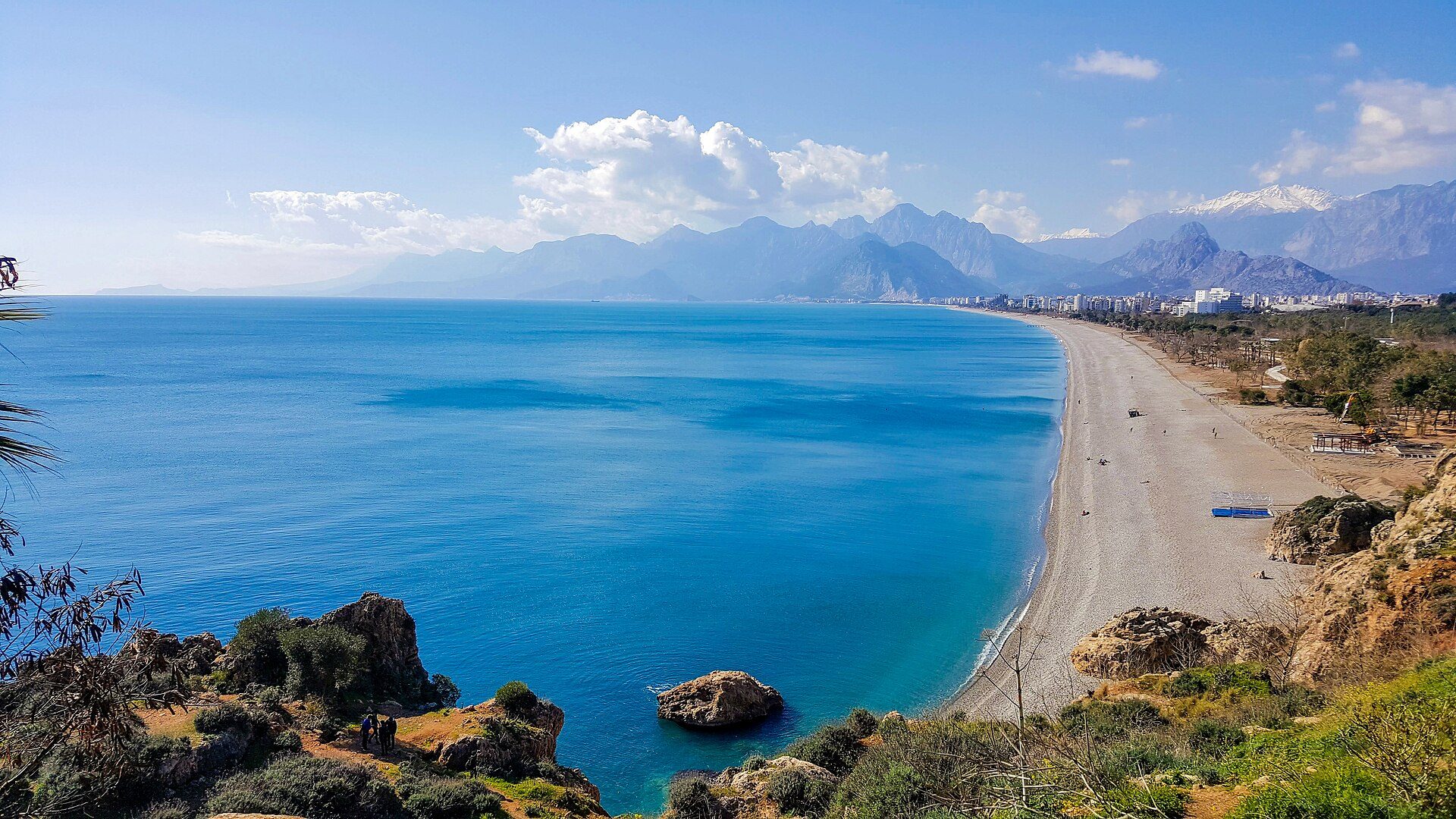
Photo: Esginmurat / CC BY-SA 4.0 — Wikimedia Commons
5. The appraisal
The bank appoints an affiliated appraisal company to determine the property's value. The report covers not only market value but also the deed status, occupancy status and physical features. The amount you can borrow is set according to this report. One bank guide says the appraisal usually takes a few working days. To see how the report is prepared, read what a valuation report is. For homes still under construction, some banks can base the assessment on the price in the sales promise contract; this depends on the bank and project.
6. Approval, contract and insurance
If the appraisal and document checks are positive, the bank gives final approval and the loan agreement and repayment plan are signed. Before signing, pay attention to these points:
- Total cost: Compare the interest rate together with file fees, insurance and other charges. Ask the bank for a written offer and repayment plan.
- Insurance: Many banks require DASK, and often home insurance, for a mortgage. Life insurance is usually described as optional. What DASK covers is explained in what DASK is, and how it differs from home insurance in our article on home and contents insurance.
- Early repayment: According to a finance guide, the early repayment fee cannot exceed 1 percent of the amount repaid for loans with under 36 months remaining and 2 percent for longer ones. Check the current rule in your contract and the bank's information form.
7. Title deed and mortgage
After the contract, a land registry appointment is booked, the title deed fee and service charges are paid, and the bank's mortgage is registered when the transfer is made. At this stage the office usually asks for ID, a power of attorney if any, the DASK policy and the fee receipt. We described the day in what happens on title deed day.
A note for foreign buyers
Foreign nationals face separate conditions when using a mortgage in Türkiye. For the current picture, see can foreigners get a mortgage in Türkiye.
A short checklist before applying
- Put your down payment and instalment budget into a simple table.
- Get written offers from more than one bank and compare total cost.
- Check the deed, its encumbrances and the occupancy permit beforehand.
- Prepare your documents completely and confirm the bank's current list.
- Read the early repayment and insurance terms before signing.
If you also want to look at instalment sales from developers, see our page on instalment homes. Feel free to write to us with any questions.
This content is for general information only and is not legal or financial advice. Consult a qualified professional before making a decision.
Cover photo: Naval S from Berlin / CC BY 2.0 — Wikimedia Commons
New-build projects for sale in Antalya
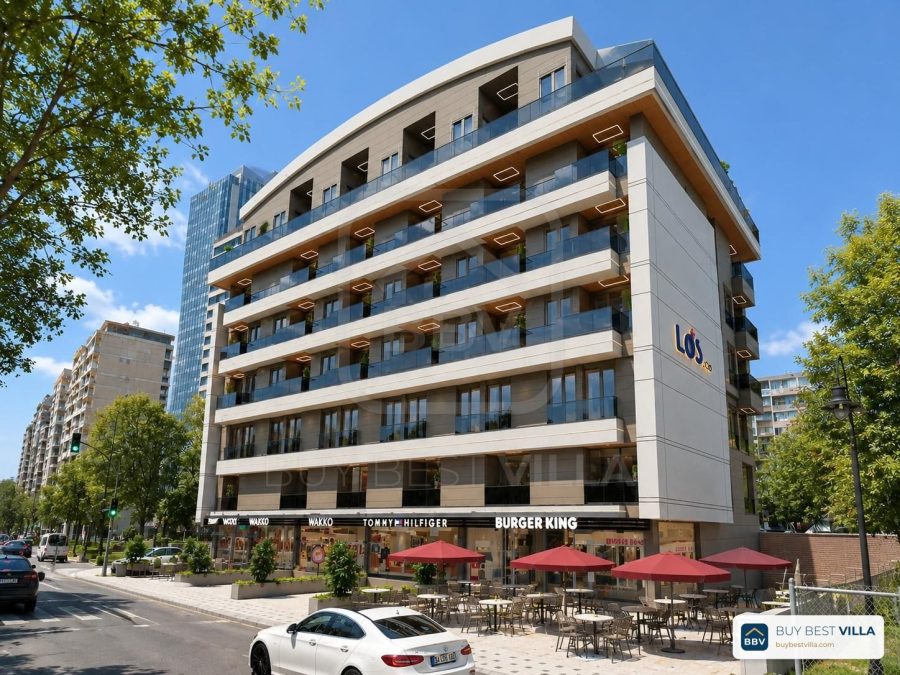
Los Tigres
A boutique development in Sarısu, Konyaaltı, with a pool and covered parking: 1+1 units usable as home or office, plus ground-floor and rooftop duplexes. Delivery August 2027.
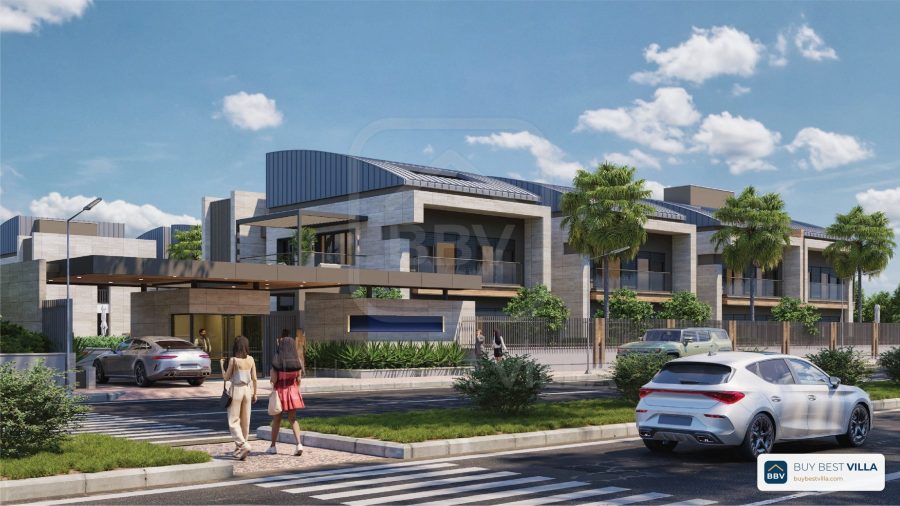
Coordinat 24
A boutique development of 2 blocks and 20 homes in Molla Yusuf, Konyaaltı: 2-bedroom garden flats and 3-bedroom duplexes with pool, gym, sauna and covered parking.
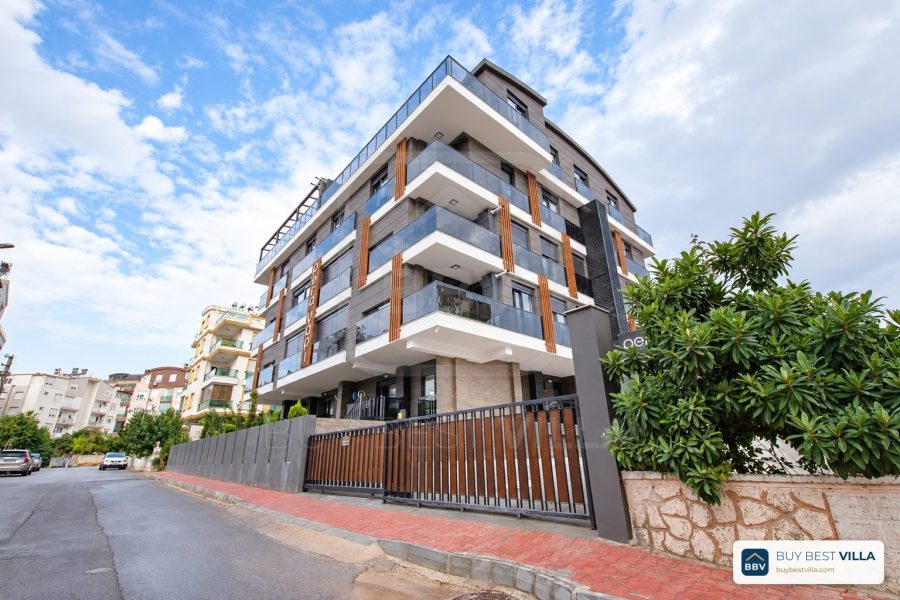
Pera New Life
A boutique project in Pınarbaşı, Konyaaltı: ground + 2 + duplex floors, 16 units — 2+1 and 3+1 reverse duplexes and 4+1 duplexes.