Antalya cuisine: piyaz, şiş köfte, hibeş and geographically indicated local flavours
Registration details of Antalya piyaz, the pumpkin dessert and serpme börek, plus şiş köfte, hibeş and other regional flavours, explained simply and with sources.
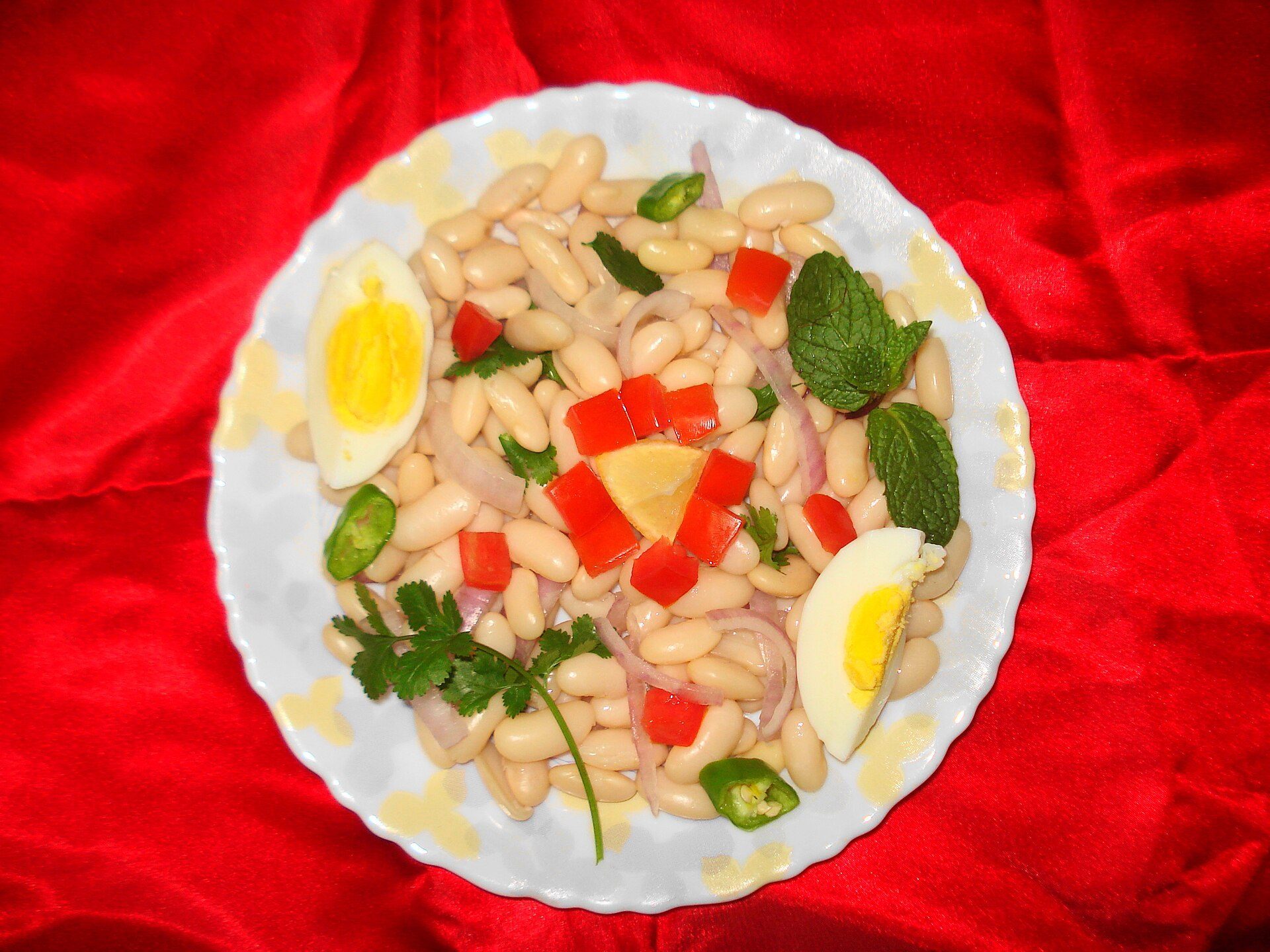
One of the nicest parts of living in a city is getting to know its cuisine. When people think of Antalya food they often think first of seafood, but the local table is a much wider world shaped around tahini, dried pulses, regional pastries and meat cooked over wood fire. In this post we describe Antalya's best-known flavours, relying as far as possible on official registration records and reliable sources. We do not recommend restaurants; our aim is for you to sit down at the table knowing what the dishes are called.
Antalya piyaz: white beans with tahini
Often seen as the symbol of Antalya cuisine, piyaz differs from the familiar bean salad made with onion and olive oil; the distinctive feature of the Antalya version is its tahini sauce. According to the Küre Encyclopaedia, Antalya piyaz has a geographical indication registered as an indication of origin (mahreç işareti) under the name "Antalya Piyazı": registration number 315, registration date 29.12.2017, applicant Antalya Chamber of Commerce and Industry. Its origins are said to go back about a century.
- Main ingredient: Small-grained, matt, veined "sıra" dried beans. Çandır beans were historically used too, but because their production is limited today, the sıra type is more often preferred.
- Tarator sauce: Made with tahini, garlic, rock salt, lemon juice, grape vinegar and water. The consistency of the sauce is considered one of the key points.
- Garnish: Tomato, optionally boiled egg, parsley, onion and olive oil. Some recipes add chilli flakes and black pepper.
CNN Türk reports that piyaz is part of the "famous trio" usually eaten with grilled meatballs and the walnut-and-tahini pumpkin dessert, and that it is a staple of iftar tables in Ramadan.
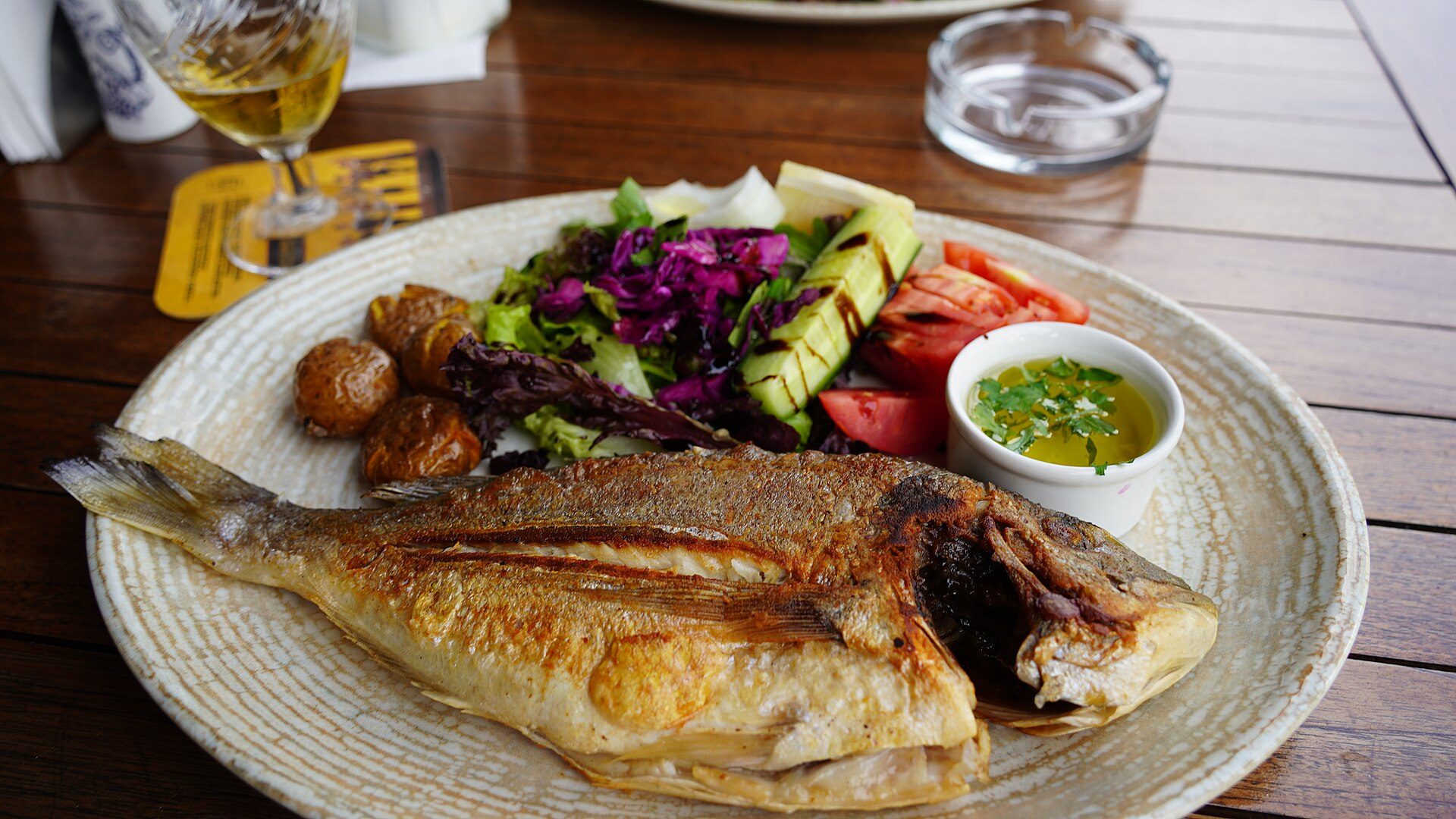
Photo: Miguel Discart / CC BY-SA 2.0 — Wikimedia Commons
Şiş köfte: Antalya style over wood fire
Served alongside piyaz, şiş köfte is listed in Wikipedia's Antalya entry among the city's signature dishes: spiced meatballs cooked on a skewer. The Nomado Travel guide says Antalya's şiş köfte is mostly made with lamb rather than beef, while the Etstur guide says lamb or goat is grilled over oak. In Antalya it is usually served with tahini-based sides. In short, think of piyaz and şiş köfte as a regional meal.
Hibeş: a tahini meze
Hibeş is a thick, hummus-like meze made with tahini, garlic, cumin and lemon. The Etstur guide says it is finished with sizzled chilli flakes in oil, while Nomado Travel warns about the garlic and notes that, being meat-free, it can also work as a vegetarian meal. It is eaten with bread.
Antalya pumpkin dessert: a geographically indicated sweet
The tahini-and-walnut pumpkin dessert is registered at the Turkish Patent and Trademark Office as "Antalya Kabak Tatlısı", an indication of origin: registration number 719, registration date 12.04.2021, applicant Antalya Chamber of Commerce and Industry. According to the registration's definition, the dessert is made by simmering peeled honey-pumpkin slices in sugar and then roasting them; the recipe also uses double-roasted tahini and walnuts. The pumpkin must come from Camili village in Döşemealtı and the tahini from sesame grown in Manavgat, with all production stages within Antalya province. It is said to be at its best in autumn, when local pumpkins are harvested.
Antalya serpme börek
Another geographical indication is Antalya serpme börek: registration number 736, registration date 26.04.2021. According to the registration text this pastry, formerly called "fıtır börek", is served at weddings, mevlit gatherings and funerals. The dough is made from flour, salt, water and butter or sunflower oil, and stretched by hand to paper thinness without a rolling pin. Traditional fillings are minced meat or cheese. It is baked in an oven at 200–220 °C for up to 10 minutes.
Other flavours of the coast and the mountains
The Etstur and Nomado Travel guides to Antalya also mention these local flavours:
- Kulaklı soup and paça soup: A traditional soup of spiced meat broth with folded dough pieces, and paça finished with a lemon-and-egg sauce and saffron.
- Toros salad: Grilled aubergine and peppers with fresh herbs, named after the Taurus Mountains.
- Leğen kömbesi: A dense Yörük bread baked on a round griddle, eaten warm with cheese or olives.
- Yanık ice cream: A caramel-flavoured ice cream made from goat's milk in Korkuteli.
- Seafood: Coastal options such as fried red mullet, fried squid and stuffed mussels.
Some dishes mentioned in guides (for example tahinli ekmek) do not appear in any official source we could verify, so we do not describe them in detail here.
How to discover local flavours in daily life
If you live in Antalya, the best way to explore local food is to visit the weekly markets and get to know seasonal produce. For market culture and local products see our guide to Antalya's neighbourhood markets and local produce. If you wonder what share food takes in daily expenses, the cost of living in Antalya breaks the budget down by category. For a walk after dinner, a one-day walking route through Kaleiçi is a good choice.
Conclusion
Antalya cuisine centres on tahini, beans, wood fire and regional pastries, moving between coast and mountain. Three products (piyaz, the pumpkin dessert and serpme börek) are registered with geographical indications by the Turkish Patent and Trademark Office. The best guide to food is still the locals and the season; when you know what is on the table, you understand the region better. If you are thinking of living in Antalya, see our guide to buying a home in Antalya and projects page for areas and homes, and feel free to write to us with questions.
Sources: Küre Encyclopaedia (Antalya Piyazı), CNN Türk, Turkish Patent and Trademark Office geographical indication records (Antalya Kabak Tatlısı, Antalya Serpme Böreği), Mynet/ATSO report, Wikipedia (Antalya), Etstur and Nomado Travel Antalya food guides.
Cover photo: Miansari66 / CC0 — Wikimedia Commons
New-build projects for sale in Antalya

Terra Doğa
A 42-villa community in Düzlerçamı next to Termessos National Park: two-storey 5+1 villas with private pools, shared pool, tennis court, spa and hamam.
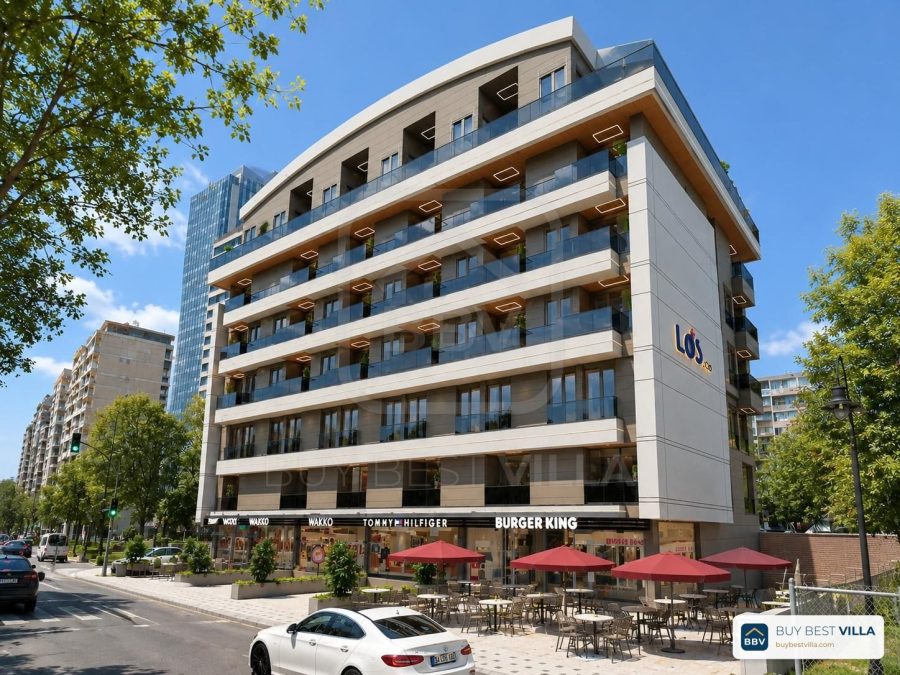
Los Tigres
A boutique development in Sarısu, Konyaaltı, with a pool and covered parking: 1+1 units usable as home or office, plus ground-floor and rooftop duplexes. Delivery August 2027.

Nefes Corner
A boutique corner-plot project with a pool garden and 44 units: ground + mezzanine duplexes, 1+1 and 2+1 flats and roof duplexes.