Rental Yield and 12-Month Demand in Antalya: The Impact of Conference Tourism
How many months of the year does a property in Antalya generate income? The impact of autumn conferences and COP31 on the season, calculations of gross and net returns, and the rules on short-term lettings under Law No. 7464.
The question that most interests investors in Antalya is this: for how many months of the year does this property generate income? COP31 and the autumn conferences have the potential to extend the tourist season in Antalya beyond the traditional summer holiday period. In this article, we look at how the season is extending, how rental income is calculated, and the rules governing short-term lettings. For the summit itself, see our COP31 Antalya Guide; for regional information, see our article Antalya After COP31.
Updated: 26 October 2026
Is the season getting longer?
Antalya’s autumn 2026 calendar is dominated by conferences: the 77th International Astronautical Congress from 5–9 October, COP31 from 9–20 November, and the International Asian Seed Congress from 1–5 December. These events are supporting demand for accommodation during the end-of-season months, which normally see a slowdown.
Hakan Saatçioğlu, President of the Professional Hotel Managers’ Association, said that many hotels postponed their closing dates last year and that hotels are likely to close later this year as well. Kaan Kavaloğlu, President of AKTOB, also noted that COP31 would extend the accommodation season.
Furthermore, 2026 is proving to be a challenging year: according to figures reported in the press, over 10 million foreign tourists visited Antalya between 1 January and 21 August, but the AKTOB President noted that this figure is approximately 6 per cent below last year’s level. Consequently, conference tourism should be viewed as a means of helping to offset these losses, rather than as a sufficient solution in its own right.
How is rental yield calculated?
Gross yield (%) = Annual rental income ÷ Purchase price × 100
Net yield (%) = (Annual rental income − Annual expenses) ÷ Total investment cost × 100
Expenses include service charges, property tax, home and earthquake insurance, maintenance, periods of vacancy, management or agency fees, and tax on rental income. The gross figure is the figure on the surface; the net figure is what actually ends up in your pocket. For calculations of the rent multiple and payback period, see our article ‘Calculating the rent multiple and payback period when buying a property for investment’. For small flats, please refer to our analysis ‘Is a 1+1 flat a good rental investment?’.
Hypothetical example (this is not a guarantee of return or price information; it is presented using simplified units solely to illustrate the formula; actual figures will vary depending on the project and location):
- Purchase price: 100 units
- Annual gross rent: 6 units (0.5 units per month × 12)
- Gross yield: 6.0 per cent
- Annual expenses (service charges, tax, insurance, maintenance, periods of vacancy): 1.2 units
- Annual net income: 4.8 units
- Net yield: 4.8 per cent
Which income model is right for you?
- Long-term let: More predictable, spreads the income over 12 months. Low management burden; residential tenancy law applies. For more details, see Renting out your property in Antalya: long-term or holiday lets?
- Short-term holiday let: Income fluctuates seasonally but can be high during peak periods. The management workload is high (bookings, cleaning, guests). A licence and the unanimous consent of the building’s co-owners are required.
- Own use + letting during vacant periods: Flexible, with limited income and a moderate management burden. Legal requirements vary depending on the type of letting.
Short-term letting: What you need to know under Law No. 7464
- Scope: The letting of residential properties for a maximum of 100 days is classified as ‘tourism-purpose letting’. Lettings exceeding 100 days are not covered by this Act.
- Permit: It is mandatory to obtain a permit from the Ministry of Culture and Tourism before entering into a tourism-purpose rental agreement.
- Co-owners: The application requires a unanimous decision by all co-owners of the building in which the independent unit is situated. There are exceptions for certain situations, such as detached houses; please check with your solicitor to confirm which situation applies to your project.
- Intermediary platforms: E-commerce intermediary service providers may not act as intermediaries for the tourism-related letting of properties without a permit.
- Entry into force: The Act was published in the Official Gazette dated 2 November 2023 (Issue No. 32357); the provisions regarding the permit came into force on 1 January 2024.
Therefore, investors considering short-term lettings should check the status of the building’s co-owners and the management plan before making a purchase decision. For how the law applies to hotel-concept developments, see our article Hotel-concept developments in Kundu and Law No. 7464.
Declaration obligations may arise when rental income is received; see Rental income declaration in Antalya. For the rent increase cap on residential lettings, please also review our article on the current rent increase cap.
6 questions for investment buyers
- Who is the target audience: local tenants, foreign workers, or tourists?
- Is the location suitable in terms of the airport, AntRay, city life and the sea? (see Antalya After COP31)
- What is the property’s energy rating and utility bill burden? (see COP31 and the green transition)
- Is there potential for resale to foreign buyers? (see Interest from foreign buyers due to the COP31 effect)
- Are vacancy periods and management costs included in your calculations?
- How is the real return affected if the rent increase falls below the rate of inflation?
Frequently Asked Questions
What is the rental yield in Antalya? There is no single figure; it varies depending on the area, property type, season, management fees and actual rental rates. Calculate it using the formula above with current rental listings in your target area.
Will COP31 lead to an increase in rental prices? The summit primarily supports hotels and short-term stays. For long-term rentals, the key determinants are local demand, the economy and supply; the summit’s impact will become apparent in the coming months through data.
What is required to let a property on a short-term basis? A licence from the Ministry of Culture and Tourism and the unanimous consent of the building’s co-owners; there are exceptions for certain types of accommodation.
This content is for information purposes only; it does not constitute investment or legal advice. Legislation and figures are subject to change; please verify the current regulations with the relevant authorities and a solicitor before proceeding.
Sources
- Milliyet – Three major summits filled Antalya’s hotels
- Hürriyet Bigpara – COP31 gives tourism a boost
- Alomaliye – Law No. 7464 on the Rental of Residential Properties for Tourism Purposes (Official Gazette, 2 November 2023, No. 32357)
- Harbiye Law – The Airbnb Law: Law No. 7464 and the requirement for a licence
- Kazım Ceylan, Solicitor – The Airbnb Law (No. 7464)
- Legal News – Short-term residential lettings and exemptions
- Ministry of Culture and Tourism – Guide to the Permit Certificate for Residential Properties Rented for Tourism Purposes
New-build projects for sale in Antalya
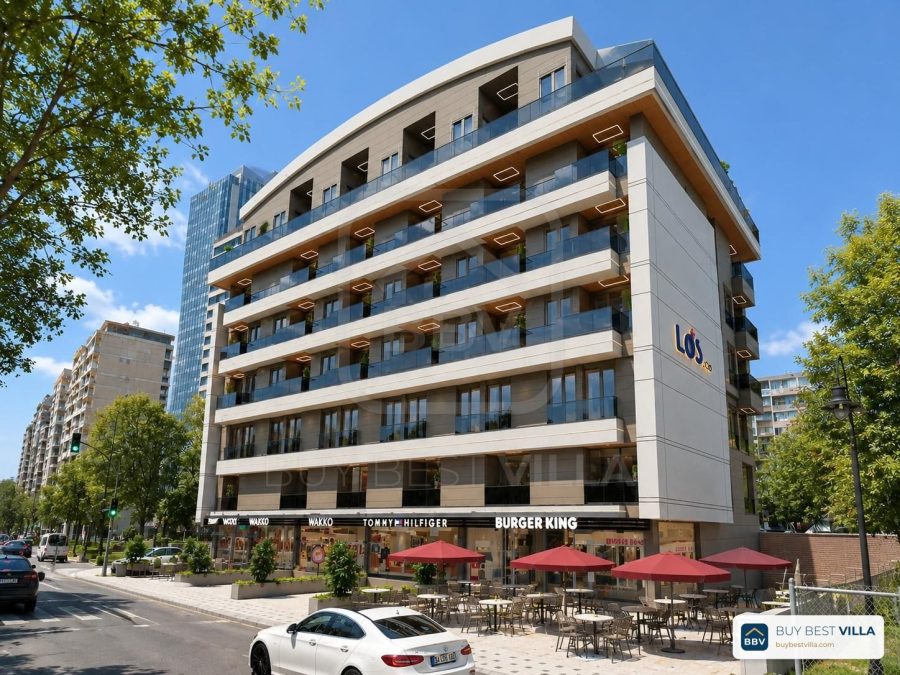
Los Tigres
A boutique development in Sarısu, Konyaaltı, with a pool and covered parking: 1+1 units usable as home or office, plus ground-floor and rooftop duplexes. Delivery August 2027.

Nefes Corner
A boutique corner-plot project with a pool garden and 44 units: ground + mezzanine duplexes, 1+1 and 2+1 flats and roof duplexes.
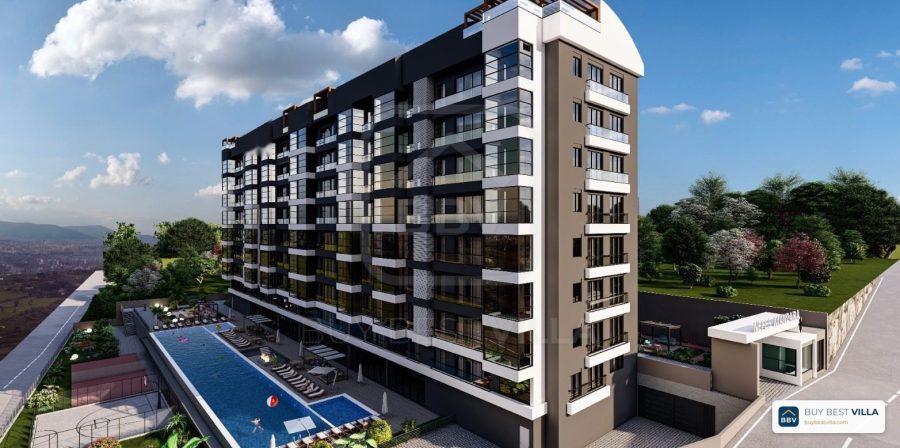
Nefes Premium
A three-block, 56-unit residence in Kepez with a 350 m² pool, tennis court, jogging track, garden duplexes and penthouse duplexes with private pools. From 2+1 to 4+1.