Living in Antalya with a pet: building rules, vets and everyday outdoor life
A calm guide for anyone moving to Antalya with a cat or dog: microchip registration, building and complex rules, choosing a vet and organising daily walks.
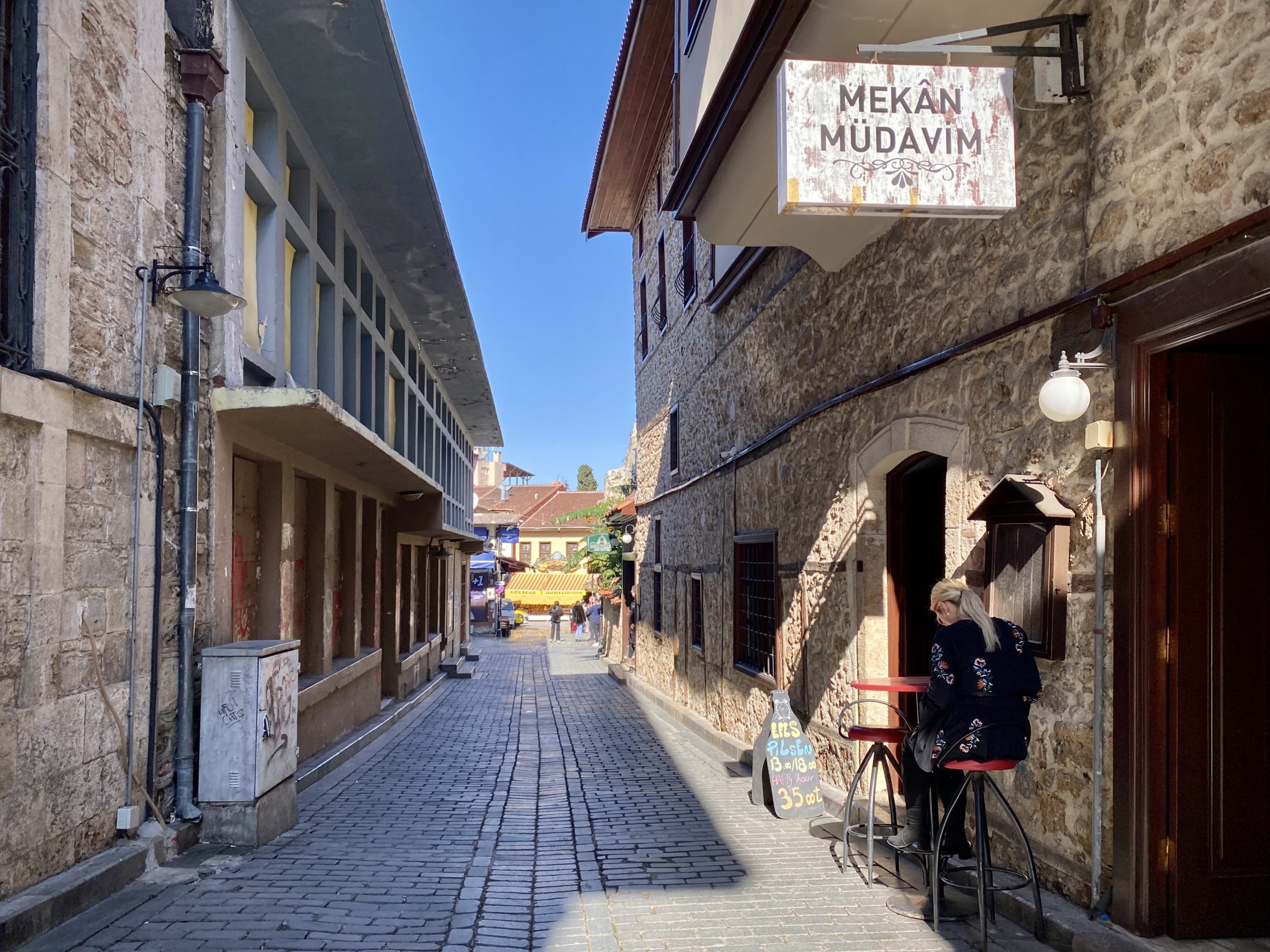
Plenty of people moving to Antalya want to bring a cat or dog with them, and for most the real question is not "can I find a home?" but "can I live comfortably with my animal in this flat and this complex?" The answer means thinking about the legal framework, building rules, daily care and the details that come with the climate. In this article we summarise the general picture without exaggeration.
Registration first: microchip and PETVET
According to a statement by the Ministry of Agriculture and Forestry dated 27 December 2022, owned cats, dogs and ferrets must be microchipped and recorded in the Pet Animal Registration System (PETVET). The microchip is a passive chip implanted under the skin; when scanned with a reader, its 15-character code leads to the animal's record. The record holds the animal's name, species, breed, colour and date of birth together with the owner's details, and vaccinations, ownership changes and loss reports are processed in the same system.
The statement also lists some deadlines: a lost pet should be reported within 7 days, a change of ownership completed within 60 days, and a death reported within 30 days. Travelling abroad with a pet also requires a microchip, passport and PETVET registration. Because penalties and deadlines can be updated, we recommend confirming current practice with your vet or the provincial agriculture directorate.
The owner's legal responsibilities
Under Article 5 of the Animal Protection Law No. 5199, an owner must meet the species-specific needs of the animal, look after its health, prevent pollution and nuisance, and compensate for damage caused when adequate precautions are not taken in time. Article 14 of the law prohibits ill-treatment and abandoning a pet. In other words, a neighbour's complaint usually rests not on the mere presence of the animal but on a concrete disturbance such as noise, smell or the cleanliness of shared areas.
Building and complex rules: is there a ban?
The sentence heard most often is "pets are banned in our complex." According to summaries by law firms, Turkish law has no general ban on keeping pets; restrictions can appear in the management plan, but a blunt statement such as "pets are prohibited" is not automatically treated as valid. It is reported that the Court of Cassation (Yargıtay) accepted such clauses in the past, while more recent decisions show a more flexible approach. In addition, Article 18 of the Condominium Law (Kat Mülkiyeti Kanunu) requires owners to follow the management plan, and Article 28 says the management plan acts as a contract binding all owners; these obligations are also treated as applying to tenants and other occupants.
Points that work in practice:
- Ask for the management plan before buying or renting. If there is a clause on animals, see it up front.
- Management cannot remove an animal by itself. If a disturbance continues, the route runs through a court decision; a municipal police order or a collection of signatures is not considered enough on its own.
- Reasonable shared-area rules rarely cause trouble. Leashes in lifts and keeping shared areas clean are easier to defend than a blanket ban.
- If you are a tenant, read the lease. A no-pets clause may not be enforceable in every case, but discussing it before signing protects the relationship. For other practical points on running a complex, see our article on aidat and complex fees.
For a definitive position on these matters you need a lawyer; we only convey the general framework.
Type of home: garden, balcony, floor
With a dog, a ground-floor or garden home is a big convenience. Villa life in Döşemealtı and Villa or apartment in Antalya treat this choice from different angles. If you will live in an apartment, think about the lift, the entrance area, balcony safety (netting, especially for cats) and shared walls. In a home with a garden, the height of the fence and the ground temperature need discussing.
Daily walks and outdoor space
For dog owners the daily routine is built around walking. Antalya has large green areas and walking paths in the city; the photo below, a frame from the Expo 2016 gardens, is a reminder of how such large green spaces have been added to the city. The photo does not mean animals are allowed freely there: rules on animals in parks and on beaches can vary by place, season and operator. Check the sign at the entrance, the municipality's current announcement and the operator's rules.
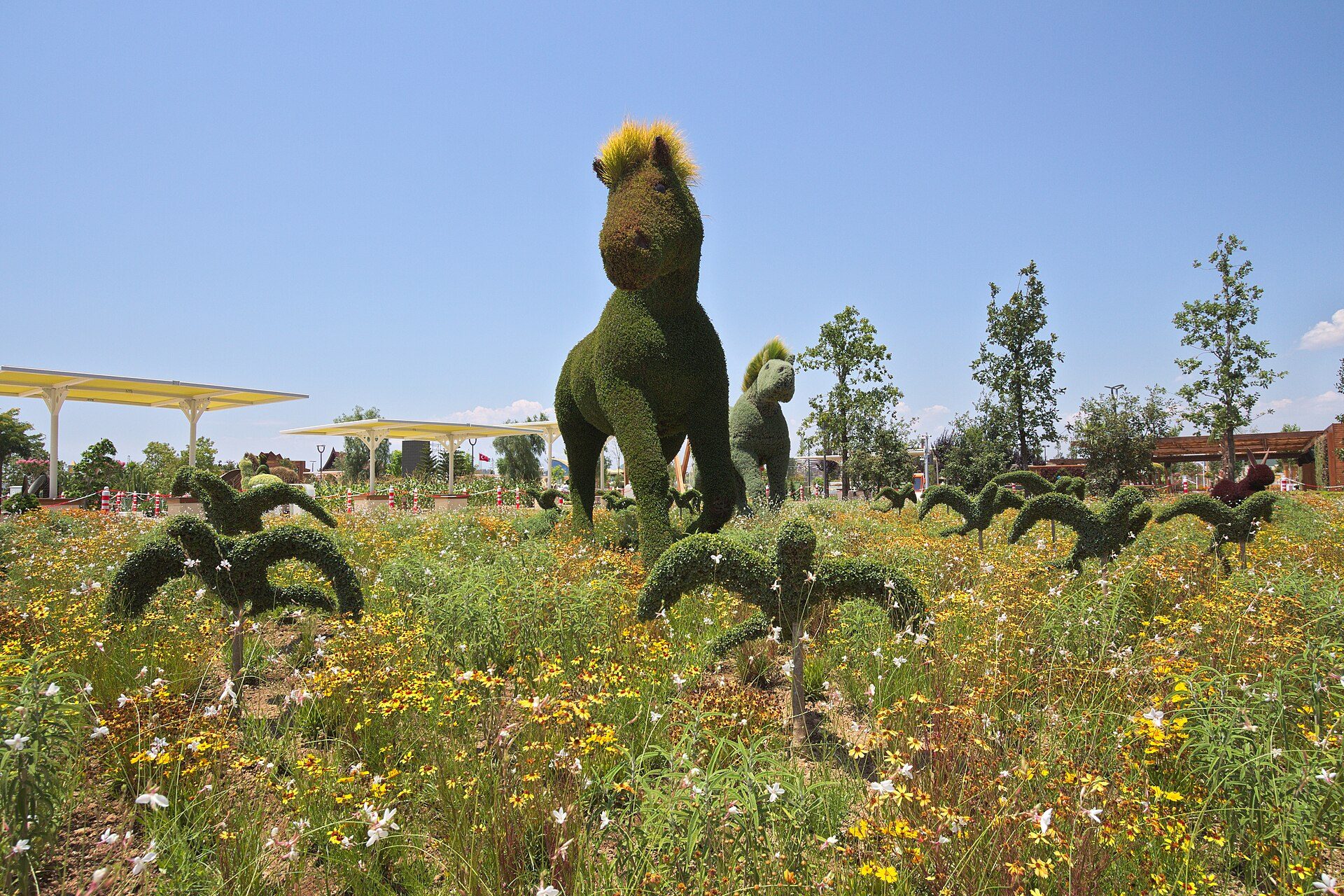
Photo: Hendric Stattmann / CC BY-SA 4.0 — Wikimedia Commons
When looking for walking routes, you can consider places such as Düden Park and its surroundings or the Konyaaltı seafront in relation to where you live. The shared rule everywhere is the same: keep your animal under control, pick up after it and consider other users.
Antalya's climate and animal health
Because summers in Antalya can be hot and humid, the basic precautions are avoiding walks in the hottest hours, always having fresh water on hand and never leaving an animal in a car. Hot asphalt or sand can burn paws. The coolness of the home matters too, and our summer heat guide helps here. In winter, damp and rain can mean wet-fur smells and paw problems for furry animals; our winter guide explains humidity management at home.
Choosing a vet
After you move, make it your first job to get to know a veterinary clinic near your home. The main things to ask about are the vaccination schedule (including rabies), microchip registration, annual check-ups and whether the clinic offers night-time emergency service. We cannot recommend a specific clinic; asking neighbours and checking the provincial agriculture directorate's records is a sounder route. Save the phone number and address for an emergency in advance.
Moving and the first days
When moving into the new home, preparing a quiet room for the animal and keeping its familiar items and feeding routine reduces stress. Because moving day is busy, keeping the animal in a safe room or leaving it temporarily with someone nearby is sensible. For the general moving plan, our moving checklist is helpful.
From the same series: other articles in our Antalya living guide may also help: public beaches and seafront parks, cycling and walking routes and retiring in Antalya.
Conclusion
Living in Antalya with a pet is possible and, for many people, adds pleasure to daily life. Knowing your registration duties and responsibilities, reading the management plan in advance, choosing the right type of home and setting up a routine suited to the climate all make it easier. If you want to factor your animal into your home search, you can start with our page on buying a home in Antalya. You are welcome to write to us with any questions.
This content is for general information only and is not legal or financial advice. Please consult a specialist before making a decision.
Cover photo: Sharon Hahn Darlin / CC BY 2.0 — Wikimedia Commons
New-build projects for sale in Antalya
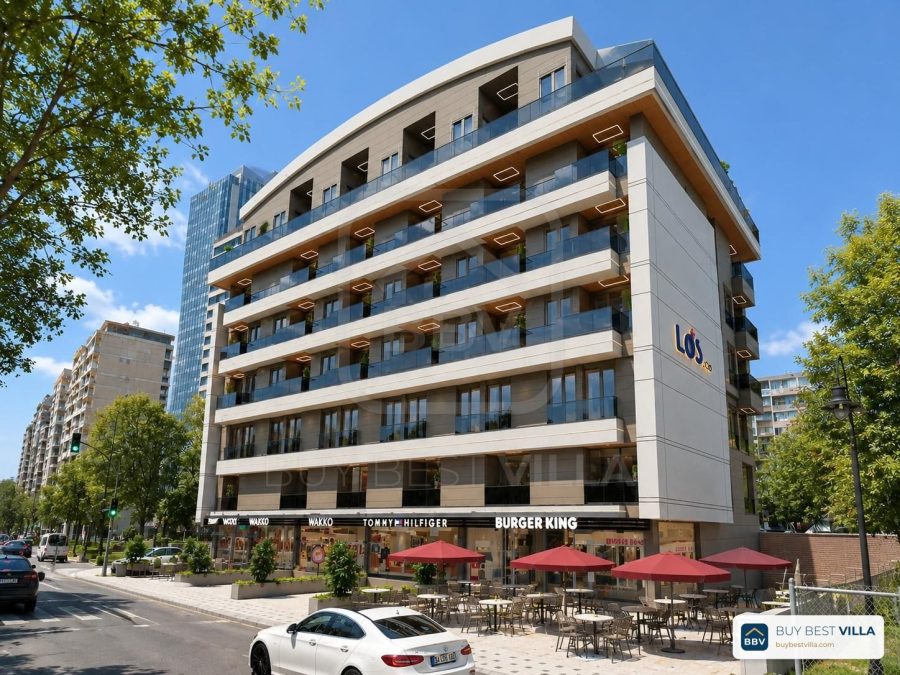
Los Tigres
A boutique development in Sarısu, Konyaaltı, with a pool and covered parking: 1+1 units usable as home or office, plus ground-floor and rooftop duplexes. Delivery August 2027.
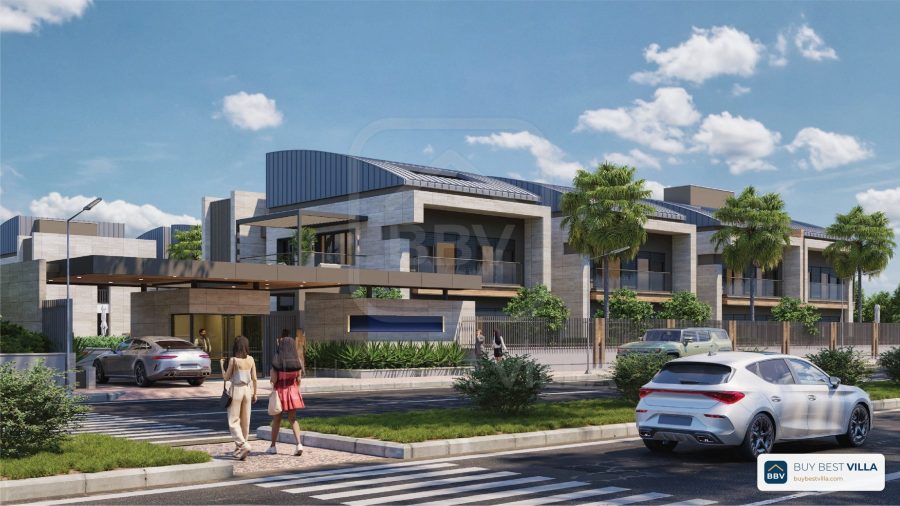
Coordinat 24
A boutique development of 2 blocks and 20 homes in Molla Yusuf, Konyaaltı: 2-bedroom garden flats and 3-bedroom duplexes with pool, gym, sauna and covered parking.
Pera New Life
A boutique project in Pınarbaşı, Konyaaltı: ground + 2 + duplex floors, 16 units — 2+1 and 3+1 reverse duplexes and 4+1 duplexes.