Neighbour Law in Turkey: Noise, Balcony Enclosures and Pets
We summarise the three most common neighbour problems in apartment blocks and complexes (noise, balcony enclosures and pets) under the Condominium Law and related rules, with your rights and the routes you can take.

One of the best things about living in an apartment block or residential complex is having neighbours, and one of the most frequent sources of trouble is also having neighbours. Late-night noise, an unapproved balcony enclosure, rubbish left on the stairs or a dog that barks all day can turn a small disagreement into a lawsuit lasting months. This guide covers the three most common issues, noise, balcony enclosures and pets, under the Condominium Law (Kat Mülkiyeti Kanunu, Law No. 634, or KMK) and related legislation. The aim is not to set neighbours against each other but to explain your rights and the practical routes calmly.
The basic principle of neighbour law
Article 18 of the KMK requires owners to follow the rules of good faith when using their units, annexes and shared areas, in particular not to disturb one another, not to infringe each other's rights and to comply with the management plan. Tenants and other occupants are bound by the same duty, and those who fail to meet it can be held liable together with the owners. The general prohibition of excessive interference in the Turkish Civil Code points the same way: when using your property rights, you cannot cause excessive harm to a neighbour.
The shared message of these principles is that you cannot use your right in a way that prevents others from using theirs. In each concrete case, courts look together at the circumstances, the intensity and duration of the nuisance and the character of the area.
Noise: when does it become a legal issue?
Everyday sounds such as walking, conversation and kitchen noise are considered normal. The problem arises with continuous, excessive noise, especially when it recurs during resting hours. Loud music, late-night renovation or repeated parties can fall into this category.
In general, the routes open to you are:
- Talk first. Most problems are solved with a polite word. A written, dated note can also help as proof later.
- Go to the manager. The management plan may contain quiet hours and conduct rules. The manager can issue a warning, and the owners' board can put the matter on its agenda. We explained how the board works in the owners' board and management plan.
- Use the official route. Article 36 of the Misdemeanours Law (Law No. 5326) provides an administrative fine for a person who causes noise disturbing others' peace and quiet; it is applied by police or municipal enforcement officers. Because the amount is updated every year, check the current figure with the relevant authority. In addition, persistent conduct aimed at disturbing others' peace may constitute an offence under the Turkish Penal Code, prosecuted on complaint.
- Go to court. Under Article 33 of the KMK, an owner harmed by another owner's or occupant's failure to meet obligations may apply to the civil court of peace. The court can set a deadline for ending the breach and, if needed, impose a fine.
Collecting evidence matters a great deal: a log with dates and times, warning correspondence, witness statements and police or municipal reports all make the process easier. When recording, respect people's private lives and collect evidence lawfully; ask a lawyer about this.

Photo: Robertgombos / CC BY-SA 4.0 — Wikimedia Commons
Enclosing a balcony
Glazed balconies are very common, especially in cities like Antalya with windy, rainy winters. But the balcony is part of the building's façade. Article 19 of the KMK requires the building's architectural character to be preserved and, for changes to common parts, the written consent of four-fifths of all owners. Courts can order permanent balcony enclosures built without consent to be removed. If an enclosure changes the approved architectural project, stricter assessment can be expected.
So before enclosing a balcony:
- Check whether the management plan has a rule on façades and balconies.
- Collect the written consent of the other owners; verbal consent creates proof problems.
- Ask the municipality whether a permit or notification is needed.
- Keep the façade consistent (colour, frame type, dimensions).
For a wider checklist, read which renovation works need management approval. If a neighbour has enclosed a balcony without permission, first notify the manager in writing; if that does not work, you may apply to the civil court of peace under Article 33.
Pets
Turkish law has no provision that generally bans keeping pets in apartments. A management plan, however, may set limits on keeping animals, and courts assess in each case whether the animal actually causes disturbance or harm and whether the ban is proportionate. A blanket "no pets" clause in a plan is therefore not automatically valid in every case, while concrete problems such as continuous barking, fouling of shared areas or aggressive behaviour are legitimate grounds for complaint.
As a pet owner your responsibilities include:
- keeping your animal under control in lifts and shared areas, using a lead where needed;
- keeping shared areas clean;
- taking steps to reduce noise (barking, meowing);
- knowing that you may be liable for damage your animal causes under the general rules.
As a neighbour, it makes sense to warn the owner politely first, then write to the management and, if needed, take legal action. The management has no power to remove an animal itself; interfering with an animal without a court order may be unlawful. Since the Animal Protection Law (No. 5199) also prohibits mistreatment of animals, violence must never be used.
For tenants it is similar: if the lease bans pets you must comply. If it says nothing, keeping a pet is not in itself grounds for eviction, but serious and continuing nuisance or damage may lead to an eviction dispute. For questions to ask when renting, see 10 questions to ask as a tenant.
Tips to resolve disputes without escalating
- Raise a noise, smell or behaviour problem politely in the first days; accumulated anger usually makes conflict worse.
- Keep written records, but write facts without accusing your neighbour.
- Ask for a board meeting to put shared rules (quiet hours, pets, renovation hours) into the management plan.
- Service-charge disputes are a separate matter; see who pays the aidat.
- Mediation or the manager's help is often quicker and cheaper than court.
If you are thinking of buying in Antalya, learning about the neighbourhood and the management plan before you buy is a wise step; visit our buying a home in Antalya page, and feel free to write to us with your questions.
You may also find our guides on home and contents insurance useful.
This content is for general information only and is not legal or financial advice. Please consult a specialist before making a decision.
Cover photo: Robot8A / CC BY-SA 4.0 — Wikimedia Commons
New-build projects for sale in Antalya
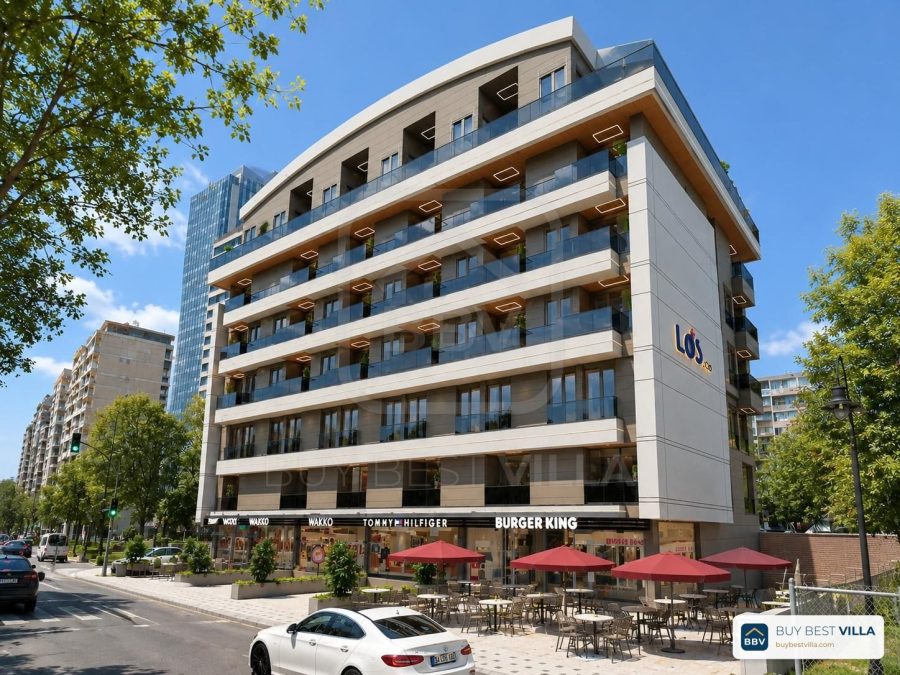
Los Tigres
A boutique development in Sarısu, Konyaaltı, with a pool and covered parking: 1+1 units usable as home or office, plus ground-floor and rooftop duplexes. Delivery August 2027.

Nefes Corner
A boutique corner-plot project with a pool garden and 44 units: ground + mezzanine duplexes, 1+1 and 2+1 flats and roof duplexes.
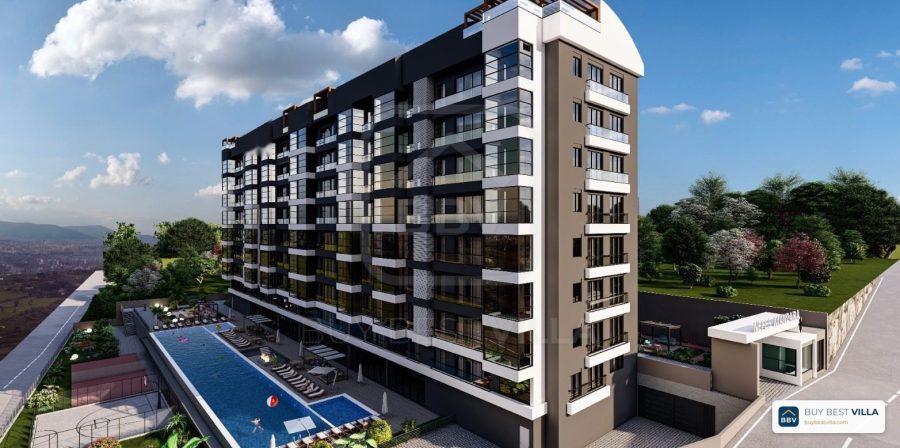
Nefes Premium
A three-block, 56-unit residence in Kepez with a 350 m² pool, tennis court, jogging track, garden duplexes and penthouse duplexes with private pools. From 2+1 to 4+1.