Renovating a Flat: Which Works Need Approval from the Building or Site Management
Before you start renovating, find out which jobs need the consent of other owners or the management under Turkey's Condominium Law, and which you can do on your own.

When people plan a renovation, they usually think first about the contractor, the schedule and the budget. If you live in an apartment block or a residential complex, though, part of what you do affects not only you but everyone in the building. Replacing a kitchen and glazing a balcony are not the same kind of job: the first usually stays entirely inside your own unit, while the second changes the look of the building and touches shared areas. This guide explains, in plain language and within the logic of the Condominium Law (Kat Mülkiyeti Kanunu, Law No. 634, or KMK), when you need approval before you start.
The basic rule: your unit is free, shared areas and the whole building are limited
Article 18 of the KMK requires owners to act in good faith when using their units, annexes and shared areas, and in particular not to disturb one another or infringe on each other's rights. Tenants and other occupants are bound by the same duty. In practice, work that stays inside your unit and does not touch the structure, the shared installations or the exterior can usually be done on your own. Once the work reaches the shared parts, the structural elements or the façade, the consent of the other owners comes into play.
Article 19 makes it everyone's duty to protect the maintenance, architectural appearance, beauty and soundness of the building. It also requires the written consent of four-fifths of all owners for construction, repair and alterations in the shared parts. Courts tend to apply this framework to balcony enclosures, façade changes and permanent additions to common areas.
Works that generally do not need approval
As long as they stay inside the unit and do not affect the building as a whole, the following usually need no decision of the owners' board:
- Painting, plastering and replacing floor coverings
- Replacing kitchen and bathroom cabinets, fittings and tiles
- Non-load-bearing interior partitions (an engineer's opinion is still wise)
- Renewing electrical and plumbing work inside the flat, provided shared risers are not touched
- Decorative work such as doors, lighting and built-in wardrobes
The key phrase is "as long as the building as a whole is not affected". Before you remove a wall, find out whether it is load-bearing. For a general view on structural safety, see our article on earthquake safety when buying a building in Antalya.
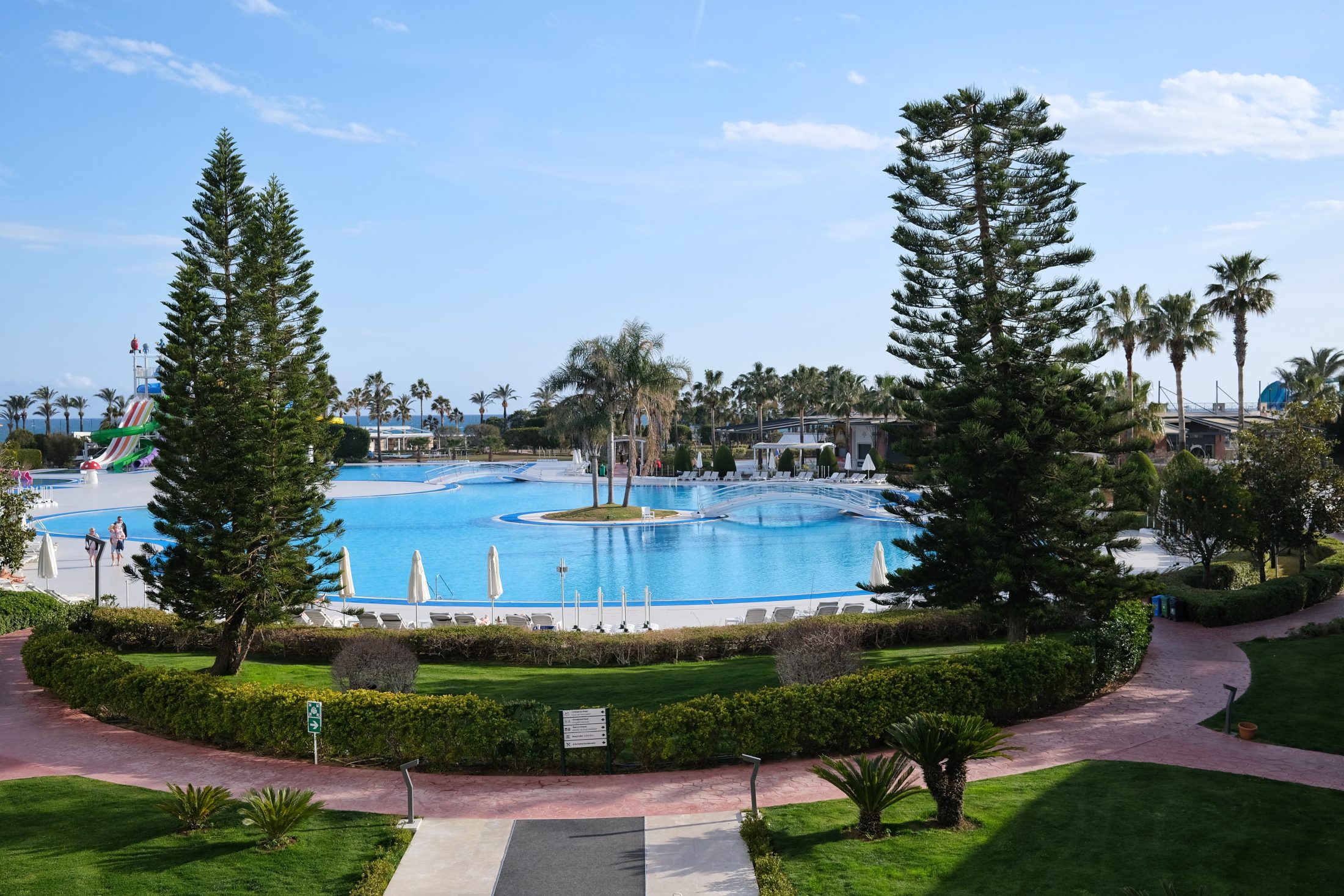
Photo: Jörg Fuhrmann (Intermerker) / CC BY-SA 4.0 — Wikimedia Commons
Works that need the owners' or management's approval
Façade and balcony
Enclosing a balcony with glass or PVC, changing the façade colour, or adding awnings, grilles or outdoor units alters the building's appearance. Many management plans contain detailed rules on this. Where the plan is silent, courts generally treat the façade as a shared area and require the written consent of four-fifths of all owners. An enclosure that is not in the approved project may be judged even more strictly because it changes the architectural project. So read the management plan first and collect written consent from your neighbours.
Air-conditioner outdoor units and satellite dishes
The place for outdoor units is often set in the management plan. If there is none, the same logic applies because you are using the façade and common space. Noise and dripping that bother neighbours can also cause problems under Article 18.
Structural elements, columns and beams
Columns, beams, shear walls and slabs are shared parts of the building. Interfering with them is not just a permission issue but a life-safety issue. If you are considering such work, ask the relevant municipality and do not start without a qualified engineer's report. Alterations that weaken the building can lead to action by the owners' board and the courts.
Shared installations, roof, basement and garden
Connecting to shared risers, moving a rainwater pipe, adding a structure to the roof or basement, or putting a permanent structure in the garden are changes to common parts. For improvements that make common parts easier to use, Article 42 refers to a decision by a majority of owners by number and by share of land, with the cost borne by those who benefit, in proportion to the benefit. Since the required majority depends on the nature of the work, it is best to check the management plan and get a lawyer's view.
Official permits and the municipality
The owners' consent does not replace the municipality's permission. Some works need only a notification, others a permit; the safest way is to ask the planning department of your municipality. Unauthorised changes can cause trouble not only with neighbours but also later in sales, occupancy certificates and loan procedures. To learn more about the occupancy permit, see what the iskan (occupancy permit) is.
How to get approval: practical steps
- Read the management plan. The date of the plan appears in the declarations section of the title deed; you can get the plan from the manager or the land registry.
- Talk to the manager. Article 35 gives the manager the duty to protect the building and carry out the board's decisions; tell the manager in writing what you plan.
- Ask for a meeting if needed. The owners' board meets at least once a year; an extraordinary meeting can be requested by the manager, an auditor or one-third of the owners.
- Collect written consent. Signatures should come with a date and a description of the work. Verbal approval creates proof problems later.
- Clarify the project and responsibility. Get in writing that your contractor will work under insurance and warranty.
A decision can be challenged by a neighbour who did not attend or voted against. Under Article 33, an annulment action can be filed with the civil court of peace within limited periods, so it matters that decisions are recorded in the notarised decision book.
If you are a tenant
Any permanent change you make as a tenant needs first the landlord's permission and, where relevant, the management's. Clauses in the lease such as "no alterations to the property" are binding, and even small jobs like painting may be limited. Since you may be asked to restore the flat when you leave, document its starting condition; our article on the handover record and inventory list may help.
Costs, fees and neighbourliness
Costs that reflect on shared parts are, unless otherwise agreed, shared by land share under Article 20, but neighbours cannot be expected to pay for work done solely for your benefit. For who pays shared costs, see who pays the building fee (aidat). Informing neighbours in advance about protection of lifts and stairs, rubble removal hours and noise prevents most disputes. If you are also planning the move, our moving-day checklist will help.
In short
- Work that stays inside the unit and does not affect the whole building is generally free.
- Works touching the façade, balcony, shared areas and structural elements raise the question of owners' consent (in many cases four-fifths written consent) and the municipality.
- Read the management plan first, get written consent, and only then start.
- If you rent, the landlord's written permission is essential.
If you are thinking of buying in Antalya, you can also visit our buying a home in Antalya page, and feel free to write to us with your questions.
You may also find our guides on the owners' board and management plan and neighbour law in Turkey useful.
This content is for general information only and is not legal or financial advice. Please consult a specialist before making a decision.
Cover photo: Maurice Flesier / CC BY-SA 4.0 — Wikimedia Commons
New-build projects for sale in Antalya
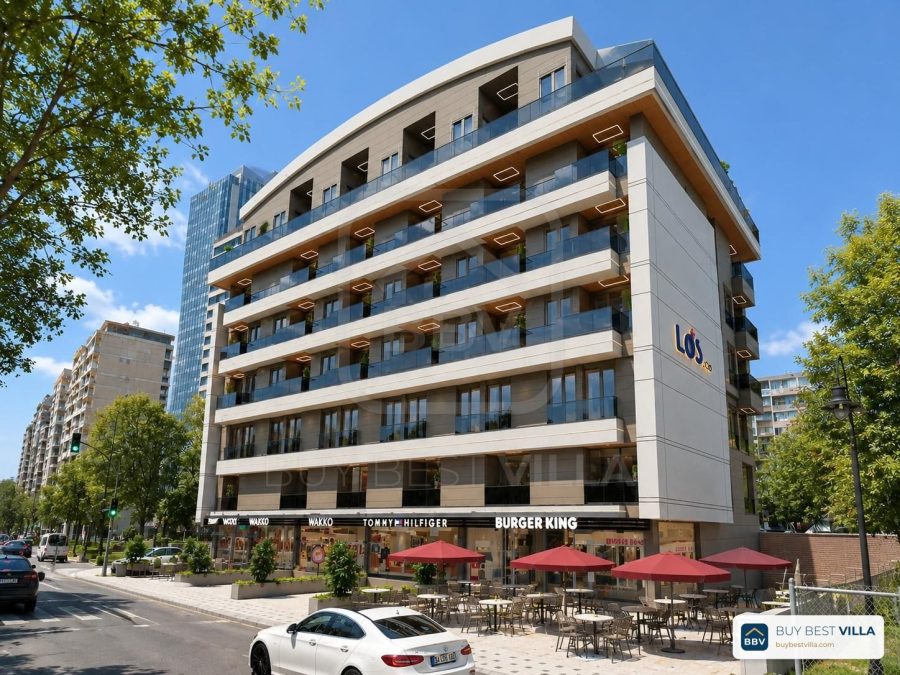
Los Tigres
A boutique development in Sarısu, Konyaaltı, with a pool and covered parking: 1+1 units usable as home or office, plus ground-floor and rooftop duplexes. Delivery August 2027.

Nefes Corner
A boutique corner-plot project with a pool garden and 44 units: ground + mezzanine duplexes, 1+1 and 2+1 flats and roof duplexes.
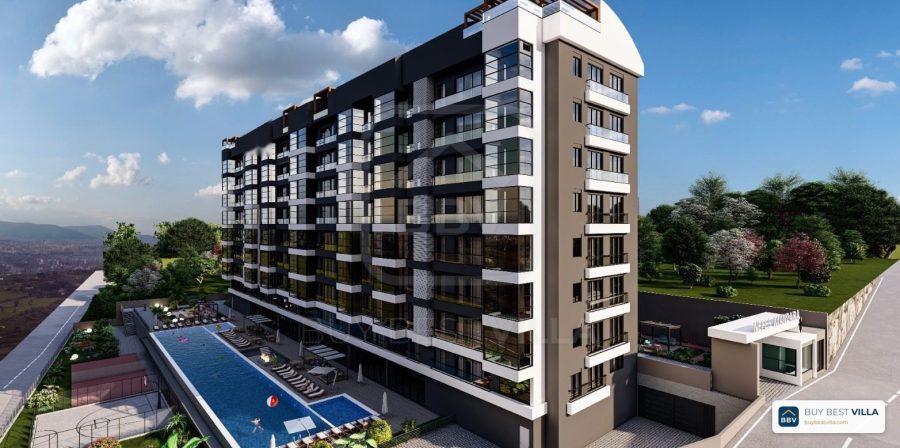
Nefes Premium
A three-block, 56-unit residence in Kepez with a 350 m² pool, tennis court, jogging track, garden duplexes and penthouse duplexes with private pools. From 2+1 to 4+1.