Home Insurance and Contents Insurance in Turkey: How They Differ from DASK
DASK only covers earthquake damage to the building itself; fire, flooding, theft and your belongings need a separate home or contents policy. Here are the differences and what to check when choosing a policy.
When buying or renting a home, insurance is often the item remembered last. You may know that a DASK policy is asked for at the land registry, but thinking "my home has DASK, so I am insured" is a common mistake. As the name suggests, DASK protects against one specific risk. Everyday risks such as fire, flooding, theft, broken glass or damage to your belongings are outside DASK. This article explains in plain terms how DASK differs from home insurance and contents insurance, who should take out what, and what to look for when choosing a policy.
What is DASK and what does it cover?
DASK (Natural Catastrophe Insurance Pool, Doğal Afet Sigortaları Kurumu) runs the compulsory earthquake insurance under the Catastrophe Insurance Law (Law No. 6305). Compulsory earthquake insurance is, as a rule, required for residential buildings within municipal boundaries. Its scope is limited: besides the direct material damage an earthquake causes to the building, consequences of the earthquake such as fire, explosion, tsunami and landslide are covered. DASK also insures only the building, meaning structural parts such as walls, foundation, ceilings and floors, and not the contents.
Other points to note about DASK:
- The policy is annual and must be renewed each year. If it is not renewed after expiry, damage during the gap is not covered.
- There is an upper limit on the cover amount, and it is updated. Check the official DASK website for the current figure.
- Depending on the policy conditions, a deductible may apply to a claim.
- A DASK policy is requested for land registry transactions. You can see how this matters in the transfer in what happens on title deed day.
For details, read what DASK is and what to know when buying. For general checks on building safety and earthquake risk, our earthquake safety guide for buyers in Antalya will help.
What is home insurance?
Home insurance (also called fire insurance or a home package policy) is an optional product sold by private insurers. At its core it covers fire, lightning and explosion; depending on the breadth of the package it can add risks such as flooding and plumbing damage, theft, broken glass, storm and hail, and even liability cover for damage you may cause to neighbours. Which risks are included varies from policy to policy, so always read the general conditions and the cover table.
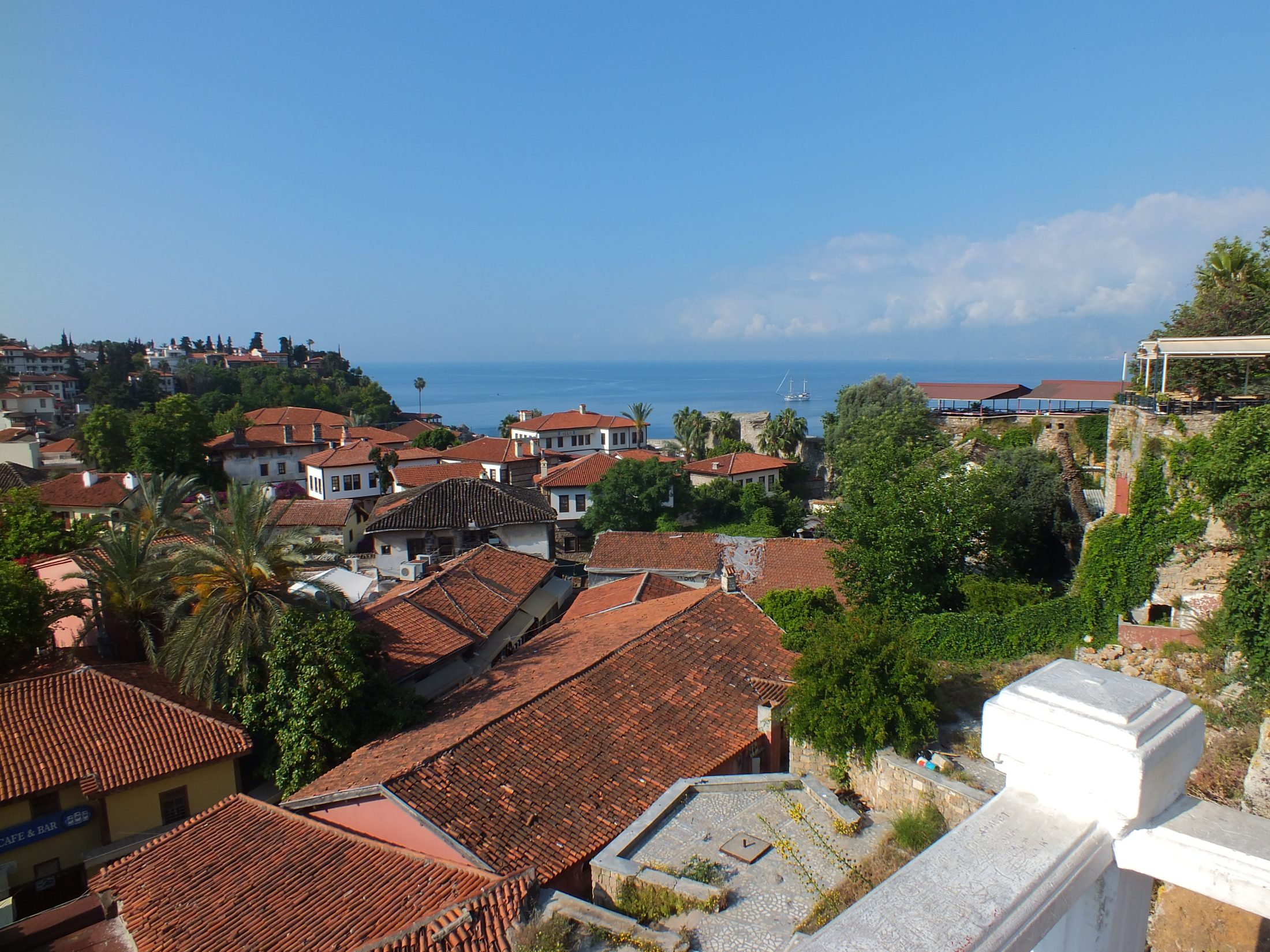
Photo: Cobija / CC0 — Wikimedia Commons
What does contents insurance do?
Contents insurance protects the furniture, appliances, electronics and personal belongings inside the home against risks such as fire, water damage and theft. It is often sold as part of a home insurance package; sometimes there are tenant policies that cover only contents. Because DASK does not cover contents, earthquake damage to belongings is not paid by DASK but by your own policy if it includes earthquake cover.
DASK versus home insurance: comparison
| Topic | DASK | Home / contents insurance |
|---|---|---|
| Obligation | Compulsory for residential buildings within municipal boundaries | Optional (a bank may require fire insurance if you take a loan) |
| Scope | Earthquake damage to the building, earthquake-related fire, explosion, tsunami, landslide | Fire, flood, theft, broken glass, storm etc. (depending on package) |
| What is insured | The building only | Building and/or contents |
| Who takes it out | The owner (or holder of usufruct) | Owner or tenant |
| Cover limit | Set by the institution, updated | Set by contract |
| Provider | DASK (single institution) | Private insurers |
As the table shows, the two products do not replace each other; they complement each other. If DASK's upper limit falls below the rebuilding cost, a home policy with extra earthquake cover may help close the gap.
Who should take out what?
Homeowner: DASK is compulsory. In addition, a home policy (with fire, water and theft cover) can protect against other damage to the building. Even if a tenant lives there, the building is the owner's responsibility.
Tenant: The building's DASK belongs to the landlord. A tenant can consider contents insurance to protect their own belongings, and liability cover for damage that might be caused to the rented home can matter as well. For the lease, handover record and responsibilities, see the handover record and inventory list.
Mortgage borrowers: Banks usually require fire insurance and DASK; the steps for applying are in applying for a home loan in Türkiye.
Owners of holiday or investment homes: If the home is empty for long periods the risk of flooding and theft rises; watch the "unoccupied property" conditions in the policy. For precautions when leaving a home empty, read leaving a home empty.
What to check when choosing a policy
- Sum insured: For the building it should reflect the rebuilding value; for contents, the real value. A low sum can lead to underpayment on a claim.
- Cover list: Check in writing which risks are included and which are excluded.
- Deductible: Find out whether you will bear the first part of any loss.
- Exclusions: Empty homes, lack of maintenance and intentional acts may be limited in policies.
- Claims process: Learn whom to notify and how quickly; keep photos and invoices.
- Inventory: Keeping photos and receipts of valuables makes proof easier after a loss.
- Renewal date: Put both DASK and the home policy in your calendar.
Common mistakes
- Thinking "I have DASK, so everything is insured"
- Not renewing a policy after it expires
- Understating the value of belongings to save premium
- Considering contents insurance unnecessary as a tenant
- Approving a policy without reading the cover table
For the subscriptions and insurance records to sort out in the first days after purchase, you will find a checklist in the first 30 days after the title deed. For other ownership costs, see the real yearly costs of owning a home in Antalya.
If you are thinking of buying in Antalya, visit our buying a home in Antalya page, and feel free to write to us with your questions.
You may also find our guides on reading encumbrances on a title deed and the moving-day checklist useful.
This content is for general information only and is not legal or financial advice. Please consult a specialist before making a decision.
Cover photo: Maksym Kozlenko / CC BY-SA 4.0 — Wikimedia Commons
New-build projects for sale in Antalya
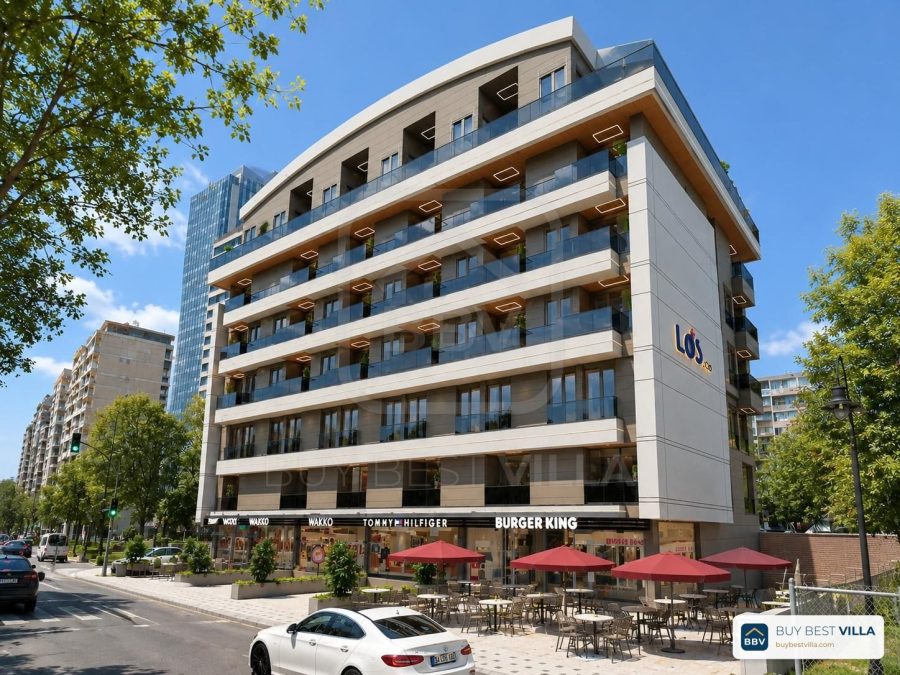
Los Tigres
A boutique development in Sarısu, Konyaaltı, with a pool and covered parking: 1+1 units usable as home or office, plus ground-floor and rooftop duplexes. Delivery August 2027.
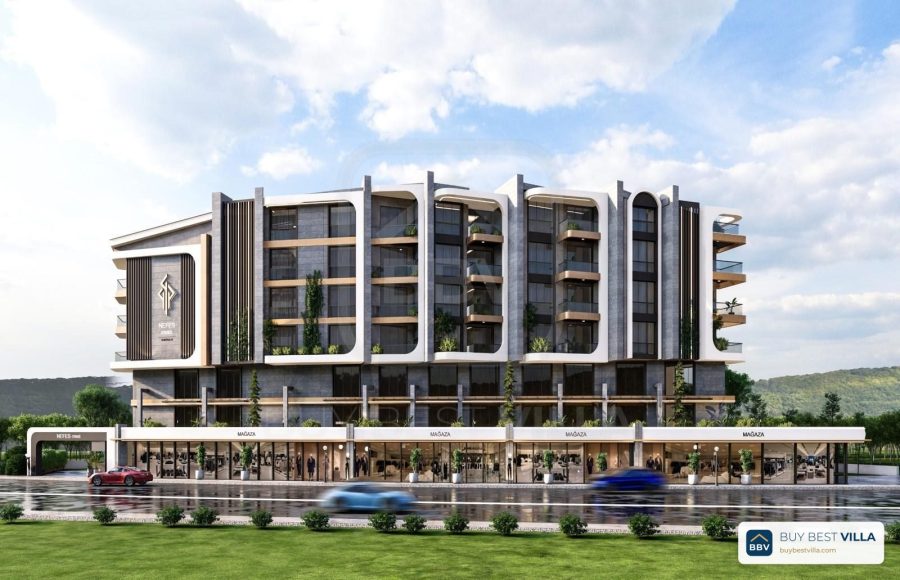
Nefes Corner
A boutique corner-plot project with a pool garden and 44 units: ground + mezzanine duplexes, 1+1 and 2+1 flats and roof duplexes.
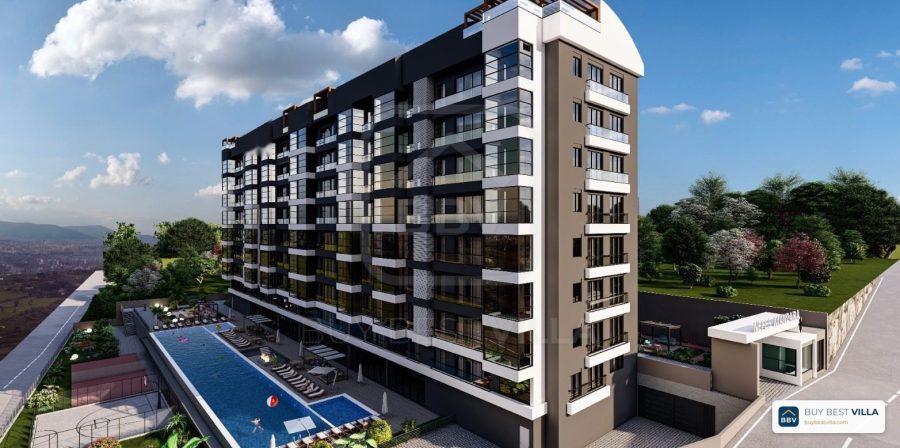
Nefes Premium
A three-block, 56-unit residence in Kepez with a 350 m² pool, tennis court, jogging track, garden duplexes and penthouse duplexes with private pools. From 2+1 to 4+1.