Documents Needed to Buy a Home in Türkiye: Citizen and Foreign Buyer Checklist
Which documents does a title deed sale require? A checklist of ID, DASK, valuation report and power of attorney for Turkish and foreign buyers.
Short answer: For a sale at the land registry you need ID documents for every party, recent photos, a DASK policy for buildings and the property tax value records in order. A foreign buyer adds a passport, a translation or interpreter when needed, and a valuation report from an SPK-licensed company.
The most common cause of a wasted title deed day is a missing document: the appointment is cancelled, a power of attorney has to be reissued, or someone must travel twice. This guide lists what to prepare before going to the land registry, separately for Turkish citizens and foreign buyers. It is based on the Q&A published by the General Directorate of Land Registry and Cadastre (TKGM) and on official guides for foreign buyers. Practice can differ slightly between registry offices, so confirm details with the office where you book.
Core documents for every buyer and seller
TKGM's list for sales highlights:
- Identity document: for all parties and their representatives. A Turkish ID card for citizens; a passport or national ID for foreigners.
- Proof of representation: a power of attorney or guardianship decision if someone acts on a party's behalf. The principal's recent passport-style photo should appear on the power of attorney, sealed.
- DASK policy: compulsory earthquake insurance for buildings. See our article on DASK.
- Property tax value: the property tax value must have been sent electronically and in full to the registry before 1 January each year. The title deed fee is calculated on the declared sale value, which cannot be lower than the declared tax value.
- Photos: registry offices commonly ask for recent passport-style photos; confirm the number and size with your office.
- Fees: title deed fee and service charges are paid at the office. Amounts change, so we do not quote figures; see what happens on title deed day for the flow.
Photo: Maksym Kozlenko / CC BY-SA 4.0 — Wikimedia Commons
Checklist for a Turkish citizen
- Valid ID card (original).
- A recent passport-style photo.
- A valid DASK policy for the building.
- If sending an agent: a notarised power of attorney and the agent's ID.
- If using a mortgage: the bank's valuation and lien process; see how to apply for a home loan in Türkiye.
Check the title record on e-Devlet first. Mortgages, seizures and annotations show up there; our guide to checking TAKBİS through e-Devlet explains how.
Extra documents for a foreign buyer
- Passport or national ID. If it is written in a non-Latin alphabet, the registry may ask for a Turkish translation; documents in the Latin alphabet need none.
- Sworn interpreter: if a party does not speak Turkish, the transaction goes through an interpreter.
- Valuation report: in sales where a foreigner is a party, a report from a company authorised by the Capital Markets Board (SPK) is required. See our valuation report guide (Turkish) and ekspertiz article.
- Power of attorney: abroad, you can have one made at a Turkish consulate or, in a Hague Apostille country, an apostilled document with a Turkish translation. See buying from abroad with a power of attorney.
Official guides for foreigners also remind buyers of the framework: a residence permit is not required to acquire property; an individual foreigner may acquire up to 30 hectares nationwide; acquisitions cannot exceed ten percent of a district's area; and the property must not be in a military prohibited or security zone. Flat and villa buyers rarely meet these limits, but land buyers must check them. Foreign legal entities are subject to separate rules. Our step-by-step guide for foreign buyers covers the wider process.
Preparation order
- Check the property: title record, occupancy permit, mortgage and seizure status (see our occupancy permit article in Turkish).
- Fix the sale price and declared value.
- Start DASK and valuation early, especially as a foreign buyer.
- Prepare originals and copies: translations and apostilles can take days.
- Book the appointment through TKGM's online system or the ALO 181 line.
- Budget the costs with the yearly cost of owning a home.
Who brings what?
Confusion on the day often comes from "I thought you were bringing that". A general split (confirm specifics with the registry office and the other party):
- The seller prepares the property details (block, parcel, unit), the DASK policy and the property tax records.
- The buyer prepares ID, photos and the payment plan; a foreign buyer also starts the valuation report and translation.
- Either side using an agent should have the power of attorney checked in advance.
Settling dues such as service charges and utility debts before the sale, and planning the transfer of subscriptions, is good practice; see our first 30 days after the deed article (in Turkish).
Frequent mistakes
- An expired passport, or a name spelled differently from the registry record.
- A power of attorney missing the photo, seal or translation.
- An expired DASK policy or building details that do not match the registry.
- An outdated property tax value, which holds the transaction up.
- Assuming a notarised sale promise transfers ownership. Ownership passes only through an official deed and registration at the land registry.
Conclusion
The list looks short, but one missing item can cost you the appointment. Finish ID, photos, DASK, tax value and, for foreign buyers, the valuation report, translation and power of attorney at least a week ahead. For the broader picture see our guide to buying a home in Antalya, instalment home ownership and current projects. Feel free to write to us with questions.
This content is for general information only and is not legal or financial advice. Please consult a professional before making a decision.
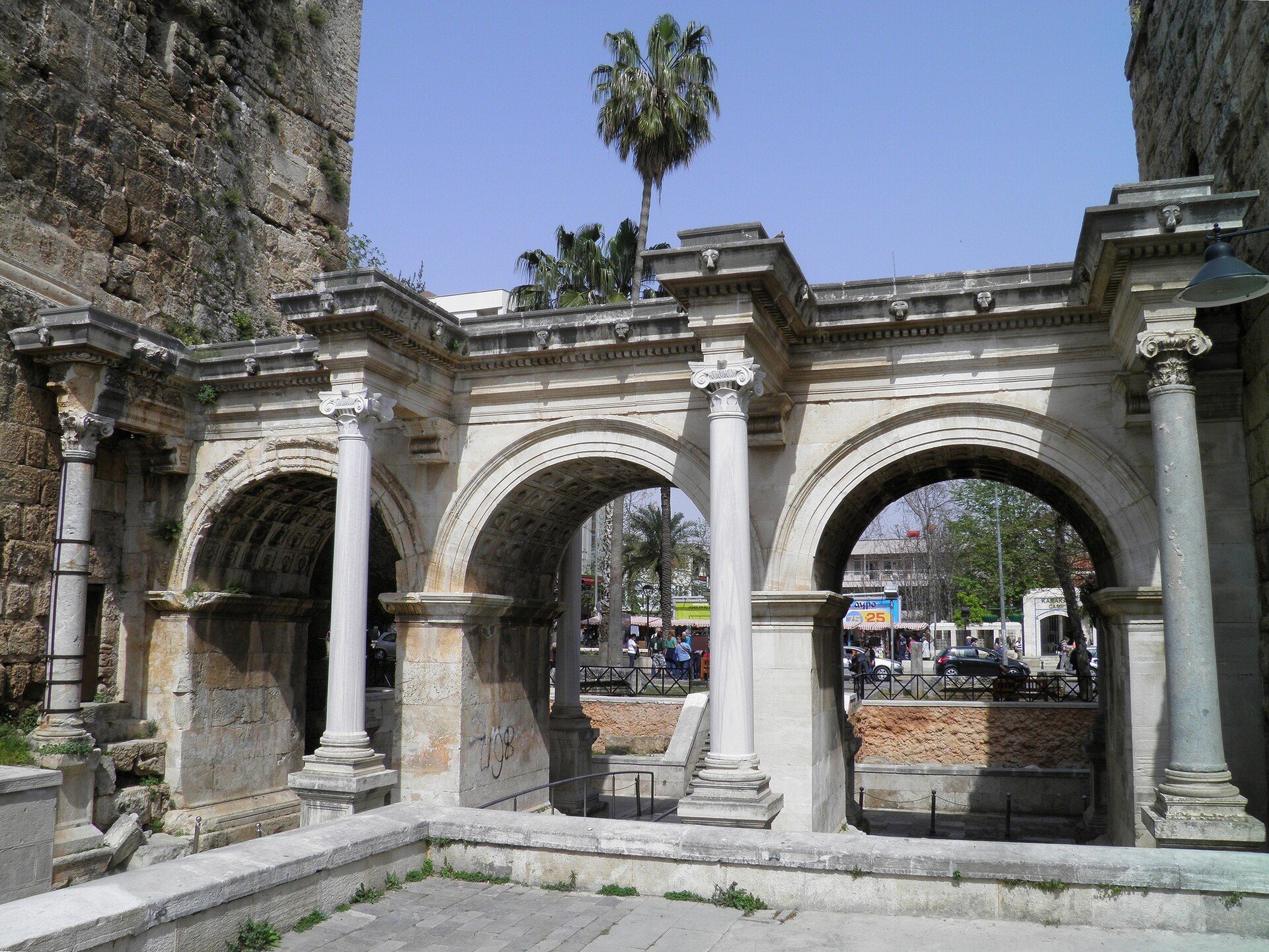
Cover photo: FollowingHadrian / CC BY-SA 4.0 / Wikimedia Commons
New-build projects for sale in Antalya
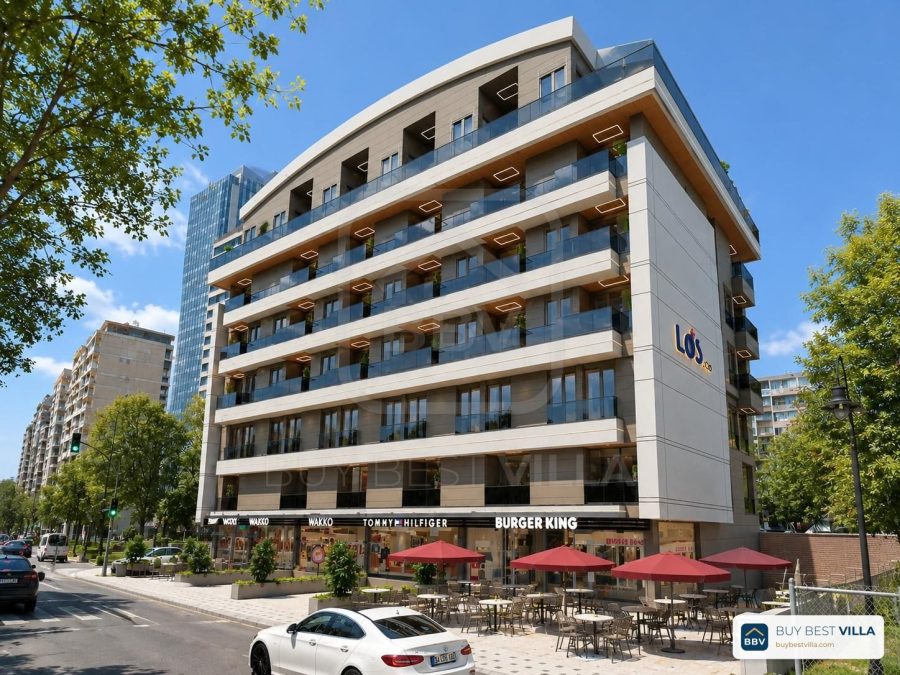
Los Tigres
A boutique development in Sarısu, Konyaaltı, with a pool and covered parking: 1+1 units usable as home or office, plus ground-floor and rooftop duplexes. Delivery August 2027.
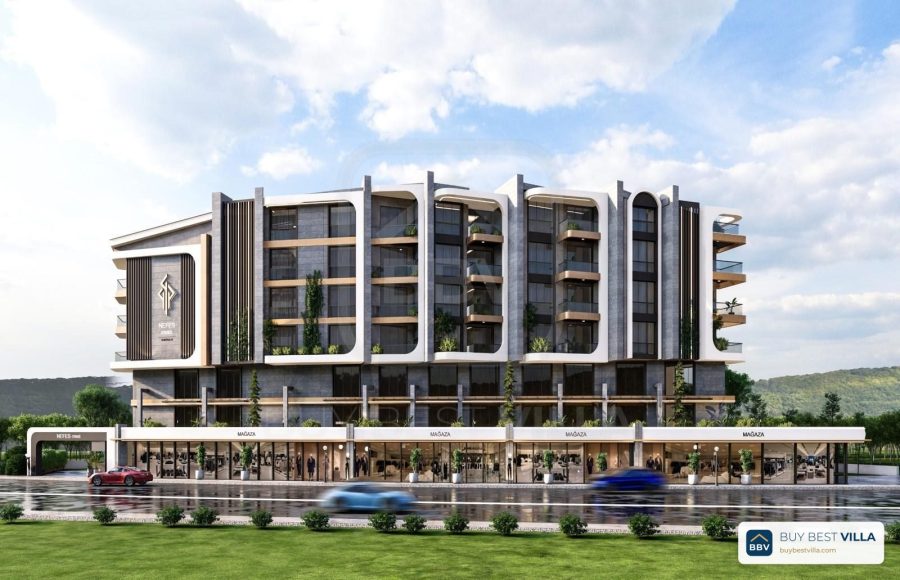
Nefes Corner
A boutique corner-plot project with a pool garden and 44 units: ground + mezzanine duplexes, 1+1 and 2+1 flats and roof duplexes.
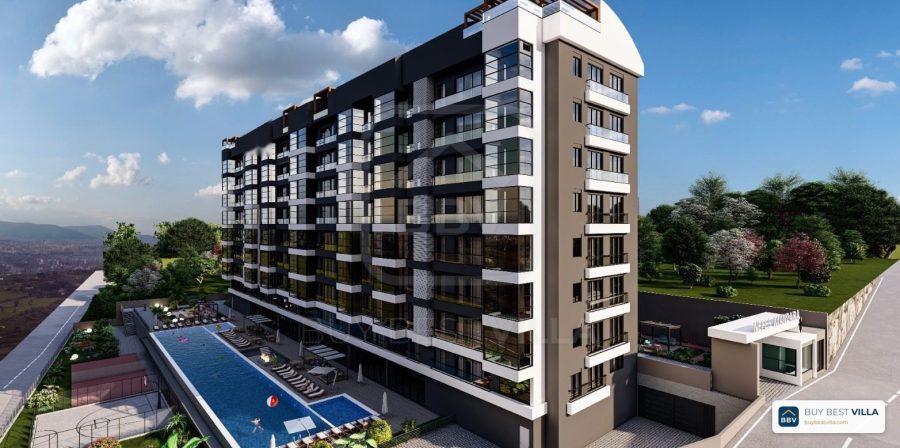
Nefes Premium
A three-block, 56-unit residence in Kepez with a 350 m² pool, tennis court, jogging track, garden duplexes and penthouse duplexes with private pools. From 2+1 to 4+1.