How to Read Encumbrances (Takyidat) on a Turkish Title Deed: Annotations, Attachments and Mortgages
The takyidat section of a title deed lists restrictions such as annotations, declarations, attachments and mortgages. Here is how to read these entries before buying and which ones create risk.
You like a home and agree on the price; when it comes to the land registry, the seller says "the title is clean". But what does a clean title mean? That the record contains no annotation, attachment or mortgage at all, or that none of them will cause the buyer a problem? The set of restrictions on a title deed is commonly called "takyidat" in Turkish. Being able to read it lets you see most of the major risks of a purchase right at the start. This article explains the sections of the title record, the common types of entry and the routes open to buyers and sellers.
What is takyidat?
Takyidat is the general name for the entries on a property's title record that restrict the owner's rights, burden the property or show the rights of third parties. A property with takyidat can be bought, but never without a risk analysis. Some entries are purely informational; others directly affect the property's sale, use or value.
To see the record, you can query title deed information through e-Devlet; for the steps see checking title deed information through TAKBİS. Obtaining the current record at the land registry on the day of the transaction is also important, because entries can change even within a day.
The three main sections of the record
Looking at one section is not enough. Entries are generally grouped under three main headings:
- Annotations (şerhler): entries in favour of a right holder or restricting the owner's power of disposal. Annotations of personal rights (lease, purchase, pre-emption, repurchase, promise of sale), entries restricting disposal (for example an attachment or injunction) and provisional registrations belong here. Articles 1009, 1010 and 1011 of the Civil Code regulate these.
- Declarations (beyanlar): entries that are usually informational. The management plan, annexes, restrictions arising from zoning and public law, the family-home notation and the risky-structure record are here. Most do not create a right directly, but they warn the buyer.
- Pledges (mortgage): the property is shown as security for a debt. Easements such as usufruct, right of way and building rights are shown separately in the record.
Which heading an entry appears under can depend on its type; what matters is to read every section and ask about each line you do not understand.

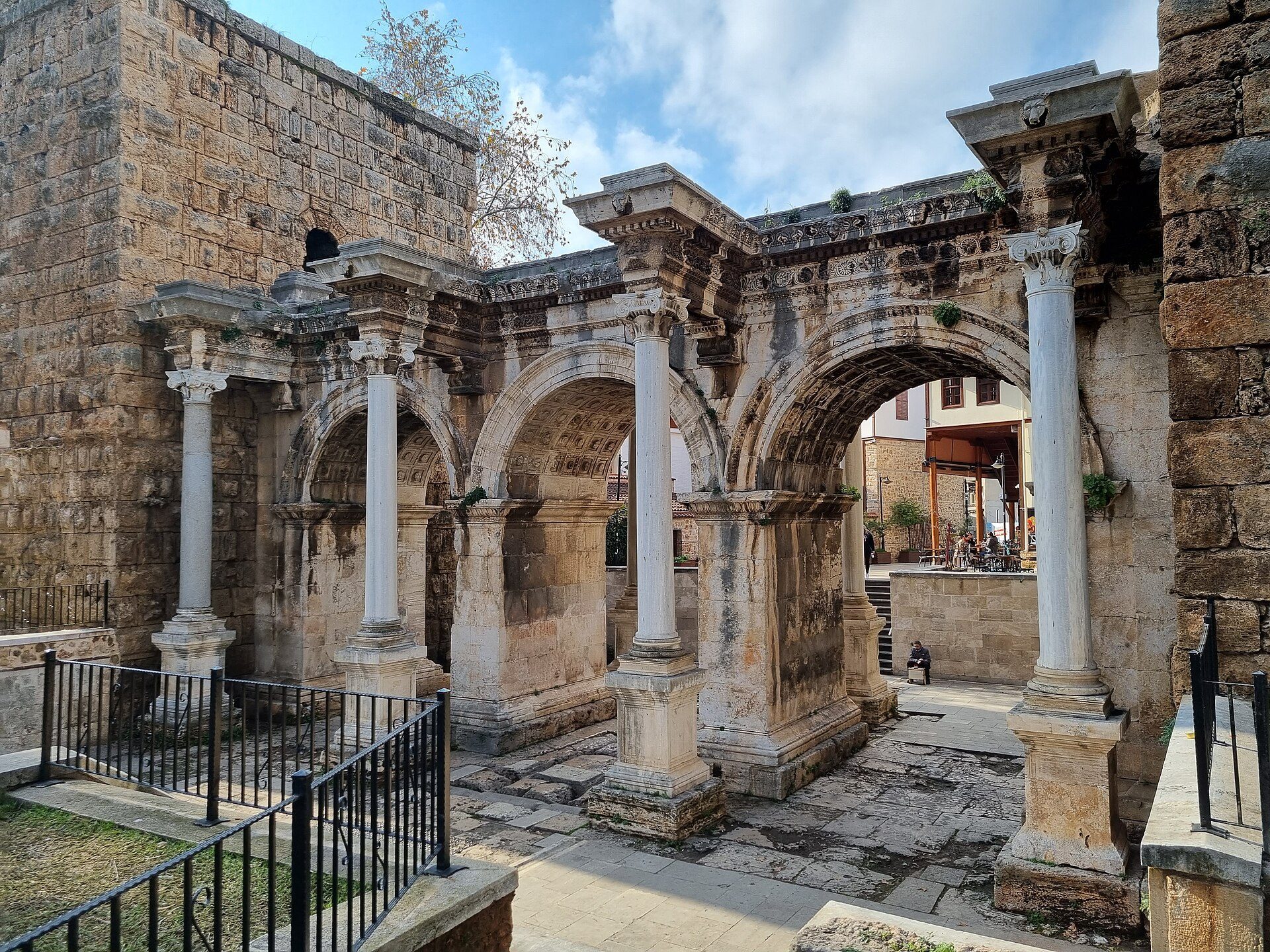
Photo: Ozgurmulazimoglu / CC BY-SA 3.0 — Wikimedia Commons
The most common types of entry
Mortgage
A mortgage (ipotek) is the property pledged as security for a debt, most often because of a home loan. A mortgaged property can be sold, but the mortgage is not removed until the debt is paid. A buyer has two routes: the seller pays the bank out of the sale price and the bank notifies the land registry to cancel the mortgage; or the buyer takes over the mortgage and continues the loan in their own name (with the bank's approval). Getting the outstanding balance from the bank in writing and completing the cancellation on the same day is the soundest method. If the buyer is taking a loan, see applying for a home loan in Türkiye.
Attachment (haciz)
An attachment is a restriction a creditor has placed on the property through enforcement proceedings. If you buy an attached property, you take it together with the attachment, and the creditor may request a sale. Under the Enforcement and Bankruptcy Law, the creditor must request a sale of attached real estate within a set period (as a rule one year), but it is wrong to buy an attached home counting on that. Before the sale, the debt must be paid into the enforcement file and a letter confirming the lifting of the attachment must reach the land registry.
Lease annotation
This protects the tenant's right against third parties. A sale does not automatically end the tenant's rights; if you expect vacant possession, the lease annotation and the tenant's situation must be clarified in advance. For tips on selling a let property, read can a let flat be sold.
Promise-of-sale, purchase, pre-emption and repurchase annotations
These entries show that another person's right to buy or to buy first is protected. For a buyer they carry high risk, because while the entry stands someone else may have a superior right. Pay attention to the date, duration and beneficiary of each entry.
Family-home notation
For the sale or mortgaging of a home with a family-home notation, the express consent of the other spouse is required (Civil Code Art. 194). Without consent the transaction may be invalid. So if the register shows a family-home notation, obtain the spouse's consent before a notary or at the registry.
Management plan, condominium easement and other declarations
The declarations section shows the date of the management plan. The plan sets the rules of how the complex works; read it to avoid surprises. A property with a "kat irtifakı" (floor easement) may show that the building has not yet moved to full condominium ownership and may not yet have an occupancy permit, so our articles on the difference between kat irtifakı and kat mülkiyeti and what the iskan certificate is are important background reading.
Checklist for buyers
- Ask for the current title record with takyidat on the day of the transaction.
- Read all three sections (annotations, declarations, pledges/easements) one by one.
- Ask about the date, beneficiary and basis of each line.
- Get the outstanding balance in writing from the bank or enforcement file for mortgages and attachments.
- Do not pay the full price before the cancellation is completed; in the contract state the seller's duty to clear it and a mechanism to retain part of the price.
- If there is a family-home notation, document the spouse's consent.
- For off-plan flats, review the promise of sale, mortgage and floor easement separately; see 10 checks when buying off-plan.
Notes for sellers
If you are selling, view the takyidat yourself before you list. Planning in advance the sale of an attached, mortgaged or annotated property builds trust and speeds up the process. If an annotation has lost its basis, you may need a cancellation letter from the beneficiary or, if necessary, a court application.
The transaction day and afterwards
After the takyidat check, we describe how the day at the land registry unfolds in what happens on title deed day. The subscription and tax records to arrange after purchase are listed in the first 30 days after the title deed. To learn about deed types, see Turkish title deed types.
If you are thinking of buying in Antalya, visit our buying a home in Antalya page, and feel free to write to us with your questions.
You may also find our guides on home and contents insurance and the owners' board and management plan useful.
This content is for general information only and is not legal or financial advice. Please consult a specialist before making a decision.
Cover photo: Maksym Kozlenko / CC BY-SA 4.0 — Wikimedia Commons
New-build projects for sale in Antalya
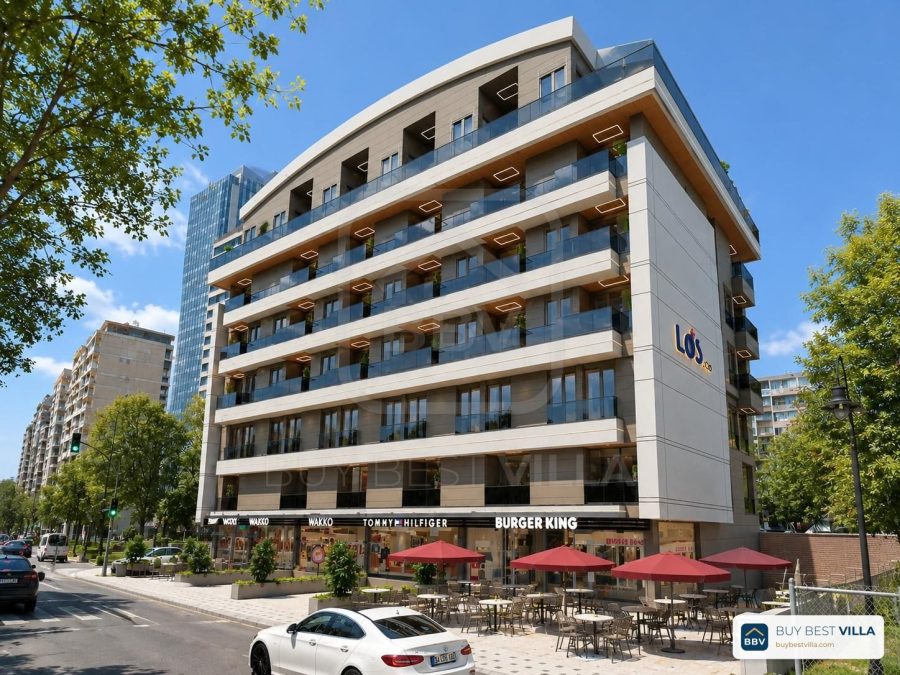
Los Tigres
A boutique development in Sarısu, Konyaaltı, with a pool and covered parking: 1+1 units usable as home or office, plus ground-floor and rooftop duplexes. Delivery August 2027.

Nefes Corner
A boutique corner-plot project with a pool garden and 44 units: ground + mezzanine duplexes, 1+1 and 2+1 flats and roof duplexes.

Nefes Premium
A three-block, 56-unit residence in Kepez with a 350 m² pool, tennis court, jogging track, garden duplexes and penthouse duplexes with private pools. From 2+1 to 4+1.